



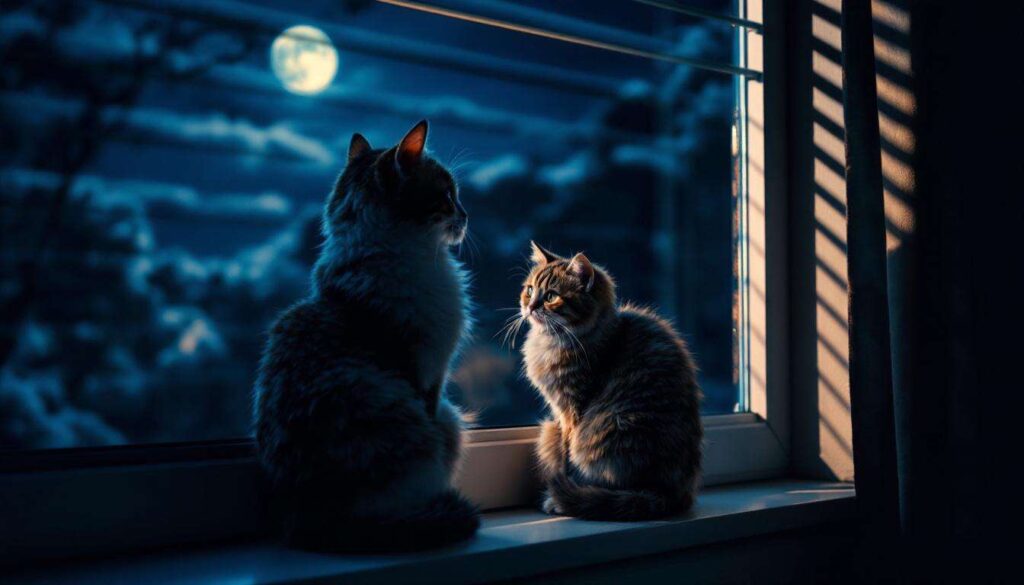
Cat owners often find themselves awakened by persistent meowing in the middle of the night, a behavior that can disrupt household sleep patterns and create stress for both humans and felines. Understanding why cats vocalize during nighttime hours requires examining their natural instincts, environmental factors, and physical needs. Domestic cats retain many behaviors from their wild ancestors, including crepuscular activity patterns that make them most active during dawn and dusk. When these instincts clash with human sleep schedules, nighttime meowing becomes a common challenge that requires patience and strategic intervention to resolve effectively.
Reasons for nighttime meowing in cats
Natural hunting instincts and activity cycles
Cats are biologically programmed to be most active during twilight hours when their prey would naturally be moving. This crepuscular nature means your cat experiences energy surges precisely when you’re trying to sleep. The meowing often represents frustration at being confined indoors when their instincts tell them to hunt and explore. Young cats and kittens particularly exhibit this behavior as they haven’t yet adjusted to human schedules.
Attention-seeking behavior patterns
Cats quickly learn which behaviors elicit responses from their owners. If you’ve previously responded to nighttime meowing by providing food, attention, or play, your cat has been conditioned to repeat this behavior. This creates a reinforcement cycle where:
- The cat meows at night
- The owner responds with attention or food
- The cat associates meowing with getting what it wants
- The behavior intensifies over time
Age-related factors and cognitive changes
Senior cats frequently develop cognitive dysfunction syndrome, similar to dementia in humans. This condition causes disorientation, confusion, and anxiety that manifests as nighttime vocalization. Older cats may meow because they feel lost in familiar spaces or experience increased anxiety during dark hours. Additionally, age-related conditions such as hyperthyroidism, kidney disease, or arthritis pain can contribute to nighttime distress and vocalization.
Understanding these underlying causes helps pet owners recognize that nighttime meowing stems from various sources, which naturally leads to examining how the surrounding environment influences these behaviors.
The impact of the environment on cat behavior
Territory and security concerns
Cats are highly territorial animals that feel safest in familiar, controlled environments. Changes to their territory or perceived threats from outside can trigger nighttime anxiety and meowing. Outdoor cats visible through windows, unfamiliar sounds, or recent household changes can all disrupt your cat’s sense of security. Creating a stable environment with consistent routines helps minimize this stress-induced vocalization.
Lighting and sensory stimulation
Complete darkness can disorient cats, while excessive light may prevent proper rest. The balance of environmental stimulation significantly affects nighttime behavior:
- Sudden noises from heating systems or appliances
- Shadows and movement from outdoor lighting
- Temperature fluctuations throughout the night
- Unfamiliar scents from open windows
Social dynamics in multi-cat households
In homes with multiple cats, territorial disputes and social hierarchies can create nighttime tension. One cat may meow to assert dominance or express discomfort with sleeping arrangements. Resource competition for favorite sleeping spots, litter boxes, or food bowls can escalate during quiet nighttime hours when cats feel more vulnerable.
Environmental factors intertwine closely with physical needs, particularly regarding what cats require for sustenance during nighttime hours.
Nighttime dietary and hydration needs
Feeding schedules and hunger patterns
Cats have small stomachs relative to their energy needs, which means they naturally prefer multiple small meals throughout the day. A cat fed only once or twice daily may genuinely experience hunger during nighttime hours. This biological reality often manifests as persistent meowing near dawn when their metabolism demands fuel. Adjusting feeding schedules to include a meal before bedtime can significantly reduce hunger-related vocalization.
Hydration requirements and water accessibility
Dehydration or difficulty accessing water can cause nighttime distress. Cats often prefer fresh, running water and may meow to request access to faucets or fountain-style water bowls. Consider these hydration factors:
| Factor | Impact on Nighttime Behavior |
|---|---|
| Water bowl location | Inaccessible placement increases vocalization |
| Water freshness | Stale water discourages drinking, causing discomfort |
| Bowl type | Narrow bowls cause whisker fatigue |
Dietary deficiencies and nutritional imbalances
Inadequate nutrition can drive nighttime food-seeking behavior. Cats require high-protein diets with specific amino acids like taurine. Poor-quality food that doesn’t meet nutritional needs leaves cats feeling unsatisfied, prompting them to vocalize for more food. Additionally, medical conditions such as diabetes or hyperthyroidism increase appetite and can cause excessive nighttime meowing related to hunger.
Beyond physical needs for food and water, cats also require mental engagement to prevent nighttime restlessness and vocalization.
Boredom and the need for nighttime stimulation
Insufficient daytime activity levels
Cats that sleep all day naturally have excess energy at night. Without adequate physical exercise and mental stimulation during waking hours, they become restless when darkness falls. Indoor cats particularly suffer from environmental monotony that fails to challenge their hunting instincts and cognitive abilities. This accumulated boredom transforms into nighttime meowing as cats seek interaction and entertainment.
Lack of enrichment opportunities
Environmental enrichment provides crucial mental stimulation that tires cats appropriately. Without these opportunities, cats remain mentally understimulated and prone to nighttime vocalization:
- Puzzle feeders that engage problem-solving skills
- Rotating toy selection to maintain novelty
- Vertical spaces like cat trees for climbing
- Window perches for observing outdoor activity
- Interactive toys that mimic prey movement
Social interaction deficits
Cats form strong bonds with their owners and require regular social interaction. Working professionals who are absent during the day may inadvertently create cats that are lonely and attention-starved by evening. These cats often meow at night seeking the companionship and engagement they missed during daytime hours. Single cats without feline companions may particularly struggle with loneliness that manifests as nighttime vocalization.
Recognizing these various causes enables cat owners to implement targeted strategies that address the root of nighttime meowing.
Solutions to soothe your cat at night
Establishing consistent routines
Cats thrive on predictable schedules that help them feel secure. Creating a consistent bedtime routine signals to your cat that nighttime is for rest. This routine might include a final play session, a small meal, and gradual reduction of household activity. Maintaining the same schedule even on weekends helps regulate your cat’s internal clock and reduces anxiety-driven meowing.
Strategic feeding and play sessions
Implementing a feeding schedule that mimics natural hunting patterns can dramatically reduce nighttime vocalization. The ideal approach involves:
- Engaging in vigorous play sessions before the final meal
- Providing a substantial meal shortly before bedtime
- Using puzzle feeders to extend eating time and mental engagement
- Ensuring fresh water is always accessible
This sequence of hunt-catch-eat-groom-sleep mirrors natural feline behavior and promotes restful nights.
Environmental modifications for better sleep
Creating an optimal sleeping environment addresses many nighttime meowing triggers. Consider these adjustments:
| Modification | Benefit |
|---|---|
| Nightlights in key areas | Reduces disorientation in senior cats |
| White noise machines | Masks startling sounds |
| Comfortable sleeping spots | Encourages settling down |
| Pheromone diffusers | Promotes calmness and security |
Behavioral training techniques
Retraining cats to stop nighttime meowing requires consistency and patience. Never reward meowing with attention, food, or interaction, as this reinforces the behavior. Instead, completely ignore nighttime vocalization while rewarding quiet behavior with morning attention and meals. This extinction process may temporarily worsen the behavior before improvement occurs, but persistence yields results.
While many cases of nighttime meowing respond to these interventions, certain situations require professional veterinary assessment.
When to consult a veterinarian for abnormal meowing
Signs of medical distress
Nighttime meowing accompanied by other symptoms indicates potential health problems requiring immediate attention. Watch for these warning signs:
- Changes in litter box habits or straining
- Loss of appetite or excessive thirst
- Weight loss or gain
- Lethargy or decreased grooming
- Aggressive behavior or personality changes
- Excessive vocalization that suddenly intensifies
Age-related conditions requiring intervention
Senior cats experiencing cognitive dysfunction benefit from veterinary evaluation and potential medication. Conditions like hyperthyroidism, kidney disease, and hypertension commonly affect older cats and cause nighttime distress. Early diagnosis and treatment can significantly improve quality of life and reduce nighttime vocalization associated with these conditions.
Behavioral issues beyond normal adjustment
If environmental modifications and routine changes fail to reduce nighttime meowing after several weeks, professional help becomes necessary. A veterinarian can rule out medical causes and refer you to a veterinary behaviorist if needed. Some cats require anti-anxiety medication or specialized behavioral modification programs to address severe nighttime vocalization that impacts household well-being.
Nighttime cat meowing stems from multiple interconnected factors including natural instincts, environmental stressors, physical needs, and boredom. Addressing this behavior requires understanding your cat’s specific triggers and implementing targeted solutions such as adjusted feeding schedules, increased daytime stimulation, and environmental modifications. While most cases respond to consistent behavioral interventions, persistent or sudden changes in vocalization patterns warrant veterinary consultation to rule out underlying medical conditions. With patience and appropriate strategies, cat owners can help their feline companions adjust to nighttime quiet while ensuring their physical and emotional needs are met.