


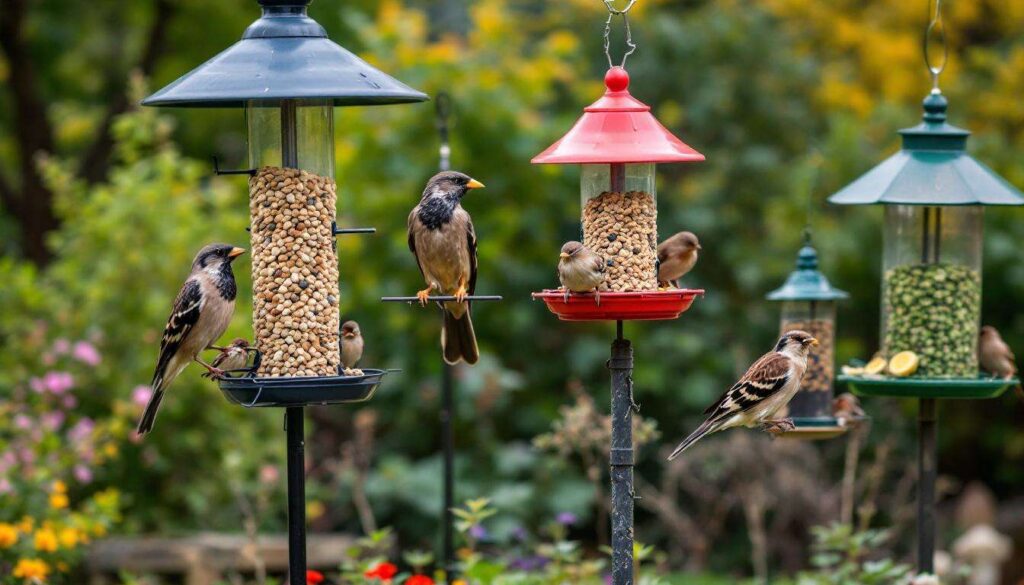
Backyard bird feeders have become a staple in many American gardens, offering homeowners a chance to observe wildlife up close while providing sustenance to feathered visitors. However, mounting evidence suggests that conventional feeding practices may inadvertently harm the very species they intend to support. Understanding the unintended consequences of traditional bird feeders is essential for anyone committed to protecting native bird populations and maintaining ecological balance in their local environment.
Impact of bird feeders on native species
Disease transmission at feeding stations
Bird feeders create concentrated gathering points where numerous individuals congregate in close proximity, significantly increasing the risk of disease transmission. Common avian illnesses such as salmonellosis, aspergillosis, and conjunctivitis spread rapidly when birds share contaminated feeding surfaces. Native species with limited exposure to these pathogens often suffer higher mortality rates compared to more resilient invasive species.
- Salmonella outbreaks can decimate local songbird populations within weeks
- Fungal infections from moldy seed accumulation affect respiratory systems
- Eye diseases spread through direct contact at crowded feeding sites
- Parasites transfer more easily in high-density feeding environments
Behavioral changes in native birds
Regular access to artificial food sources alters natural foraging behaviors that native birds have developed over millennia. Species become dependent on feeders, potentially losing their ability to identify natural food sources. This dependency becomes particularly problematic when feeders are removed or during periods when they remain empty, leaving birds without adequate survival skills for locating alternative nutrition.
Beyond disease and behavioral modifications, the presence of feeders fundamentally changes which species dominate local bird communities.
Invasive species attracted by feeders
Common invasive birds at feeders
Traditional bird feeders disproportionately attract aggressive non-native species that outcompete indigenous birds for resources. European starlings, house sparrows, and rock pigeons dominate feeding stations, consuming vast quantities of seed while intimidating smaller native species.
| Invasive Species | Native Species Displaced | Competitive Advantage |
|---|---|---|
| European Starling | Bluebirds, Woodpeckers | Aggressive behavior, larger size |
| House Sparrow | Wrens, Chickadees | Year-round presence, rapid reproduction |
| Rock Pigeon | Mourning Doves, Juncos | Size dominance, flock intimidation |
Resource monopolization
Invasive species exhibit territorial behavior around feeders, establishing dominance hierarchies that exclude native birds from accessing food. House sparrows, for instance, often nest near feeding stations and aggressively defend these areas year-round. This monopolization forces native species to expend additional energy searching for alternative food sources, reducing their overall fitness and reproductive success.
The dominance of invasive species at feeders creates ripple effects throughout the surrounding ecosystem.
The consequences on local biodiversity
Disruption of predator-prey relationships
Artificial feeding stations concentrate prey species in predictable locations, making them vulnerable to both avian and mammalian predators. Hawks and cats quickly learn to patrol areas around feeders, leading to increased predation rates on native birds. This artificial predation pressure disproportionately affects species already facing population declines.
Altered migration patterns
Year-round feeder availability disrupts natural migration timing for some species. Birds that would typically migrate to warmer climates may attempt to overwinter in unsuitable habitats, relying on feeders for survival. When extreme weather events occur or feeders become inaccessible, these individuals face starvation or exposure.
- Delayed migration departure reduces breeding success in spring territories
- Early returns to northern regions risk exposure to late winter storms
- Altered timing mismatches birds with peak insect availability for nestlings
- Genetic selection for non-migratory behavior weakens population resilience
Impact on plant communities
When birds focus on artificial food sources rather than natural seeds and berries, native plant reproduction suffers. Many plant species depend on birds for seed dispersal, and reduced consumption of wild fruits disrupts these mutualistic relationships. This creates cascading effects throughout the ecosystem as plant diversity declines.
Recognizing these ecological disruptions points toward solutions rooted in supporting natural food sources.
Favoring native plants to feed birds
Berry-producing shrubs and trees
Native plants provide nutritionally superior food sources compared to commercial birdseed while supporting the entire ecosystem. Berry-producing species offer sustained nutrition throughout different seasons and attract a diverse array of native birds specifically adapted to consume these fruits.
| Native Plant | Bird Species Attracted | Fruiting Season |
|---|---|---|
| Serviceberry | Robins, Waxwings, Tanagers | Early summer |
| Elderberry | Thrushes, Woodpeckers, Flycatchers | Late summer |
| Winterberry Holly | Bluebirds, Mockingbirds, Thrashers | Fall through winter |
| Dogwood | Cardinals, Grosbeaks, Warblers | Late summer to fall |
Seed-producing perennials
Native wildflowers and grasses produce seeds that native birds have evolved to efficiently harvest and digest. Leaving seed heads standing through winter provides natural feeding opportunities while requiring no maintenance or cleaning that traditional feeders demand.
- Coneflowers attract goldfinches and chickadees
- Black-eyed Susans provide food for sparrows and juncos
- Native grasses support ground-feeding species like towhees
- Sunflowers offer high-energy seeds for multiple species
Complementing native plantings with thoughtful feeder alternatives creates a comprehensive approach to bird support.
Ecological alternatives to traditional feeders
Species-specific feeder designs
When supplemental feeding proves necessary, specialized feeder designs can minimize access by invasive species while supporting natives. Feeders with small entrance holes exclude larger aggressive birds, while weight-activated perches close feeding ports when heavy birds land.
Seasonal feeding strategies
Limiting feeding to critical periods when natural food sources are genuinely scarce reduces dependency while providing support during harsh conditions. Late winter and early spring represent times when supplemental feeding offers the greatest benefit with minimal ecological disruption.
- Discontinue feeding during summer when natural food abounds
- Provide high-fat foods during extreme cold snaps
- Remove feeders during disease outbreaks
- Clean feeding stations weekly with diluted bleach solution
Natural feeding platforms
Ground-level feeding areas using native seed mixes scattered in protected locations mimic natural foraging conditions. This approach disperses birds across larger areas, reducing disease transmission while allowing natural competitive behaviors to occur without artificial concentration.
These feeding alternatives work best when integrated into landscapes designed to support complete bird lifecycles.
Encouraging a natural habitat for birds
Creating layered vegetation structures
Native birds require diverse habitat layers including canopy trees, understory shrubs, and ground cover plants. This vertical diversity provides nesting sites, foraging opportunities, and protection from predators throughout the year. Replacing lawn areas with native plant communities creates exponentially more valuable bird habitat than any feeder.
Water sources and nesting sites
Clean water for drinking and bathing represents a critical resource often overlooked in favor of food provision. Natural or artificial water features with shallow edges and gradual depth changes accommodate birds of various sizes. Similarly, preserving dead trees, installing appropriate nest boxes, and maintaining brush piles provide essential nesting and shelter opportunities.
- Birdbaths with textured surfaces prevent slipping
- Moving water attracts more species than static sources
- Native cavity-nesting species need appropriately sized boxes
- Brush piles offer protection and invertebrate foraging
Reducing threats in bird-friendly yards
Creating habitat value extends beyond providing resources to eliminating hazards that harm native birds. Window collisions kill hundreds of millions of birds annually, while outdoor cats represent the single largest human-caused source of bird mortality. Addressing these threats multiplies the conservation value of any bird-friendly landscape.
Protecting native bird populations requires understanding that conventional feeders often create more problems than they solve. Disease transmission, invasive species dominance, disrupted natural behaviors, and altered ecosystem relationships all stem from well-intentioned but ecologically problematic feeding practices. Transitioning to native plant landscapes that provide natural food sources throughout the seasons offers superior support for indigenous birds while maintaining healthy ecosystem functions. When supplemental feeding becomes necessary, species-specific designs and seasonal strategies minimize negative impacts. Ultimately, the most effective approach combines diverse native plantings, clean water sources, appropriate nesting sites, and threat reduction to create landscapes where native birds thrive through their own evolved adaptations rather than artificial dependencies.