


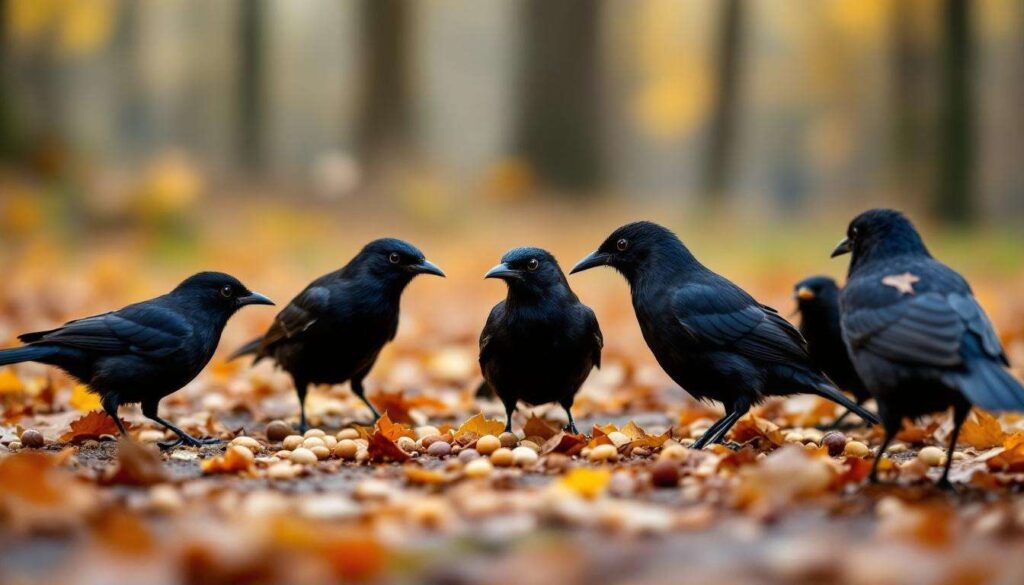
Blackbirds are among the most recognizable garden visitors, yet many bird enthusiasts notice these striking birds hopping around the lawn rather than visiting their carefully stocked feeders. This puzzling behavior stems from the blackbird’s natural feeding instincts and dietary preferences, which differ significantly from other common garden birds. Understanding what blackbirds truly need, especially during autumn when they prepare for winter, can transform your garden into a haven for these charismatic thrushes. The key lies not in elevated feeders filled with seeds, but in providing the right foods at ground level where blackbirds feel most comfortable foraging.
Why are blackbirds avoiding your feeder ?
Natural foraging instincts and feeding preferences
Blackbirds possess ground-feeding instincts deeply rooted in their evolutionary biology. Unlike finches or tits that naturally cling to branches and feeders, blackbirds belong to the thrush family, which has adapted to terrestrial foraging over millions of years. Their body structure, with strong legs and a robust beak designed for turning over leaves and probing soil, makes them poorly suited for perching on hanging feeders or narrow feeding platforms.
The typical bird feeder design presents several challenges for blackbirds:
- Hanging feeders require balancing skills that blackbirds lack
- Small perches cannot accommodate their larger body size
- Enclosed feeding ports restrict their feeding technique
- Elevated positions make them feel vulnerable to predators
Competition and comfort zones
Even when feeders are accessible, blackbirds often face intense competition from more agile species. Starlings, sparrows, and other birds dominate feeders, leaving blackbirds waiting below for dropped scraps. This behavior is not laziness but rather an adaptive strategy that conserves energy and reduces conflict. Blackbirds feel most secure when they can quickly hop to cover under shrubs or hedges, something impossible when perched on a feeder.
Understanding these natural preferences helps explain why even the most generous feeder setup may go ignored by blackbirds, leading us to explore what they actually need at ground level.
The importance of ground-level feeding for blackbirds
Anatomical adaptations for ground foraging
The blackbird’s physical characteristics reveal why ground-level feeding is not merely a preference but a necessity. Their relatively long legs and tail provide balance while hopping across lawns, and their yellow-orange beak is perfectly shaped for probing soft soil and leaf litter. These features make them exceptional ground foragers but awkward feeder users.
| Physical Feature | Ground Feeding Advantage | Feeder Disadvantage |
|---|---|---|
| Long legs | Efficient hopping and running | Difficulty gripping small perches |
| Robust beak | Turning leaves, probing soil | Cannot access small feeding ports |
| Large body size | Can move heavy debris | Too heavy for many feeder designs |
Safety and survival strategies
Ground feeding allows blackbirds to maintain constant vigilance against predators. While foraging, they frequently pause to scan their surroundings, and their position on the ground enables rapid escape into nearby vegetation. This survival strategy has proven successful for countless generations, making elevated feeding positions feel inherently dangerous to these cautious birds.
Recognizing the blackbird’s need for ground-level feeding naturally leads to the question of which specific foods will best support them during autumn.
Which foods to favor for blackbirds this autumn
Protein-rich options for energy building
As autumn progresses, blackbirds require high-protein foods to build fat reserves for winter survival. Their natural diet consists primarily of invertebrates, which become scarcer as temperatures drop. Providing suitable alternatives helps bridge this nutritional gap.
- Mealworms, both live and dried, offer excellent protein content
- Suet pellets provide concentrated energy and fat
- Soaked raisins and currants mimic natural berries
- Chopped apples attract insects while providing sugars
- Grated cheese in small amounts offers protein and fat
Fruit and berry selections
Blackbirds are particularly fond of fruits, which constitute a significant portion of their autumn diet. Fresh or dried fruits scattered on the ground or placed on low platforms prove irresistible to these birds. Berries should be prioritized, as they closely match the blackbird’s natural food sources during this season.
The most effective fruit options include:
- Elderberries, either fresh or dried
- Rowan berries left on branches or scattered below
- Windfall apples cut into quarters
- Grapes, halved to prevent choking
- Blackberries and raspberries, fresh or frozen
Foods to avoid
While blackbirds have varied diets, certain foods prove harmful or unsuitable. Bread offers minimal nutrition and can cause digestive problems, while salted or seasoned foods may be toxic. Whole peanuts present choking hazards, and milk products can cause digestive distress since birds cannot properly digest lactose.
With the right foods identified, the next consideration involves creating an environment where blackbirds feel comfortable accessing these offerings.
How to design your garden to attract blackbirds
Creating safe feeding zones
Blackbirds require protected feeding areas that offer quick escape routes while maintaining visibility for predator detection. Position feeding spots approximately two to three meters from dense shrubs or hedges, allowing birds to retreat rapidly if threatened while providing enough open space to spot approaching dangers.
Essential elements for blackbird-friendly feeding zones:
- Ground-level feeding tables or large, flat stones
- Scattered food across lawn areas for natural foraging
- Leaf litter left undisturbed for invertebrate habitat
- Water sources at ground level for drinking and bathing
- Multiple feeding locations to reduce competition
Planting for year-round support
Strategic plantings provide natural food sources that complement supplementary feeding. Native berry-producing shrubs offer autumn and winter sustenance while creating the dense cover blackbirds prefer. These plantings establish a self-sustaining ecosystem that reduces reliance on purchased foods.
| Plant Type | Autumn Benefit | Additional Value |
|---|---|---|
| Cotoneaster | Abundant berries | Nesting cover |
| Pyracantha | Long-lasting fruits | Protective thorns |
| Holly | Winter berries | Year-round shelter |
| Ivy | Late-season berries | Insect habitat |
Maintaining natural foraging opportunities
The most effective blackbird gardens balance human intervention with natural processes. Leaving some areas deliberately wild encourages invertebrate populations that blackbirds depend upon. Avoid excessive tidiness in autumn, as fallen leaves harbor beetles, spiders, and other prey items that constitute the blackbird’s preferred diet.
Understanding garden design naturally connects to observing how blackbirds actually use these spaces throughout autumn.
Blackbirds’ feeding behaviors in autumn
Daily activity patterns
Blackbirds exhibit distinct feeding rhythms during autumn months. Peak activity occurs during early morning and late afternoon, when these birds forage most intensively to meet their increased energy demands. During midday, they often rest in sheltered locations, conserving energy for the more productive feeding periods.
Typical autumn day for a blackbird:
- Dawn: intensive foraging for invertebrates in damp soil
- Mid-morning: fruit feeding and water visits
- Midday: resting and preening in cover
- Late afternoon: renewed foraging activity
- Dusk: final feeding before roosting
Seasonal dietary shifts
As autumn progresses, blackbirds gradually transition from insect-heavy diets to increased fruit consumption. This shift reflects both availability and nutritional needs. Early autumn sees continued emphasis on protein-rich invertebrates, while later months bring greater reliance on energy-dense fruits and berries that provide the calories needed for thermoregulation.
Social dynamics and territorial behavior
Autumn brings changes in blackbird social structures. The territorial aggression characteristic of breeding season diminishes, though dominant individuals still maintain preferred feeding areas. Multiple blackbirds may forage in proximity, though they maintain personal space and occasionally display mild aggression over particularly desirable food items.
Observing these behaviors becomes easier when you know how to position yourself and your garden for optimal viewing opportunities.
Tips for observing blackbirds up close
Positioning and patience
Successful blackbird observation requires strategic positioning that minimizes disturbance while maximizing visibility. Windows overlooking feeding areas provide excellent vantage points, though movement behind glass should be minimized. Garden furniture positioned at a respectful distance allows outdoor observation without causing alarm.
Best practices for close observation:
- Remain still and avoid sudden movements
- Wear muted colors that blend with surroundings
- Observe during peak feeding times for increased activity
- Use binoculars to maintain distance while seeing details
- Create regular feeding schedules so birds anticipate food availability
Recording and identification
Documenting blackbird visits enhances understanding of their individual behaviors and preferences. Photography from indoor positions captures natural behaviors without disturbance, while keeping a simple log reveals patterns in visit frequency and food preferences. Male blackbirds with their jet-black plumage and bright orange beaks are easily distinguished from brown females, allowing observation of gender-specific behaviors.
Building trust over time
Blackbirds can become remarkably tolerant of human presence when consistently treated with respect. Regular feeding schedules, calm movements, and non-threatening behavior gradually reduce wariness. Some individuals become bold enough to feed within meters of stationary observers, offering intimate glimpses into their daily lives and feeding techniques.
Creating a blackbird-friendly garden through ground-level feeding transforms outdoor spaces into vibrant wildlife habitats. By understanding why these birds avoid traditional feeders and instead prefer foraging at ground level, gardeners can provide the protein-rich insects, fruits, and berries that blackbirds actually need during autumn. Strategic garden design with native plantings, protected feeding zones, and natural foraging areas supports both supplementary feeding and self-sustaining food sources. Observing blackbird feeding behaviors throughout autumn reveals their dietary shifts, daily activity patterns, and social dynamics, deepening appreciation for these adaptable thrushes. With patience and proper positioning, close observation becomes possible, offering rewarding glimpses into the lives of these charismatic garden visitors as they prepare for winter’s challenges.