



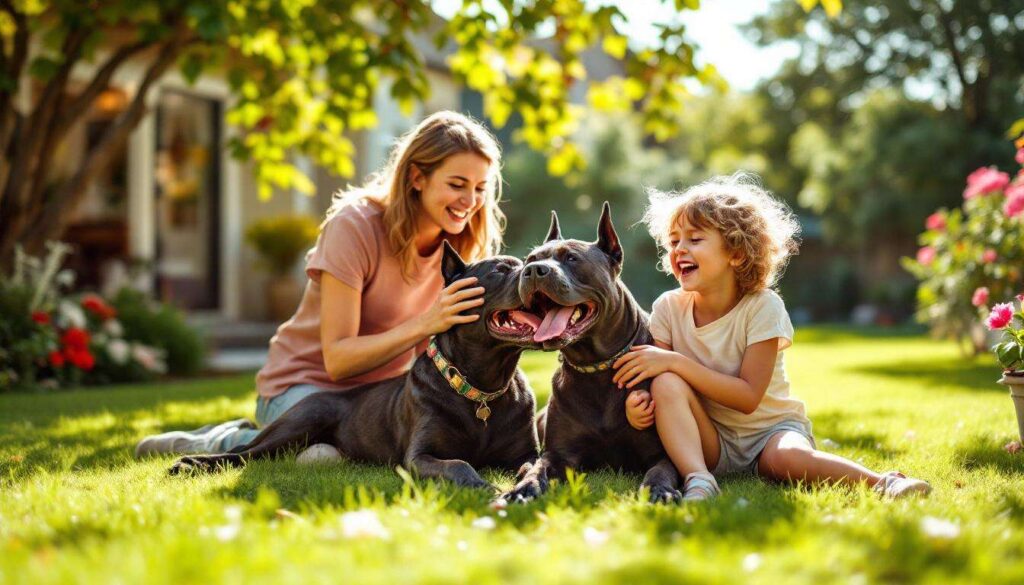
The Cane Corso commands attention with its imposing stature and unwavering loyalty, yet many families wonder whether this powerful Italian breed can safely share a home with young children. As Australian trainers continue to work closely with these majestic dogs, their professional insights offer valuable guidance for parents considering this breed. Understanding the Cane Corso’s nature, needs, and potential as a family companion requires examining multiple factors that influence their behavior around children.
Introduction to the Cane Corso: characteristics and origin
Historical background of the breed
The Cane Corso traces its lineage to ancient Roman war dogs, bred specifically for guarding property and hunting large game. This Italian mastiff served as a versatile working dog throughout centuries, protecting livestock and families across the Italian countryside. The breed nearly faced extinction following World War II but dedicated enthusiasts revived it during the 1970s, leading to official recognition by major kennel clubs.
Physical characteristics and appearance
These dogs exhibit remarkable physical presence with several distinctive features:
- Weight ranging from 90 to 120 pounds for males and 80 to 110 pounds for females
- Height measuring 24 to 28 inches at the shoulder
- Short, dense coat in colors including black, gray, fawn, and red
- Muscular, athletic build designed for endurance and power
- Large, square head with pronounced jaw strength
The sheer size of a Cane Corso means families must consider space requirements and the potential for accidental knocks, particularly with toddlers who are still developing balance and coordination. These considerations extend beyond mere physical attributes to encompass the breed’s inherent behavioral tendencies.
The temperament of the Cane Corso: a protective breed
Natural guarding instincts
Australian trainers consistently emphasize the Cane Corso’s innate protective nature as both an asset and a responsibility. These dogs form deep bonds with their families and naturally assume guardian roles. This protective instinct means they remain vigilant about perceived threats, which can manifest as wariness toward strangers or unfamiliar situations. When properly channeled, this trait provides families with a devoted protector, but without appropriate guidance, it may lead to overprotective behaviors.
Loyalty and family bonding
The breed demonstrates exceptional loyalty to family members, often forming particularly strong attachments to children they grow up with. Trainers note that Cane Corsos typically recognize family children as part of their pack, extending their protective instincts to safeguard them. However, this same loyalty means they may react defensively during normal childhood play that involves roughhousing or raised voices, mistaking it for aggression.
Intelligence and trainability
Cane Corsos possess remarkable intelligence, which influences their suitability for family life. They learn quickly and respond well to consistent training methods, yet this intelligence also means they can develop undesirable habits if not properly guided. Their problem-solving abilities and strong will require owners who can provide firm, confident leadership without resorting to harsh methods. Understanding these temperamental foundations sets the stage for examining how early experiences shape their behavior around children.
The importance of socialization with children
Critical socialization periods
Australian trainers stress that early socialization represents the single most crucial factor in determining whether a Cane Corso thrives in a family environment. The critical socialization window occurs between 3 and 14 weeks of age, during which puppies must experience positive interactions with children of various ages. Exposure during this period helps puppies learn appropriate responses to sudden movements, high-pitched voices, and unpredictable behaviors typical of young children.
Supervised interactions and boundaries
Establishing clear boundaries benefits both dogs and children through structured interaction guidelines:
- Never leaving young children unsupervised with any large breed dog
- Teaching children to respect the dog’s space, especially during meals and rest
- Creating safe zones where the dog can retreat when overwhelmed
- Monitoring play sessions to prevent escalation of excitement
- Correcting inappropriate behavior from both children and dogs immediately
Ongoing socialization throughout life
Socialization extends far beyond puppyhood, requiring continuous reinforcement throughout the dog’s life. Regular exposure to children outside the immediate family helps maintain social skills and prevents territorial behaviors from developing. Trainers recommend organizing controlled playdates, visiting child-friendly environments, and maintaining positive associations with children’s activities. These ongoing efforts directly connect to the breed’s substantial physical and mental requirements.
The Cane Corso’s exercise and stimulation needs
Daily physical exercise requirements
The Cane Corso demands considerable physical activity to maintain health and balanced behavior. Australian trainers typically recommend the following exercise schedule:
| Age Group | Daily Exercise Duration | Activity Type |
|---|---|---|
| Puppies (3-12 months) | 30-45 minutes | Gentle play, short walks |
| Adults (1-7 years) | 60-90 minutes | Vigorous walks, running, play |
| Seniors (7+ years) | 45-60 minutes | Moderate walks, swimming |
Insufficient exercise often results in destructive behaviors and increased reactivity, making the dog less suitable for family life. A tired Cane Corso demonstrates better impulse control and patience around energetic children.
Mental stimulation and enrichment
Beyond physical exercise, these intelligent dogs require substantial mental challenges. Puzzle toys, obedience training sessions, and scent work provide necessary cognitive engagement. Families can involve children in age-appropriate training activities, creating positive associations while fulfilling the dog’s mental needs. Without adequate stimulation, Cane Corsos may develop anxiety or frustration that manifests in unwanted behaviors. Meeting these exercise and stimulation needs becomes significantly easier when families implement effective training strategies.
Training tips for harmonious coexistence
Establishing leadership and structure
Australian trainers emphasize that Cane Corsos require confident, consistent leadership from all family members. These dogs respect clear hierarchies and respond best to owners who establish rules and enforce them fairly. Parents must model appropriate interactions and ensure children understand their role in the family structure. The entire family should participate in training to reinforce commands and expectations uniformly.
Positive reinforcement techniques
Modern training approaches favor reward-based methods that strengthen desired behaviors:
- Rewarding calm behavior around children with treats and praise
- Using clicker training to mark precise moments of appropriate response
- Redirecting unwanted behaviors rather than punishing them
- Maintaining short, engaging training sessions to sustain focus
- Celebrating small victories to build confidence
Teaching impulse control
Impulse control exercises prove particularly valuable for families with young children. Training the dog to wait before eating, sit before greeting, and remain calm during excitement helps prevent overwhelming interactions. Commands like “leave it,” “gentle,” and “settle” become essential tools for managing daily situations. Professional guidance from experienced trainers can accelerate this process and address specific family circumstances. These training foundations ultimately determine whether the breed suits a particular family’s lifestyle and needs.
Conclusion: is the Cane Corso suitable for your family ?
The Cane Corso can thrive in families with young children when owners commit to proper socialization, consistent training, and meeting the breed’s substantial exercise needs. Australian trainers agree that responsible ownership makes the difference between success and struggle. Families must honestly assess their ability to provide firm leadership, dedicate time to training, and supervise interactions vigilantly. The breed’s protective nature and loyalty offer tremendous benefits, but these same qualities demand experienced handling. Parents willing to invest effort in early socialization, maintain structured routines, and work with professional trainers often discover a devoted family guardian. However, first-time dog owners or families unable to commit significant time and energy should consider breeds with less demanding temperaments and smaller physical stature.