



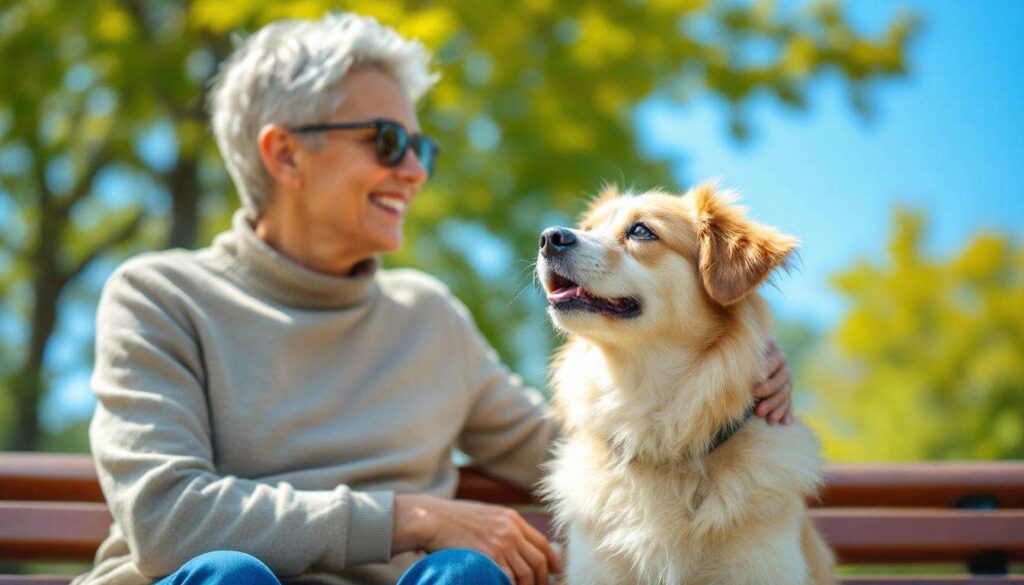
Recent research from the Royal Society for the Prevention of Cruelty to Animals has revealed a surprising phenomenon that challenges common assumptions about pet adoption. Dogs rescued from shelters appear to form emotional bonds with their new owners more rapidly than puppies purchased from breeders. This finding has significant implications for prospective pet owners and animal welfare organizations alike, suggesting that the path to a strong human-canine relationship may be shorter than previously thought when adopting a rescue animal. The study examined behavioral patterns, attachment indicators, and bonding timelines across different acquisition methods, providing valuable insights into the emotional lives of shelter dogs and their capacity for forming meaningful connections despite difficult pasts.
RSPCA preferences for shelter dogs
Research methodology and sample selection
The RSPCA conducted extensive observations involving hundreds of adoption cases across multiple shelters. Researchers tracked bonding behaviors through systematic monitoring of both dogs and their adoptive families during the critical first months following placement. The study utilized standardized behavioral assessments to measure attachment levels, including separation anxiety responses, proximity-seeking behaviors, and emotional responsiveness to owner presence. Data collection spanned various dog breeds, ages, and background histories to ensure comprehensive findings.
Key findings from the research
The results demonstrated that rescue dogs exhibited attachment behaviors significantly earlier than their breeder-purchased counterparts. Specific observations included:
- Shelter dogs showed recognition and excitement upon owner return within the first two weeks
- Attachment behaviors appeared three to four weeks faster in rescued animals
- Emotional responsiveness peaked earlier in the adoption timeline
- Separation distress emerged sooner, indicating established bonds
| Bonding Indicator | Rescue Dogs (Average Days) | Purchased Puppies (Average Days) |
|---|---|---|
| First recognition behaviors | 8-12 | 18-25 |
| Consistent attachment signs | 21-28 | 42-56 |
| Strong bond establishment | 35-45 | 60-90 |
These findings suggest that rescue dogs possess an enhanced capacity for recognizing and appreciating stable, caring environments. Understanding what drives this accelerated bonding process requires examining the psychological impact of their previous experiences.
The impact of past trauma on emotional bonds
How adversity shapes attachment capacity
Paradoxically, the difficult circumstances many shelter dogs have endured may actually heighten their ability to form rapid attachments. Animals that have experienced neglect, abandonment, or unstable living situations develop a heightened sensitivity to environmental cues related to safety and security. When placed in a nurturing home, these dogs quickly recognize the contrast between their previous circumstances and their new reality. This recognition triggers accelerated bonding mechanisms as the animal seeks to establish and maintain the newfound security.
Neurological responses to stability
Research in canine neuroscience indicates that dogs experiencing significant environmental improvements show elevated levels of oxytocin production, the hormone associated with bonding and attachment. Shelter dogs transitioning to permanent homes demonstrate:
- Increased oxytocin release during positive interactions with new owners
- Heightened cortisol reduction in stable environments
- Enhanced neural pathway development related to trust formation
- Accelerated habituation to family routines and household patterns
The biological response to stability creates a foundation for emotional connection that develops more rapidly than in puppies who have not experienced such dramatic life changes. Beyond these trauma-related factors, several other elements contribute to the bonding timeline in shelter animals.
Factors influencing attachment in shelter dogs
Age and maturity advantages
Most shelter dogs are beyond the puppy stage, possessing emotional and cognitive maturity that facilitates quicker relationship formation. Adult dogs have fully developed social cognition, allowing them to read human emotional cues more effectively than younger animals. This maturity enables more sophisticated interaction patterns and faster adaptation to household expectations. Additionally, adult dogs have established personalities, making it easier for owners to understand their needs and preferences, which accelerates mutual understanding.
Gratitude and recognition factors
While attributing complex emotions like gratitude to animals remains scientifically debated, behavioral evidence suggests that rescue dogs demonstrate heightened appreciation behaviors. These include:
- Increased physical affection seeking compared to baseline expectations
- Enhanced responsiveness to owner attention and interaction
- Greater tolerance for handling and grooming activities
- Reduced territorial or possessive behaviors around resources
Environmental contrast recognition
The stark difference between shelter conditions and home environments creates a powerful psychological impact. Shelter dogs transitioning to homes with consistent feeding schedules, comfortable sleeping areas, individual attention, and predictable routines experience dramatic quality-of-life improvements. This contrast amplifies their attachment to the providers of these benefits, creating bonds that form more quickly than in puppies who have known only stable, comfortable environments from birth. Examining how these rescue experiences compare to traditional puppy acquisition provides further context for understanding bonding differences.
Comparison with puppies purchased from breeders
Developmental stages and bonding timelines
Puppies purchased from breeders typically arrive in homes during critical developmental periods when they are still forming basic cognitive and social skills. While this early acquisition allows owners to shape behaviors from the beginning, it also means the puppy lacks the emotional maturity to form deep attachments immediately. Young puppies focus primarily on exploration, play, and basic needs rather than emotional bonding during their first months. The attachment process unfolds gradually as cognitive abilities develop, resulting in a slower but steady progression toward strong bonds.
Stability versus contrast in bonding experiences
Breeder puppies typically experience consistent care from birth, transitioning from one stable environment to another. This continuity, while positive for overall development, does not create the dramatic environmental contrast that accelerates bonding in rescue dogs. The comparison reveals:
| Factor | Rescue Dogs | Breeder Puppies |
|---|---|---|
| Environmental contrast | High (shelter to home) | Low (breeder to home) |
| Emotional maturity at acquisition | Fully developed | Still developing |
| Recognition of care quality | Immediate and pronounced | Gradual baseline establishment |
| Initial attachment behaviors | Rapid and intense | Gradual and exploratory |
These differences do not suggest that one acquisition method produces superior long-term bonds, but rather that the timeline and process differ significantly. Both paths ultimately lead to strong human-canine relationships, though the journey varies. Recognizing these patterns helps prospective owners set appropriate expectations and understand the unique advantages each option presents. The accelerated bonding observed in rescue dogs offers specific benefits worth examining in detail.
The mutual benefits of a quick bond
Advantages for adopted dogs
Rapid bonding provides immediate psychological benefits for shelter dogs adjusting to new homes. When attachment forms quickly, dogs experience reduced anxiety, improved confidence, and faster behavioral stabilization. The security of an established bond helps rescue dogs overcome previous trauma more effectively, as they develop trust that their needs will be consistently met. This emotional foundation supports better long-term mental health outcomes and reduces the likelihood of behavioral problems that might jeopardize placement success.
Benefits for adoptive families
Owners who adopt rescue dogs often report feeling rewarded by the rapid connection that develops. The quick bond provides:
- Immediate emotional fulfillment and companionship
- Faster integration into family routines and activities
- Reduced adjustment period stress for all household members
- Earlier establishment of training and behavioral expectations
- Stronger motivation to maintain the adoption commitment
The accelerated timeline also benefits families who may have limited experience with dogs, as the clear attachment signals provide reassurance that the adoption is succeeding. This positive feedback loop strengthens owner commitment and increases adoption success rates. Understanding these dynamics has important implications for how shelters approach adoption processes and how potential adopters make decisions.
Implications for future adopters and animal welfare
Guidance for prospective adopters
The research findings suggest that individuals concerned about bonding challenges should seriously consider shelter adoption. Common misconceptions about rescue dogs being damaged or unable to form attachments are contradicted by evidence showing their enhanced bonding capacity. Prospective owners should recognize that adopting an adult shelter dog may actually provide a faster path to companionship than raising a puppy, particularly for those seeking immediate emotional connection.
Shelter practices and adoption strategies
Animal welfare organizations can leverage these findings to improve adoption outcomes by:
- Educating potential adopters about accelerated bonding timelines
- Highlighting the emotional maturity advantages of adult dogs
- Providing post-adoption support during the critical first month
- Matching dogs with families based on bonding potential indicators
Shelters might also adjust their adoption counseling approaches to emphasize the research-supported benefits of rescue adoption, potentially increasing placement rates for adult dogs who often wait longer than puppies for homes.
Broader animal welfare considerations
These findings contribute to larger conversations about responsible pet acquisition and the ethical considerations surrounding breeding versus adoption. As evidence accumulates showing that rescue dogs offer unique advantages, including faster bonding, the case for adoption strengthens from both practical and ethical perspectives. Increased awareness of these benefits may help shift cultural preferences toward shelter adoption, ultimately reducing euthanasia rates and improving outcomes for homeless animals.
The RSPCA research illuminates a remarkable aspect of canine psychology that challenges conventional wisdom about pet adoption. Rescue dogs demonstrate an enhanced capacity for rapid bonding, likely stemming from their past experiences and emotional maturity. This accelerated attachment timeline benefits both the animals and their adoptive families, creating strong relationships more quickly than traditional puppy acquisition. For prospective pet owners, these findings suggest that concerns about bonding difficulties with rescue dogs may be unfounded, while animal welfare organizations gain valuable insights for improving adoption practices and outcomes. The evidence supports a compelling conclusion that opening your home to a shelter dog may be the fastest path to a devoted companion.