



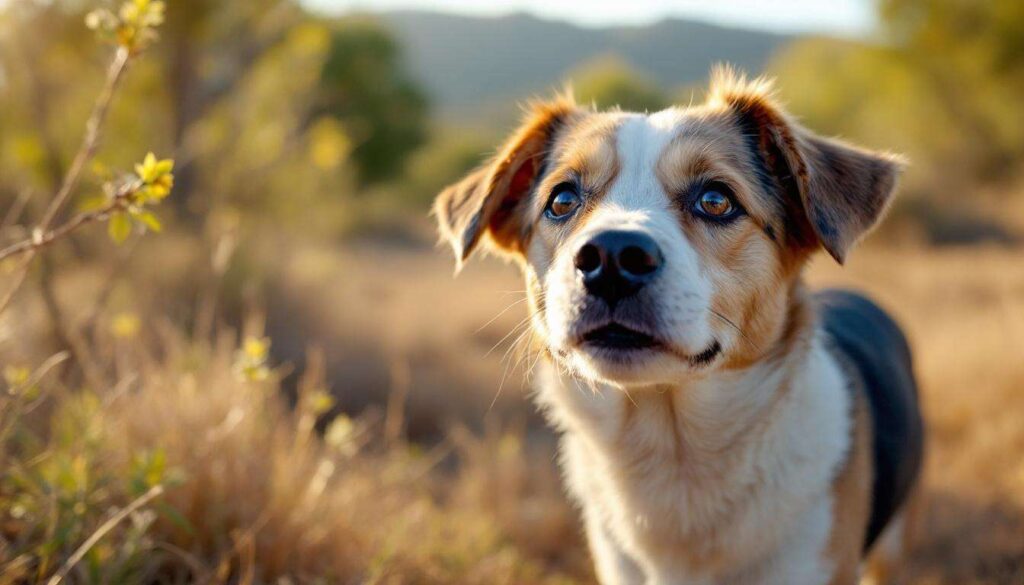
Dog owners across southeastern Australia face a heightened risk during March as warming temperatures bring snakes out of winter dormancy and into closer contact with domestic pets. This seasonal pattern creates a dangerous convergence where curious canines encounter venomous reptiles in backyards, parks, and bushland areas. Understanding the specific threats posed during this critical month can mean the difference between life and death for beloved family pets.
Introduction to snake bites in dogs
Snake envenomation represents one of the most serious veterinary emergencies affecting dogs in Australia. Each year, thousands of dogs suffer bites from venomous snakes, with fatality rates varying depending on the species involved, the amount of venom injected, and how quickly treatment is administered. Unlike humans who typically avoid snake-prone areas, dogs explore their environment through scent and investigation, often disturbing snakes accidentally or confronting them out of territorial instinct.
Why dogs are particularly vulnerable
Several factors make dogs especially susceptible to snake encounters and subsequent envenomation:
- Natural curiosity drives dogs to investigate unusual movements and scents
- Protective instincts may cause dogs to position themselves between snakes and their owners
- Limited awareness of danger prevents dogs from recognizing warning signs
- Lower body positioning places dogs’ faces and legs within striking range
- Off-leash activities in natural habitats increase exposure risk
The combination of these behavioral traits with Australia’s abundance of highly venomous snake species creates a perfect storm for canine snake bite incidents. Veterinary clinics in affected regions report significant spikes in snake bite cases during peak season, straining resources and requiring specialized antivenom treatments.
The seasonal nature of these incidents points directly to environmental factors that influence snake behavior, particularly the climatic conditions characteristic of March in southeastern Australia.
March climate in Australia and its relationship with snakes
March marks the transition from summer to autumn in southeastern Australia, creating ideal conditions for increased snake activity. During this period, temperatures remain warm enough to maintain snake metabolism and activity levels, while the cooling trend triggers specific behavioral patterns that bring snakes into more frequent contact with human and pet populations.
Temperature patterns driving snake behavior
Snakes are ectothermic creatures that rely on external heat sources to regulate body temperature. March temperatures in southeastern Australia typically range between 15°C and 25°C, which falls within the optimal activity range for most venomous species. This temperature sweet spot allows snakes to remain active throughout the day while seeking basking spots and hunting opportunities.
| Month | Average Temperature | Snake Activity Level | Reported Incidents |
|---|---|---|---|
| January | 22-28°C | High | Moderate |
| February | 21-27°C | High | Increasing |
| March | 18-24°C | Peak | Highest |
| April | 14-20°C | Declining | Decreasing |
Breeding season and territorial behavior
March coincides with the tail end of breeding season for many Australian snake species. Male snakes actively search for mates, expanding their territorial range and appearing in areas where they might not typically be found. This increased movement and territorial aggression elevates the likelihood of encounters with dogs exploring the same spaces.
Additionally, the abundance of prey species during this period attracts snakes to suburban areas where rodents and small mammals congregate near human dwellings. Dogs investigating these same areas for interesting scents inadvertently enter snake hunting grounds, setting the stage for dangerous confrontations.
Understanding which specific species pose the greatest threat helps dog owners recognize the severity of potential encounters and the urgency required in seeking treatment.
The most dangerous snakes for dogs in Australia
Southeastern Australia hosts several highly venomous snake species, each presenting unique dangers to canine companions. Recognition of these species and understanding their venom characteristics enables more informed responses during emergencies.
Eastern brown snake
The eastern brown snake ranks as the second most venomous land snake globally and causes the majority of dog fatalities in southeastern Australia. These snakes inhabit grasslands, agricultural areas, and suburban fringes, bringing them into frequent contact with domestic pets. Their venom contains potent neurotoxins and coagulants that can cause rapid deterioration in bitten dogs.
Eastern browns are particularly dangerous because they are fast-moving and defensive when cornered. Dogs that surprise these snakes or attempt to play with them often receive multiple strikes, increasing venom load significantly.
Tiger snake
Tiger snakes thrive in the cooler, wetter regions of southeastern Australia, particularly near water sources. Their venom combines neurotoxins, myotoxins, and coagulants, creating a complex envenomation syndrome that affects multiple body systems simultaneously. These snakes display distinctive banding patterns, though coloration varies considerably across populations.
Red-bellied black snake
While generally less aggressive than brown or tiger snakes, red-bellied black snakes still pose significant risks to dogs. Their venom is comparatively less potent, but bites still require immediate veterinary attention. These snakes prefer moist environments and are commonly encountered near creeks, dams, and wetland areas where dogs might swim or drink.
Copperhead snake
Copperheads inhabit cooler highland regions and are most active during March when temperatures suit their preferred range. Though typically shy, they will strike defensively when threatened. Their venom can cause severe local tissue damage and systemic effects in dogs.
Recognizing that a dog has been bitten requires vigilance and knowledge of the telltale signs that indicate envenomation has occurred.
Symptoms of a snake bite in dogs
Identifying snake bite symptoms quickly is crucial for survival, as treatment effectiveness decreases dramatically with delayed intervention. Symptoms vary depending on the snake species, venom quantity, and bite location, but certain patterns consistently emerge.
Immediate symptoms
The first signs of envenomation may appear within minutes of the bite:
- Sudden yelping or signs of pain
- Visible puncture wounds, often with minimal bleeding
- Localized swelling around the bite area
- Excessive drooling or salivation
- Dilated pupils
- Restlessness or agitation
Progressive neurological symptoms
As venom circulates through the bloodstream, neurological effects become apparent:
- Weakness or wobbling when walking
- Collapse or inability to stand
- Paralysis beginning in the hind legs
- Difficulty breathing or rapid breathing
- Vomiting or diarrhea
- Trembling or muscle twitching
Severe systemic effects
Without treatment, envenomation progresses to life-threatening complications including respiratory failure, kidney damage, and cardiovascular collapse. Blood clotting abnormalities may cause internal bleeding, while complete paralysis can prevent breathing entirely.
The window for effective intervention narrows rapidly once symptoms appear, making immediate action essential for positive outcomes.
First aid and treatment for a snake bite
Proper first aid response can significantly improve survival chances while transporting a bitten dog to veterinary care. However, certain common misconceptions about snake bite treatment can actually worsen outcomes.
Immediate first aid steps
When a snake bite is suspected, dog owners should take these critical actions immediately:
- Keep the dog as calm and still as possible to slow venom circulation
- Carry the dog rather than allowing it to walk
- Apply a pressure immobilization bandage if trained to do so
- Note the time of the bite
- Transport to the nearest veterinary emergency facility immediately
What not to do
Several traditional snake bite treatments are dangerous and ineffective:
- Never attempt to catch or kill the snake
- Do not apply tourniquets which can cause tissue damage
- Avoid cutting the bite site or attempting to suck out venom
- Do not apply ice or cold packs
- Never give the dog food, water, or medication before veterinary assessment
Veterinary treatment protocols
Professional treatment typically involves antivenom administration, which neutralizes circulating toxins. Veterinarians assess the severity of envenomation through blood tests and clinical examination before determining the appropriate antivenom type and dosage. Supportive care includes intravenous fluids, oxygen therapy, pain management, and monitoring for complications.
The cost of treatment can be substantial, often ranging from several hundred to several thousand dollars depending on the amount of antivenom required and the length of hospitalization needed.
While treatment saves lives, prevention strategies offer the best protection against snake bite incidents during the high-risk March period.
Prevention of snake bites in dogs in March
Proactive measures significantly reduce the likelihood of snake encounters and subsequent bites. Dog owners in southeastern Australia should implement comprehensive prevention strategies throughout March and the broader snake season.
Environmental management
Modifying the home environment makes properties less attractive to snakes:
- Maintain short grass and remove long vegetation where snakes hide
- Clear debris piles, wood stacks, and building materials
- Seal gaps under sheds, decks, and buildings
- Remove potential food sources like rodents
- Install snake-proof fencing around yards
- Keep chicken coops and aviaries secure
Walking and exercise precautions
Adjusting exercise routines during peak snake season provides additional protection. Walk dogs during cooler parts of the day when snakes are less active, stick to open paths rather than long grass, and keep dogs on leashes in snake-prone areas. Avoid dawn and dusk when snakes are most active, and stay away from water sources where snakes congregate.
Training and behavioral modification
Snake avoidance training teaches dogs to recognize and retreat from snake scents and sounds. Professional trainers use controlled exposure methods to create negative associations with snakes, though effectiveness varies among individual dogs. Basic obedience training ensures dogs respond immediately to recall commands, allowing owners to remove them from dangerous situations quickly.
Preparedness planning
Having an emergency response plan ensures rapid action when incidents occur. Keep veterinary emergency contact numbers readily accessible, know the location of the nearest 24-hour emergency clinic, and maintain a pet first aid kit with pressure bandages. Some owners choose to keep antivenom on hand, though this requires veterinary administration and proper storage.
March in southeastern Australia demands heightened awareness and proactive protection strategies from dog owners. The convergence of optimal temperatures, breeding behaviors, and increased outdoor activities creates peak conditions for snake encounters. Understanding the specific dangers posed by local venomous species, recognizing symptoms rapidly, and implementing comprehensive prevention measures can protect dogs from this seasonal threat. While treatment options exist and continue improving, prevention remains the most effective strategy for keeping canine companions safe during this dangerous month. Vigilance, environmental management, and preparedness form the foundation of responsible pet ownership in snake-prone regions during high-risk periods.