



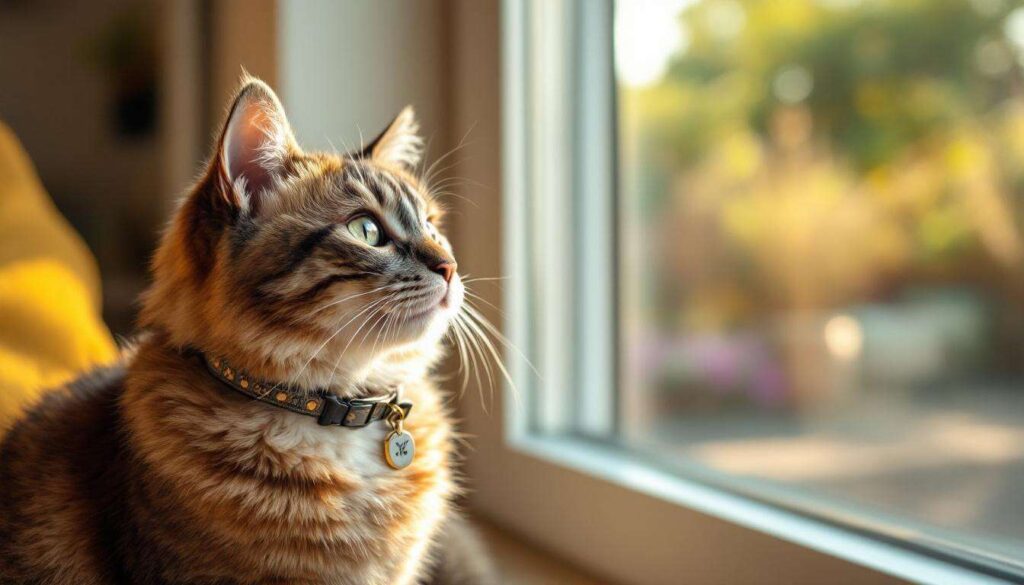
Australian cat owners face significant changes as new containment regulations reshape pet ownership across the nation. These legislative measures aim to protect native wildlife while maintaining responsible pet guardianship standards. Understanding these comprehensive rules ensures compliance and helps preserve the delicate balance between domestic animals and Australia’s unique ecosystem.
Context and objectives of the 2026 cat containment laws
The environmental imperative driving legislative change
Australia’s native wildlife faces unprecedented threats from domestic and feral cats, with studies indicating that millions of native animals fall victim to feline predation annually. The new containment laws emerge from decades of ecological research demonstrating the devastating impact cats have on vulnerable species. These regulations represent a coordinated national effort to address biodiversity loss while acknowledging the cultural significance of pet ownership.
Key environmental concerns include:
- Protection of endangered marsupials and ground-nesting birds
- Reduction of native reptile and small mammal mortality rates
- Prevention of local extinction events in vulnerable ecosystems
- Preservation of ecological corridors and wildlife habitats
Legislative framework and government coordination
The containment laws result from collaboration between federal, state, and local authorities, creating a unified approach to cat management. Each jurisdiction maintains specific implementation guidelines while adhering to overarching national standards. This framework ensures consistency across regions while allowing flexibility for local environmental conditions and community needs.
| Government Level | Primary Responsibility | Enforcement Mechanism |
|---|---|---|
| Federal | Policy framework and funding | National compliance monitoring |
| State | Legislation and penalties | Regulatory oversight |
| Local Council | Implementation and inspection | Direct enforcement actions |
These coordinated efforts establish clear expectations for cat owners while providing resources for compliance assistance. Understanding these governmental roles helps owners navigate the regulatory landscape and access appropriate support services.
New movement restrictions for cats in Australia
Mandatory containment hours and boundaries
The legislation introduces specific timeframes during which cats must remain within property boundaries. Owners must ensure their cats stay indoors or within secure outdoor enclosures between sunset and sunrise. These restrictions apply universally across residential areas, with enhanced requirements near designated conservation zones and wildlife corridors.
Containment requirements include:
- Complete indoor confinement during nighttime hours
- Supervised outdoor access during permitted daytime periods
- Physical barriers preventing escape from designated areas
- Enhanced restrictions within 500 meters of protected habitats
Infrastructure requirements for cat enclosures
Property owners must install approved containment systems meeting specific safety and design standards. These structures ensure cats remain secure while providing adequate space for exercise and natural behaviors. Enclosure specifications address height, material durability, and escape prevention mechanisms.
| Enclosure Feature | Minimum Standard | Purpose |
|---|---|---|
| Height | 2 meters | Prevent climbing escapes |
| Mesh size | 25mm maximum | Adequate ventilation and visibility |
| Foundation depth | 30cm below ground | Prevent digging under barriers |
| Roof coverage | 100% enclosed | Complete containment security |
These physical requirements create safe environments for cats while effectively preventing wildlife interactions. The standards balance animal welfare considerations with conservation objectives, ensuring cats maintain quality of life within containment parameters.
The impact of laws on cat owners’ lives
Financial implications and compliance costs
Implementing containment measures requires significant financial investment from cat owners. Initial setup costs for approved enclosures range from moderate to substantial depending on property size and chosen design. Ongoing maintenance expenses add to the long-term financial commitment of responsible cat ownership under the new framework.
Typical expenses include:
- Professional enclosure installation ranging from $1,500 to $8,000
- Annual maintenance and repair costs averaging $200 to $500
- Microchipping and registration fees between $50 and $150
- Potential fines for non-compliance starting at $500
Behavioral adjustments and training requirements
Transitioning cats to contained environments demands patience and consistent training. Many cats accustomed to unrestricted outdoor access require gradual adaptation periods. Owners must implement enrichment strategies to prevent behavioral issues associated with reduced roaming opportunities.
Successful adaptation involves providing indoor stimulation through climbing structures, interactive toys, and scheduled play sessions. Veterinary behaviorists recommend gradual containment introduction, particularly for older cats with established outdoor routines. These adjustments protect both feline wellbeing and wildlife populations.
Enhanced animal welfare and safety measures
Health benefits of contained environments
Containment significantly reduces health risks facing outdoor cats. Protected environments minimize exposure to traffic accidents, territorial conflicts, and disease transmission from other animals. Veterinary data demonstrates that contained cats experience fewer injuries and longer lifespans compared to free-roaming counterparts.
| Health Factor | Free-Roaming Risk | Contained Environment |
|---|---|---|
| Vehicle injuries | High incidence | Eliminated |
| Infectious diseases | Elevated exposure | Minimal risk |
| Predator attacks | Moderate threat | Protected |
| Poisoning incidents | Significant concern | Controlled environment |
Identification and tracking protocols
The legislation mandates comprehensive identification systems for all domestic cats. Microchipping becomes compulsory, with registration details maintained in centralized databases. These measures facilitate lost pet recovery and enable enforcement authorities to identify non-compliant owners effectively.
Registration requirements ensure accurate ownership records and provide emergency contact information. The tracking systems support community safety while helping reunite lost cats with their families. These protocols demonstrate the legislation’s dual focus on wildlife protection and responsible pet stewardship.
Exceptions and special cases in law enforcement
Working cats and agricultural exemptions
Certain categories receive modified requirements recognizing their unique circumstances. Farm cats performing pest control duties may qualify for partial exemptions within designated rural zones. These exceptions require formal applications demonstrating legitimate agricultural necessity and implementing alternative wildlife protection measures.
Exemption categories include:
- Registered farm cats in active pest management roles
- Cats residing in approved remote properties beyond urban boundaries
- Temporary exemptions during relocation or property modifications
- Special consideration for elderly owners requiring assistance
Medical and behavioral accommodation provisions
The framework acknowledges that some cats possess special needs requiring customized containment approaches. Veterinary certification may support modified compliance timelines for cats with specific medical conditions or extreme behavioral challenges. These provisions balance enforcement consistency with individual animal welfare considerations.
Authorities evaluate exemption requests individually, requiring detailed documentation from qualified professionals. This flexible approach ensures the legislation remains humane while maintaining its conservation objectives. Owners seeking accommodations must demonstrate genuine necessity and propose alternative compliance strategies.
The role of local communities and citizen involvement
Community education and support programs
Successful implementation depends on widespread community engagement and public education initiatives. Local councils coordinate workshops teaching proper containment techniques and explaining environmental rationales. These programs foster collective responsibility for wildlife protection while supporting cat owners through the adjustment period.
Support services include:
- Free educational seminars on containment methods and benefits
- Subsidized enclosure installation for low-income households
- Online resources providing design templates and training guides
- Veterinary partnerships offering behavioral consultation services
Reporting mechanisms and enforcement cooperation
Citizens participate actively in monitoring compliance through established reporting channels. Community members can notify authorities about non-compliant situations while maintaining respectful neighborhood relationships. This collaborative approach distributes enforcement responsibility and increases overall effectiveness.
The legislation encourages constructive dialogue between neighbors before formal complaints. Educational outreach emphasizes shared environmental stewardship rather than punitive measures. This community-centered philosophy promotes voluntary compliance and reduces adversarial enforcement scenarios, creating sustainable long-term behavioral change.
The cat containment laws represent comprehensive reform balancing pet ownership traditions with ecological imperatives. These regulations establish clear containment requirements, mandate identification systems, and provide exemption processes for special circumstances. Financial investments in proper enclosures yield health benefits for cats while protecting native wildlife populations. Community engagement and educational support facilitate smooth implementation across diverse Australian regions. Success requires cooperation between government authorities, pet owners, and local communities working toward shared conservation goals. Understanding these requirements enables responsible cat ownership that respects both animal welfare and environmental protection priorities.