



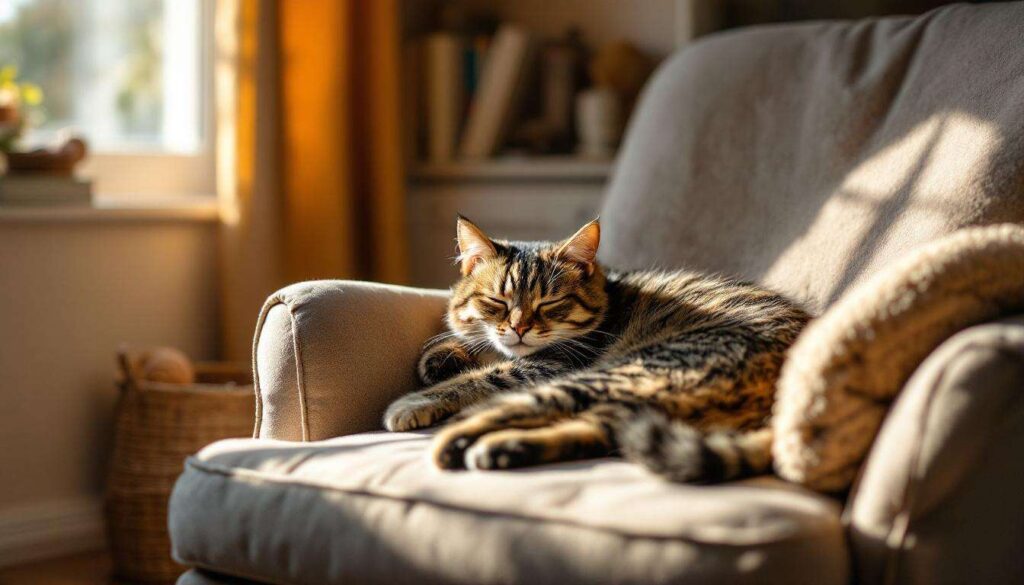
Cats have long fascinated researchers and pet owners alike with their seemingly mysterious ways of choosing favorites within a household. While dogs often shower affection on everyone equally, felines typically form a stronger attachment to one particular person. This selective bonding behavior isn’t random or spiteful but rather stems from a complex interplay of evolutionary traits, sensory preferences, and learned associations that scientists are now beginning to understand more clearly.
Understanding cat behavior
The evolutionary roots of feline independence
Unlike dogs, which evolved as pack animals requiring social hierarchies, cats descended from solitary hunters who maintained independent territories. This ancestral background explains why felines approach relationships more selectively than their canine counterparts. Research published in behavioral science journals indicates that cats retain many wild instincts despite thousands of years of domestication, making them naturally cautious about whom they trust.
The domestic cat’s relationship with humans developed differently than the dog-human bond. While dogs were actively bred for companionship and work, cats essentially domesticated themselves by choosing to live near human settlements where rodents were plentiful. This self-domestication process created animals that value autonomy and personal choice in their social interactions.
How cats communicate their preferences
Feline communication operates on subtle frequencies that many people overlook. Cats express their attachment through behaviors such as:
- Slow blinking, which signals trust and contentment
- Head bunting or rubbing against a person’s legs
- Following their chosen person from room to room
- Bringing “gifts” such as toys or prey
- Vocalizing more frequently in their presence
- Seeking lap time or sleeping near them
These behaviors aren’t distributed equally among household members. Cats deliberately choose when and with whom to engage, making their preferences quite apparent to observant owners. This selectivity in social bonding naturally leads to questions about what factors influence these choices.
Factors influencing the choice of a human companion
Personality compatibility matters
Research from animal behavior specialists reveals that personality matching plays a significant role in cat-human bonding. Cats gravitate toward individuals whose temperament complements their own. A reserved, quiet cat might prefer someone who respects their space, while a more social feline may bond with an outgoing, interactive person.
| Cat Personality Type | Preferred Human Traits | Bonding Likelihood |
|---|---|---|
| Shy/Reserved | Calm, patient, quiet | High |
| Playful/Active | Energetic, engaging, responsive | Very high |
| Independent | Respectful of boundaries | Moderate |
| Affectionate | Demonstrative, available | Very high |
Early socialization experiences
The critical socialization period for kittens occurs between two and seven weeks of age. Cats who experienced positive interactions with diverse people during this window typically become more sociable adults. However, even well-socialized cats often form a primary attachment to one person who reminds them of positive early experiences or who most closely matches their comfort preferences.
These foundational experiences and personality factors work together with more immediate, daily interactions to shape bonding patterns.
The importance of attention and interaction
Quality time versus quantity
Contrary to popular belief, cats don’t necessarily bond most strongly with whoever spends the most time at home. Instead, they respond to the quality of interactions they receive. A person who works long hours but engages in focused play sessions and attentive petting when home may win a cat’s favor over someone constantly present but distracted or inconsistent in their attention.
Recognizing and respecting boundaries
Cats particularly appreciate humans who understand feline body language and respect their boundaries. People who force interactions, pick up cats when they’re not receptive, or ignore signs of overstimulation often find themselves less favored. The preferred person typically demonstrates these qualities:
- Reading and responding to the cat’s mood signals
- Allowing the cat to initiate contact
- Ending interactions before the cat becomes irritated
- Providing attention on the cat’s schedule rather than demanding it
- Understanding when the cat needs solitude
Consistency in caregiving routines
Cats are creatures of habit who thrive on predictability. The household member who consistently provides meals, maintains the litter box, or engages in regular play sessions often becomes the preferred companion. This reliability creates positive associations and builds trust over time, forming the foundation for a strong bond. Beyond these behavioral factors, cats also respond to sensory information that humans may not consciously consider.
Cats’ sensory preferences
Olfactory influences on bonding
A cat’s sense of smell is approximately fourteen times more powerful than a human’s, making scent a crucial factor in their social preferences. Cats may favor individuals whose natural scent they find appealing or comforting. Personal care products, detergents, and even diet can influence how a person smells to a cat. Some felines show preferences for people who use unscented products or whose natural pheromones they find particularly attractive.
Voice tone and volume preferences
Feline hearing extends into ultrasonic ranges, making them highly sensitive to vocal characteristics. Research indicates that cats respond more positively to:
- Higher-pitched voices, similar to kitten vocalizations
- Softer speaking volumes rather than loud or booming voices
- Calm, soothing tones without sudden changes in pitch
- Consistent vocal patterns they can learn to recognize
People with naturally gentle, higher-pitched voices may have an advantage in bonding with cats, though anyone can adjust their communication style to be more feline-friendly.
Touch sensitivity and handling preferences
Not all hands are created equal from a cat’s perspective. Gentle, confident handling wins feline approval far more than rough or tentative touching. Cats prefer people who pet them in their favorite spots—typically the cheeks, chin, and base of the ears—while avoiding sensitive areas like the belly or tail base unless the cat specifically solicits such attention. The household dynamics and overall environment also shape these individual preferences.
The impact of the family environment
Multi-cat households and competition
In homes with multiple cats, competition for resources and attention can influence bonding patterns. Some cats deliberately choose different favorite people to avoid conflict, essentially dividing household members among themselves. This territorial approach to human relationships reduces stress and creates a more harmonious multi-cat environment.
Children and feline relationships
Young children often struggle to become a cat’s favorite person despite their enthusiasm. This occurs because children typically:
- Move unpredictably and make sudden loud noises
- Have difficulty reading subtle feline body language
- Want to interact when the cat prefers solitude
- May handle cats too roughly or inappropriately
However, children who learn proper cat interaction skills can develop wonderful bonds with felines, especially when supervised and taught to respect the cat’s needs and boundaries.
Household stress and cat preferences
Cats are remarkably sensitive to household tension and emotional atmospheres. They often gravitate toward the calmest, most emotionally stable person in the home. During periods of family stress, a cat might shift their primary attachment to whoever provides the most consistent, peaceful presence. This adaptability demonstrates feline emotional intelligence and their need for security. Understanding these environmental factors can help household members who wish to strengthen their relationship with the family cat.
Tips to strengthen the bond with your cat
Become the food provider
Taking over feeding responsibilities creates powerful positive associations. Cats quickly learn to associate specific people with the appearance of meals, one of their most valued resources. Consistency matters here—feeding at the same times daily builds trust and anticipation.
Engage in interactive play sessions
Daily play sessions using wand toys, laser pointers, or feather toys tap into a cat’s hunting instincts while building your bond. Aim for two fifteen-minute sessions daily, allowing your cat to “catch” the prey occasionally to prevent frustration. This dedicated playtime demonstrates that you understand and cater to their natural needs.
Create positive associations through treats
Strategic treat-giving reinforces your relationship without overfeeding. Offer small, high-value treats when:
- The cat approaches you voluntarily
- They respond to their name
- After grooming sessions or nail trims
- During training exercises
- When they display calm, relaxed behavior in your presence
Respect their communication signals
Learning to read feline body language transforms your interactions. Understanding when your cat wants attention versus solitude builds mutual respect. Watch for flattened ears, twitching tails, or dilated pupils that signal overstimulation, and give space accordingly. Cats remember and appreciate people who honor their boundaries.
Provide comfort and security
Position yourself as a source of safety by remaining calm during stressful situations like thunderstorms or veterinary visits. Speak soothingly, offer hiding spots, and never force interactions during fearful moments. Cats develop deep bonds with people who help them feel secure and protected rather than vulnerable.
Feline favoritism reflects a sophisticated decision-making process influenced by personality compatibility, interaction quality, sensory preferences, and environmental factors. Rather than taking a cat’s choice personally, household members can use this research-backed understanding to build stronger relationships with their feline companions. By respecting boundaries, providing consistent positive interactions, and meeting cats’ physical and emotional needs, anyone can potentially become their cat’s preferred person. The key lies in patience, observation, and adapting your approach to match your individual cat’s unique personality and preferences.