



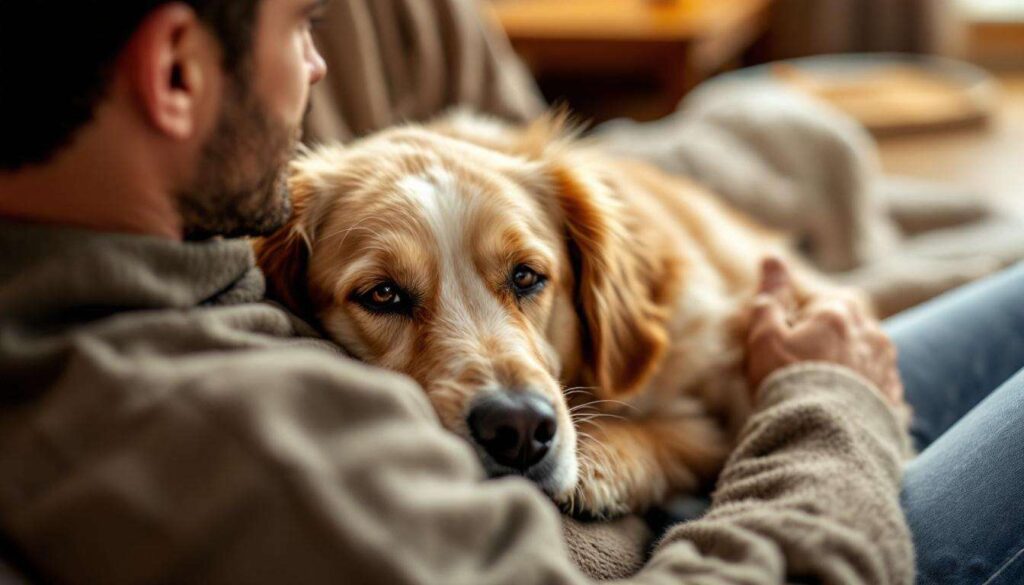
Dogs communicate through a rich repertoire of physical gestures, and one of the most endearing behaviors many owners experience is when their canine companion gently rests their head on their lap. This seemingly simple action carries profound meaning in the complex world of dog-human relationships. While it might appear to be just a comfortable position, this gesture reveals layers of emotional connection, trust, and communication that deserve closer examination. Understanding what your dog is truly expressing when they place their head on your lap can deepen your relationship and help you respond appropriately to their needs.
Understanding canine body language
The fundamentals of dog communication
Dogs rely heavily on non-verbal communication to express their feelings and intentions. Unlike humans who primarily use spoken language, canines have developed an intricate system of physical signals that include tail position, ear placement, facial expressions, and body posture. When interpreting any single gesture, it’s essential to consider the complete context of the dog’s overall body language.
The head placement on a lap represents just one component of a broader communication pattern. Observing accompanying signals provides valuable insight into what your dog is truly conveying:
- Relaxed body posture typically indicates contentment and trust
- Soft, unfocused eyes suggest a calm emotional state
- Gentle tail wagging demonstrates positive feelings
- Relaxed ears positioned naturally show comfort
- Slow breathing patterns reveal a sense of security
Physical proximity as communication
In the canine world, physical closeness serves as a primary method of establishing and maintaining social bonds. Wild canids and domesticated dogs alike use proximity to strengthen pack relationships and demonstrate affiliation. When your dog chooses to rest their head on your lap, they’re engaging in a behavior rooted in their ancestral need for social connection and pack cohesion.
This gesture also reflects the domestication process that has shaped dog behavior over thousands of years. Dogs have evolved to seek human contact in ways that wolves and other wild canids do not, making them uniquely attuned to forming close physical bonds with their human families.
Beyond simple communication, these physical gestures help establish the framework for understanding the deeper emotional connections that exist between dogs and their owners.
The emotional bond between the dog and its owner
Expressions of love and affection
When a dog places their head on your lap, they’re often demonstrating genuine affection and attachment. Research in canine behavior has shown that dogs experience emotional states similar to human feelings, including love, joy, and contentment. This head-resting behavior frequently occurs during moments of relaxation and indicates that your dog feels emotionally connected to you.
The release of oxytocin, often called the “love hormone,” occurs in both dogs and humans during positive physical interactions. This biochemical response strengthens the bond between you and your pet, creating a feedback loop of affection and attachment that benefits both parties.
Seeking comfort and reassurance
Dogs often seek physical contact with their owners when they need emotional support. Stressful situations, unfamiliar environments, or anxiety-inducing stimuli can prompt your dog to rest their head on your lap as a way of finding comfort and security. This behavior demonstrates that your dog views you as a source of safety and protection.
| Situation | Dog’s Emotional State | Meaning of Head-Resting |
|---|---|---|
| Thunderstorm or fireworks | Anxious, fearful | Seeking comfort and protection |
| Quiet evening at home | Relaxed, content | Expressing affection and bonding |
| After separation | Happy, relieved | Reconnecting and showing attachment |
| New environment | Uncertain, cautious | Seeking reassurance and guidance |
Understanding these emotional dimensions helps explain why dogs also exhibit practical motivations for this common behavior.
The practical reasons behind this behavior
Attention-seeking strategies
Sometimes the motivation behind head-resting is quite straightforward: your dog wants your attention. Dogs quickly learn which behaviors successfully engage their owners, and placing their head on your lap often results in petting, verbal acknowledgment, or other forms of interaction. This learned behavior becomes reinforced each time you respond positively.
If your dog has been ignored or left alone for a period, they may use this gesture to initiate interaction and reconnect with you. It’s their way of politely requesting your focus and engagement.
Physical comfort and warmth
Beyond emotional needs, dogs may rest their head on your lap for purely physical reasons. Your lap provides a comfortable, warm surface that’s often more appealing than the floor or their bed. Dogs naturally seek comfortable resting positions, and your body heat and soft clothing make an ideal pillow.
- Body warmth provides comfort, especially in cooler environments
- Soft fabric of clothing offers cushioning for their head
- Elevated position may be more comfortable than lying flat
- Your scent on clothing provides familiarity and security
Learned behavior and positive reinforcement
Dogs are excellent learners who quickly associate actions with outcomes. If placing their head on your lap consistently results in pleasant experiences like petting, treats, or affectionate words, this behavior becomes strongly reinforced. Over time, your dog learns that this gesture is an effective way to obtain desired responses from you.
These practical motivations work in concert with the deeper psychological factors that make this behavior so meaningful.
The importance of trust and attachment
Signs of a secure bond
When a dog voluntarily places themselves in a vulnerable position by resting their head on your lap, it demonstrates significant trust. In canine social dynamics, exposing vulnerable body parts or adopting relaxed postures near another individual signals confidence in that relationship. Your dog’s willingness to be this physically close and unguarded indicates they feel completely safe in your presence.
This behavior is particularly significant because dogs don’t display this level of trust with everyone. The fact that your dog chooses you for this intimate gesture reflects the quality and depth of your relationship.
Building and maintaining trust
The trust demonstrated through head-resting doesn’t develop overnight. It results from consistent, positive interactions that establish you as a reliable and caring presence in your dog’s life. Maintaining this trust requires ongoing attention to your dog’s needs and respectful treatment of their boundaries.
Recognizing the trust inherent in this gesture naturally leads to questions about how best to respond when your dog displays this behavior.
How to respond to this behavior
Appropriate positive responses
When your dog rests their head on your lap, responding appropriately strengthens your bond and reinforces positive behavior. Gentle acknowledgment through soft petting, calm verbal praise, or simply allowing them to remain in that position communicates acceptance and affection.
- Stroke their head or ears gently
- Speak in a calm, soothing voice
- Allow them to remain as long as comfortable
- Maintain relaxed body language yourself
- Avoid sudden movements that might startle them
Setting boundaries when necessary
While this behavior is generally positive, there may be times when you need to establish boundaries. If you’re busy, eating, or engaged in activities incompatible with having a dog’s head on your lap, it’s acceptable to gently redirect your dog to another comfortable location. The key is doing so kindly without punishing the behavior itself.
Teaching your dog a command like “off” or “go to your bed” provides a gentle way to redirect them while maintaining your positive relationship. Always follow redirection with praise when they comply to reinforce appropriate responses to your requests.
While most instances of head-resting are perfectly normal, certain situations warrant closer attention to ensure your dog’s wellbeing.
When to worry about your dog’s behavior
Distinguishing normal from concerning behavior
Most of the time, a dog resting their head on your lap is completely normal and healthy. However, sudden changes in frequency or intensity of this behavior might indicate underlying issues. If your typically independent dog suddenly becomes clingy or a usually affectionate dog stops seeking contact, these changes deserve attention.
Signs that may indicate problems
Certain accompanying behaviors or circumstances suggest that head-resting might signal distress or health concerns rather than simple affection:
- Excessive clinginess combined with whining or restlessness
- Head-resting accompanied by trembling or panting
- Sudden onset of this behavior in a previously aloof dog
- Persistent seeking of contact despite obvious discomfort
- Head-resting combined with lethargy or loss of appetite
When to consult a professional
If you notice significant behavioral changes or if head-resting is accompanied by signs of distress, consulting a veterinarian or certified animal behaviorist is advisable. Physical discomfort, anxiety disorders, or medical conditions can sometimes manifest through changes in contact-seeking behavior.
Professional evaluation can help determine whether your dog’s behavior reflects normal bonding or requires intervention to address underlying health or behavioral issues.
The simple act of a dog resting their head on your lap encompasses a remarkable range of meanings, from expressions of deep affection and trust to practical comfort-seeking and attention requests. This gesture represents one of the many ways dogs communicate their feelings and needs to their human companions. By understanding the various motivations behind this behavior and responding appropriately, you strengthen the bond with your canine friend while ensuring their emotional and physical needs are met. Paying attention to context, accompanying body language, and any changes in patterns helps you interpret what your dog is truly communicating, allowing you to be the attentive, responsive companion they deserve.