


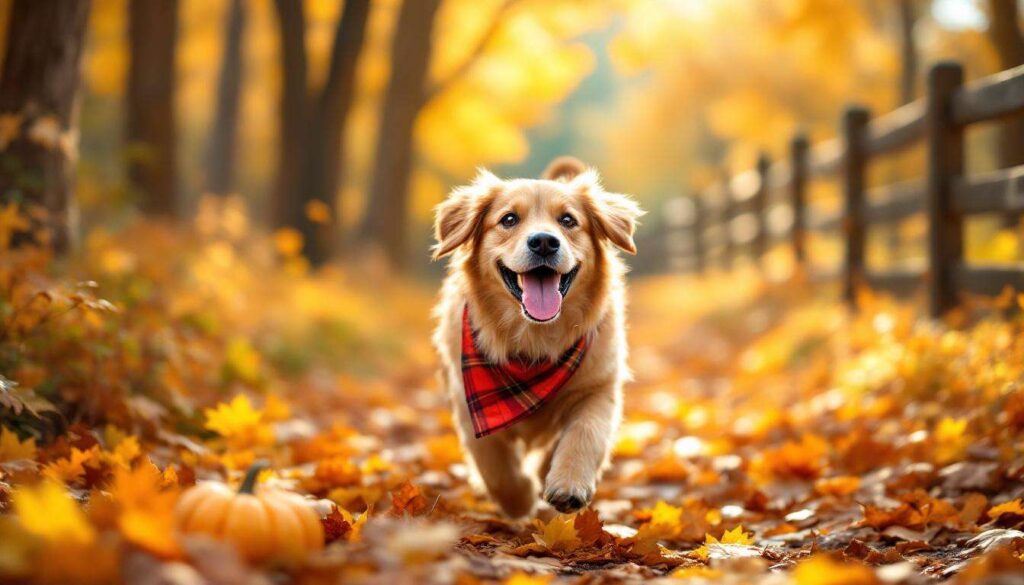
As temperatures begin to drop and leaves start changing colors, pet owners across the United States must adapt their care routines to keep their canine companions healthy and comfortable. Veterinarians emphasize that fall brings unique challenges for dogs, from shifting weather patterns to increased parasite activity. Understanding these seasonal changes and implementing proper preventive measures can make a significant difference in your dog’s well-being. The following expert-recommended strategies will help you navigate the autumn months while ensuring your pet remains happy, healthy, and protected from seasonal hazards.
Preparing your dog’s coat for fall
Understanding seasonal coat changes
Dogs naturally undergo coat transitions as seasons change, with many breeds developing thicker fur to prepare for colder months. This process, known as seasonal shedding, typically intensifies during September and October. Veterinarians recommend increasing grooming frequency during this period to remove dead hair and promote healthy coat growth. Regular brushing not only helps manage shedding but also distributes natural oils throughout the coat, providing better insulation and protection against autumn weather elements.
Grooming techniques for fall preparation
Proper grooming during fall requires specific attention to your dog’s individual coat type. Consider the following breed-specific approaches:
- Double-coated breeds like German Shepherds and Golden Retrievers benefit from daily brushing with an undercoat rake
- Short-haired breeds such as Beagles and Boxers need weekly brushing to remove loose hair and stimulate skin health
- Long-haired breeds including Shih Tzus and Yorkshire Terriers require professional grooming every six to eight weeks
- Wire-haired breeds like Terriers may need hand-stripping to maintain proper coat texture
Veterinarians also stress the importance of maintaining proper coat length during fall. While it might be tempting to trim your dog’s coat short for easier maintenance, keeping adequate length provides essential warmth as temperatures decrease. However, matted fur should always be removed, as it can trap moisture and lead to skin infections.
Bathing considerations for autumn
Bath frequency should be adjusted during fall months to avoid stripping essential oils from your dog’s skin. Most veterinarians recommend bathing every four to six weeks unless your dog gets particularly dirty. Using moisturizing shampoos formulated for dogs helps combat the drying effects of indoor heating systems that become active during this season.
Beyond coat maintenance, diet plays a crucial role in supporting your dog’s health through seasonal changes.
Adjusting your dog’s diet for the season
Caloric needs during cooler months
As temperatures drop, many dogs experience increased energy requirements to maintain body temperature. Veterinarians note that active outdoor dogs may need a 10 to 15 percent increase in caloric intake during fall and winter months. However, this adjustment depends on several factors including activity level, breed, age, and whether your dog spends significant time outdoors.
| Dog Activity Level | Recommended Caloric Adjustment | Monitoring Frequency |
|---|---|---|
| Highly active outdoor dogs | 10-15% increase | Weekly weight checks |
| Moderately active dogs | 5-10% increase | Bi-weekly weight checks |
| Indoor or sedentary dogs | No increase or slight decrease | Monthly weight checks |
Nutritional supplements for fall health
Veterinarians frequently recommend incorporating specific supplements during autumn months to support immune function and joint health. Omega-3 fatty acids become particularly important as they help maintain skin moisture and reduce inflammation. Glucosamine and chondroitin supplements benefit older dogs or breeds prone to joint issues, as cooler weather often exacerbates arthritis symptoms.
Hydration remains essential
Despite cooler temperatures, maintaining proper hydration remains critically important for dogs throughout fall. Many pet owners mistakenly reduce water availability when outdoor temperatures drop, but dogs still require consistent access to fresh water. Indoor heating systems can increase dehydration risk, making regular water bowl refills necessary.
While proper nutrition supports internal health, external threats from parasites require equally vigilant attention during autumn.
Protecting your dog from autumn parasites
Fall parasite activity patterns
Contrary to popular belief, parasite threats do not disappear when summer ends. Fleas, ticks, and mosquitoes remain active well into fall, particularly in regions with mild autumn temperatures. Veterinarians report that many pet owners discontinue preventive treatments too early, leaving dogs vulnerable to infestations and diseases. Ticks carrying Lyme disease show increased activity during September and October in many U.S. regions.
Comprehensive prevention strategies
Maintaining year-round parasite prevention represents the most effective approach according to veterinary experts. Key protective measures include:
- Continuing monthly flea and tick preventives through November or December depending on regional climate
- Inspecting your dog thoroughly after walks in wooded or grassy areas
- Keeping grass trimmed short in yards to reduce tick habitat
- Washing bedding regularly in hot water to eliminate any parasites
- Scheduling fall veterinary check-ups to test for tick-borne diseases
Recognizing parasite-related symptoms
Early detection of parasite problems allows for prompt treatment and prevents complications. Watch for excessive scratching, hair loss, skin redness, lethargy, or loss of appetite. If you discover a tick on your dog, remove it immediately using fine-tipped tweezers and monitor the bite site for signs of infection or unusual symptoms over the following weeks.
Just as parasite protection requires adaptation, so does your approach to daily exercise routines as weather conditions change.
Adapting walks to fall temperatures
Optimal walking times during autumn
Fall weather creates ideal conditions for extended outdoor activities with dogs. Cooler temperatures reduce overheating risks, making midday walks more comfortable than during summer months. However, veterinarians recommend adjusting walk schedules as daylight hours decrease, ensuring visibility and safety. Early morning and evening walks require reflective gear or LED collars to maintain visibility to vehicles and other pedestrians.
Weather-appropriate gear and preparation
Certain breeds and individual dogs require additional protection during fall walks. Consider these veterinarian-recommended preparations:
- Small breeds, senior dogs, and those with thin coats benefit from lightweight jackets when temperatures drop below 45°F
- Paw protection becomes important as ground surfaces cool and potentially harbor irritants
- Carrying towels helps dry dogs after walking through wet leaves or morning dew
- Bringing water on longer walks prevents dehydration despite cooler air
Exercise intensity adjustments
While fall temperatures encourage longer walks, veterinarians caution against sudden increases in exercise intensity. Dogs who spent summer months with reduced activity levels need gradual conditioning to prevent injuries. Older dogs and those with joint issues particularly benefit from consistent, moderate exercise rather than sporadic intense activities. Monitoring your dog’s breathing and energy levels during walks helps identify appropriate exercise durations.
Beyond physical activity considerations, seasonal allergies present another health concern that demands attention during autumn months.
Closely monitoring signs of seasonal allergies
Common fall allergens affecting dogs
Autumn brings specific allergens that trigger reactions in sensitive dogs. Ragweed pollen peaks during September and October across most U.S. regions, affecting approximately 15 to 20 percent of dogs according to veterinary dermatologists. Mold spores from decomposing leaves and increased indoor dust mite populations as heating systems activate also contribute to allergic responses during this season.
Identifying allergy symptoms
Recognizing allergy signs allows for timely intervention and relief. Veterinarians advise watching for these common indicators:
- Excessive scratching, particularly around paws, face, and ears
- Red, inflamed skin or hot spots
- Frequent paw licking or chewing
- Watery eyes or nasal discharge
- Recurring ear infections
- Gastrointestinal upset in some cases
Treatment and management approaches
Managing fall allergies requires a multi-faceted approach tailored to your dog’s specific triggers and symptom severity. Veterinarians may recommend antihistamines, medicated shampoos, or immunotherapy for severe cases. At home, wiping your dog’s paws and coat after outdoor activities removes allergens before they spread throughout your living space. Regular vacuuming and air filtration also reduce indoor allergen concentrations.
| Allergy Management Strategy | Effectiveness Level | Implementation Frequency |
|---|---|---|
| Post-walk paw wiping | High | After each outdoor session |
| Weekly medicated baths | Moderate to High | Once weekly |
| Air purifier use | Moderate | Continuous operation |
| Prescription antihistamines | High | As directed by veterinarian |
Creating a comfortable indoor environment complements allergy management and supports overall well-being as dogs spend more time indoors.
Ensuring a comfortable resting space for your dog
Temperature regulation in sleeping areas
As outdoor temperatures fluctuate during fall, maintaining consistent indoor comfort becomes essential for your dog’s rest quality. Veterinarians recommend keeping sleeping areas away from drafty windows and doors while ensuring adequate warmth without overheating. Most dogs sleep comfortably in environments between 68 and 72°F, though individual preferences vary based on breed, age, and coat type.
Bedding considerations for autumn
Upgrading your dog’s bedding for fall provides enhanced comfort and joint support. Orthopedic beds benefit older dogs and large breeds prone to joint issues, which often worsen in cooler weather. Consider these bedding improvements:
- Adding blankets or bed warmers for small breeds and senior dogs
- Elevating beds slightly off cold floors to prevent heat loss
- Choosing washable bedding materials to maintain hygiene as dogs spend more time indoors
- Providing multiple sleeping options in different household areas
Indoor air quality management
Heating systems that activate during fall can reduce indoor air quality and humidity levels, potentially causing respiratory irritation and dry skin in dogs. Veterinarians suggest using humidifiers to maintain humidity between 30 and 50 percent, which supports respiratory health and skin moisture. Regular HVAC filter changes remove dust and allergens that accumulate in ductwork during inactive summer months.
Implementing these fall care strategies creates a comprehensive approach to maintaining your dog’s health and comfort throughout the season. Regular veterinary check-ups during autumn allow professionals to assess your dog’s condition and adjust care recommendations based on individual needs. By staying attentive to seasonal changes and proactively addressing potential issues, you ensure your canine companion thrives during the transition from summer warmth to winter cold. These veterinarian-recommended practices form the foundation of responsible pet ownership, supporting your dog’s physical health, emotional well-being, and quality of life as the seasons change.