


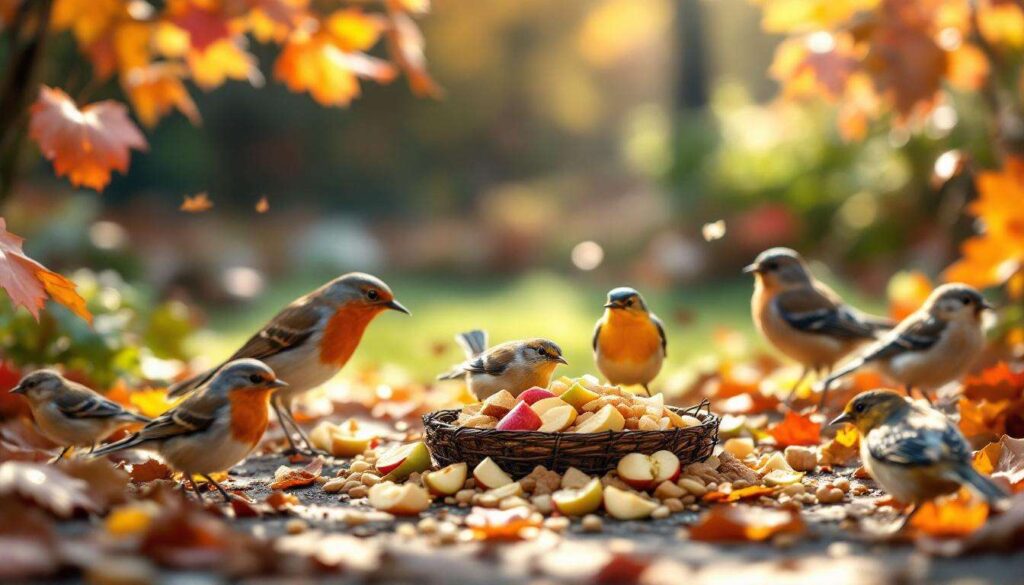
Native birds face significant challenges during autumn months when natural food sources become scarce. Garden enthusiasts and wildlife advocates have discovered that simple kitchen scraps can provide essential nutrition to local bird populations during this critical period. Rather than discarding everyday food waste, homeowners can transform their gardens into vital feeding stations that support native species through seasonal transitions.
The importance of feeding birds in autumn
Seasonal food scarcity challenges
Autumn presents unique nutritional challenges for native bird populations as natural food sources diminish. Insects become less abundant, seeds from summer plants have been consumed, and many berry-producing shrubs have already been stripped bare. Birds require significant energy reserves to prepare for colder weather, making supplemental feeding particularly valuable during this season.
Supporting migration and breeding cycles
Many bird species undergo important biological processes during autumn months. Some prepare for migration journeys requiring substantial fat reserves, while others establish territories for upcoming breeding seasons. Providing consistent food sources helps birds:
- Build necessary fat stores for energy-intensive migrations
- Maintain healthy body condition through seasonal changes
- Establish strong immune systems before winter stress
- Support successful breeding preparations for spring
Understanding these nutritional needs helps explain why autumn feeding programs prove so beneficial for local bird populations.
Local bird species to help in spring
Common garden visitors
Native bird species that frequent gardens during spring months include robins, wrens, finches, and sparrows. These birds actively seek supplemental food sources as they transition from winter survival mode to breeding season. Robins search for protein-rich foods to support egg production, while wrens require high-energy options to fuel their constant activity levels.
Species-specific dietary preferences
Different bird species demonstrate distinct feeding preferences that influence which kitchen scraps prove most effective. Ground-feeding birds like thrushes prefer scattered offerings, while perching species such as finches favor elevated feeding stations. Understanding these preferences maximizes the effectiveness of feeding efforts:
| Bird Species | Preferred Food Type | Feeding Location |
|---|---|---|
| Robins | Mealworms, fruit pieces | Ground level |
| Wrens | Small insects, suet | Low shrubs |
| Finches | Seeds, grain scraps | Elevated feeders |
| Sparrows | Mixed seeds, breadcrumbs | Ground and feeders |
Recognizing which species visit your garden allows for targeted feeding strategies that benefit the most birds.
Which kitchen scraps to use
Safe and nutritious options
Numerous common kitchen scraps provide excellent nutrition for garden birds. Cooked rice, oats, and pasta offer valuable carbohydrates, while cheese rinds supply protein and calcium. Fruit pieces including apples, pears, and berries deliver essential vitamins and natural sugars that fuel bird activity.
Protein-rich scraps
Birds require substantial protein during breeding seasons and migration periods. Kitchen scraps that meet these needs include:
- Cooked egg pieces and crushed eggshells for calcium
- Small amounts of cooked meat scraps without seasoning
- Unsalted nuts and nut pieces
- Dried mealworms saved from cooking projects
Foods to avoid completely
While many kitchen scraps benefit birds, certain items pose serious health risks. Never offer salt-laden foods, chocolate, avocado, raw beans, or anything containing artificial sweeteners. Moldy or spoiled food can cause fatal infections, and large bread pieces may cause choking hazards for smaller species.
Knowing which scraps to offer safely leads naturally to understanding the broader advantages these feeding practices provide.
The benefits of bird food
Supporting biodiversity
Supplemental feeding programs contribute to maintaining healthy bird populations within local ecosystems. When native species thrive, they provide natural pest control by consuming insects that damage gardens and crops. Birds also facilitate seed dispersal, promoting plant diversity throughout neighborhoods and natural areas.
Educational and recreational value
Feeding stations create valuable observation opportunities for families and nature enthusiasts. Children develop appreciation for wildlife through regular bird watching, while adults enjoy the relaxing presence of active bird populations. These interactions foster environmental stewardship and community engagement with conservation efforts.
Economic advantages
Using kitchen scraps for bird feeding reduces household waste while eliminating the need for expensive commercial bird food. This approach supports sustainability goals and demonstrates practical resource management. Gardens with healthy bird populations also experience reduced pest damage, potentially lowering gardening costs.
These multiple benefits extend beyond simple feeding when combined with strategic approaches to attracting diverse species.
How to attract more birds to your garden
Creating diverse feeding stations
Establishing multiple feeding locations accommodates different bird species and reduces competition. Platform feeders suit ground-feeding birds, while hanging feeders attract perching species. Placing feeders at varying heights throughout the garden creates a welcoming environment for diverse populations.
Providing water sources
Birds require fresh water for drinking and bathing throughout all seasons. Shallow dishes, birdbaths, or small fountains encourage regular visits. Maintaining clean water sources proves as important as offering food:
- Change water daily to prevent bacterial growth
- Clean containers weekly with diluted vinegar solution
- Position water sources near protective vegetation
- Ensure shallow depths suitable for small species
Landscaping for bird habitat
Native plants provide natural food sources and shelter that complement supplemental feeding programs. Dense shrubs offer nesting sites and protection from predators, while flowering plants attract insects that birds consume. Creating layered vegetation with ground covers, shrubs, and trees maximizes habitat value.
While attracting birds brings numerous rewards, responsible feeding requires attention to important safety considerations.
Precautions to take when feeding
Maintaining hygiene standards
Regular cleaning of feeding stations prevents disease transmission among bird populations. Remove uneaten food daily, especially in warm weather when spoilage occurs rapidly. Wash feeders and feeding areas weekly using hot water and mild detergent, allowing complete drying before refilling.
Preventing predator access
Feeding stations can inadvertently attract unwanted predators including cats, rats, and larger aggressive birds. Strategic placement protects vulnerable species:
- Position feeders at least five feet from potential predator hiding spots
- Install baffles on feeder poles to prevent climbing access
- Remove spilled food that attracts rodents
- Provide nearby escape routes into protective vegetation
Managing feeding quantities
Offering appropriate food amounts prevents waste and reduces pest attraction. Start with small quantities and adjust based on consumption patterns. Remove uneaten food before nightfall to discourage nocturnal scavengers. Monitor bird activity and scale feeding efforts to match actual demand rather than overprovisioning.
Supporting native bird populations through thoughtful use of kitchen scraps creates sustainable feeding programs that benefit both wildlife and communities. Simple practices like offering appropriate food types, maintaining clean feeding stations, and creating welcoming garden habitats help birds thrive during challenging seasonal transitions. These efforts require minimal investment while delivering significant ecological value, demonstrating how everyday actions contribute to conservation goals. By transforming food waste into valuable nutrition for local species, gardeners participate in meaningful environmental stewardship that strengthens connections between human spaces and natural ecosystems.