



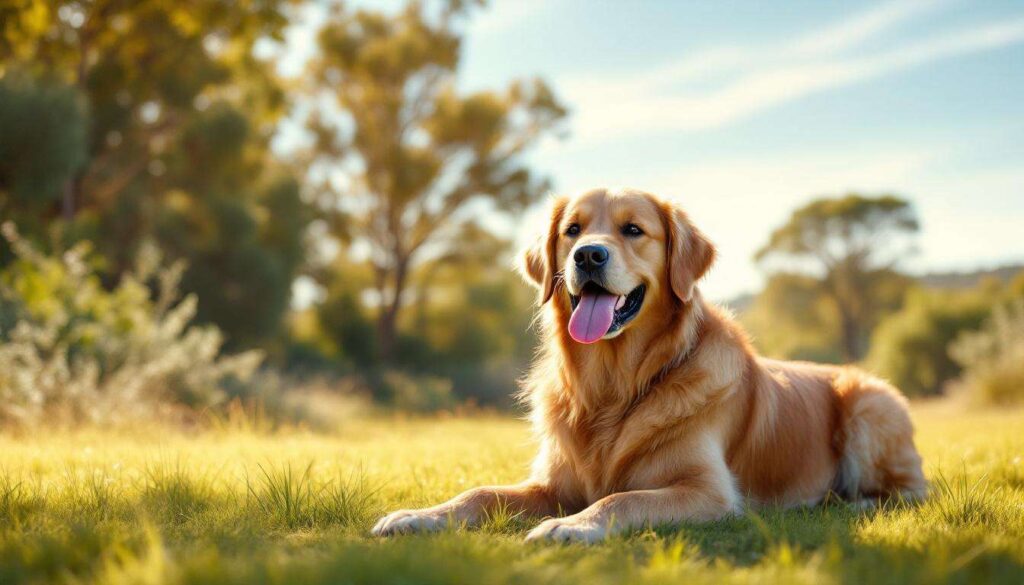
Australia’s sweltering late summer temperatures pose a serious threat to dogs, who lack the efficient cooling mechanisms humans rely on. While many owners recognize the dangers of extreme heat, the subtle warning signs of heat stress often go unnoticed until a medical emergency develops. Veterinary clinics across the country report a surge in heat-related cases during this period, with some proving fatal despite intervention. Recognizing the early indicators of heat stress and understanding how to respond can mean the difference between a quick recovery and irreversible organ damage. Every dog owner must equip themselves with this potentially life-saving knowledge.
Understanding heat stress in dogs
How dogs regulate body temperature
Dogs primarily cool themselves through panting, a process far less efficient than human sweating. When a dog pants, moisture evaporates from the tongue, nasal passages, and lungs, creating a cooling effect. Unlike humans who have sweat glands distributed across their entire body, dogs possess only minimal sweat glands located in their paw pads. This limited cooling capacity makes them exceptionally vulnerable to heat-related conditions when environmental temperatures rise or humidity levels prevent effective evaporation.
Risk factors that increase vulnerability
Certain dogs face heightened risks when exposed to warm conditions. Understanding these factors helps owners take appropriate precautions:
- Brachycephalic breeds: bulldogs, pugs, and boxers with shortened airways struggle to pant effectively
- Thick-coated breeds: huskies, malamutes, and similar dogs bred for cold climates retain excessive body heat
- Age extremes: puppies and senior dogs have compromised thermoregulation systems
- Obesity: excess body fat acts as insulation, trapping heat and reducing cooling efficiency
- Pre-existing conditions: heart disease, respiratory problems, and certain medications impair heat tolerance
Environmental conditions also play a critical role. High humidity prevents moisture evaporation during panting, while direct sunlight and confined spaces without ventilation create dangerous microclimates. These factors combine to create scenarios where heat stress develops rapidly, sometimes within minutes.
The consequences of heat stress on canine health
Progression from heat stress to heat stroke
Heat stress exists on a continuum, beginning with mild discomfort and potentially escalating to life-threatening heat stroke. The initial stage involves elevated body temperature, typically between 39.4°C and 40.5°C, accompanied by excessive panting and increased thirst. Without intervention, the condition progresses as the body’s cooling mechanisms become overwhelmed. Heat stroke occurs when core temperature exceeds 41°C, triggering a cascade of physiological failures that can prove fatal within hours.
Organ damage and long-term effects
Elevated body temperatures cause protein denaturation and cellular destruction throughout the body. The following table illustrates how different organ systems suffer damage at various temperature thresholds:
| Body Temperature | Affected Systems | Potential Damage |
|---|---|---|
| 40-41°C | Gastrointestinal | Increased permeability, bacterial translocation |
| 41-42°C | Cardiovascular | Arrhythmias, decreased cardiac output |
| 42°C+ | Neurological | Seizures, cerebral edema, permanent brain damage |
| 43°C+ | Multi-organ | Kidney failure, liver necrosis, disseminated intravascular coagulation |
Dogs who survive severe heat stroke may face lasting complications including chronic kidney disease, neurological deficits, and cardiac abnormalities. Recovery often requires intensive veterinary care, extended hospitalization, and ongoing monitoring for secondary complications. Understanding these severe consequences underscores the importance of recognizing early warning signs before irreversible damage occurs.
Warning signs not to ignore
Early indicators of heat stress
The initial symptoms of heat stress appear subtle but demand immediate attention. Excessive panting that seems disproportionate to activity level serves as the primary early warning. This panting often appears rapid and shallow, accompanied by increased drooling and a noticeably bright red tongue and gums. Dogs may also exhibit restlessness, seeking cooler surfaces like tile floors or shaded areas while appearing unable to settle comfortably.
Progressive symptoms requiring urgent action
As heat stress intensifies, more alarming signs emerge that indicate the situation has become critically dangerous:
- Weakness and lethargy: difficulty standing, reluctance to move, or collapsing
- Vomiting and diarrhea: often containing blood due to gastrointestinal damage
- Disorientation: confusion, staggering, or unresponsiveness to commands
- Gum color changes: pale, blue, or brick-red gums indicating circulatory compromise
- Seizures: muscle tremors or full convulsions signaling neurological involvement
- Unconsciousness: complete collapse requiring immediate emergency intervention
Breed-specific variations in symptom presentation
Different breeds may display varying symptom patterns. Brachycephalic dogs often show respiratory distress earlier, with noisy breathing and potential airway obstruction. Working breeds may push through discomfort longer, masking symptoms until collapse occurs suddenly. Recognizing how your specific dog typically responds to heat helps identify when behavior deviates from normal patterns, providing crucial early detection opportunities.
How to respond to heat stress
Immediate cooling measures
When heat stress symptoms appear, rapid cooling becomes the priority while simultaneously seeking veterinary assistance. Move the dog immediately to a shaded or air-conditioned environment. Apply cool water to the groin, armpits, neck, and paw pads where major blood vessels run close to the skin surface. Use room-temperature water rather than ice-cold water, as extreme cold causes blood vessel constriction that paradoxically impairs cooling and may induce shock.
Position fans to increase air circulation around the wet fur, enhancing evaporative cooling. Offer small amounts of cool water if the dog can drink without forcing, but never pour water into the mouth of an unconscious or seizing animal. Continue cooling efforts during transport to the veterinary clinic, monitoring rectal temperature if possible and stopping active cooling once temperature reaches 39.4°C to prevent overcooling.
When to seek veterinary care
Any dog showing signs beyond mild panting requires professional evaluation, even if symptoms improve with initial cooling. Heat stroke causes internal damage that may not manifest immediately, and delayed complications can emerge hours or days later. Contact your veterinarian or emergency clinic immediately if your dog exhibits vomiting, weakness, seizures, or altered consciousness. Time-sensitive treatments including intravenous fluids, oxygen therapy, and medications to prevent organ damage significantly improve survival rates when administered promptly.
Preventing heat stress in your dog
Environmental management strategies
Prevention requires thoughtful planning around temperature patterns and activity scheduling. Walk dogs during early morning or late evening hours when temperatures drop and pavement remains cool enough to avoid paw pad burns. Always provide access to shaded areas and fresh water, replacing water frequently to ensure it stays cool. Never leave dogs in parked vehicles, where interior temperatures can reach lethal levels within minutes even with windows cracked.
Practical prevention techniques
Implementing these strategies significantly reduces heat stress risk:
- Gradual acclimatization: slowly increase heat exposure over weeks rather than sudden prolonged outdoor time
- Weight management: maintain healthy body condition to improve heat tolerance
- Cooling accessories: use cooling vests, mats, or bandanas designed for dogs
- Hydration monitoring: ensure constant water access and encourage drinking during hot periods
- Exercise modification: reduce intensity and duration of physical activity on warm days
- Grooming considerations: regular brushing removes dead undercoat but avoid shaving double-coated breeds
Special considerations for high-risk dogs
Owners of brachycephalic breeds, senior dogs, or those with medical conditions must exercise extra vigilance. Consider indoor exercise alternatives like puzzle toys or training sessions during peak heat periods. Consult your veterinarian about specific precautions related to your dog’s health status and whether medications require adjustment during hot weather. Some dogs may benefit from remaining primarily indoors during late summer heat waves, with brief outdoor bathroom breaks only.
The importance of raising awareness among Australian owners
Current knowledge gaps and misconceptions
Despite Australia’s well-known climate challenges, many dog owners underestimate heat stress risks or believe their pets will self-regulate appropriately. Common misconceptions include assuming dogs will stop playing when overheated, believing fur provides sufficient protection, or thinking only extreme temperatures pose dangers. Research indicates that a significant percentage of heat-related veterinary emergencies involve owners who were unaware their dog was experiencing distress until symptoms became severe.
Community education initiatives
Veterinary organizations, animal welfare groups, and local councils have launched campaigns to improve owner awareness. These initiatives distribute information through multiple channels including social media, veterinary clinics, pet stores, and community events. Educational materials emphasize recognition and prevention, providing practical guidance tailored to Australian conditions. Engaging with these resources and sharing information within dog-owning communities creates a culture of vigilance that protects vulnerable animals across neighborhoods.
Every Australian dog owner carries the responsibility of protecting their companion from heat-related illness through vigilant observation and proactive prevention. Recognizing the early warning signs of heat stress, responding swiftly with appropriate cooling measures, and seeking veterinary care when needed can prevent tragic outcomes. Implement environmental management strategies, adjust activities according to temperature forecasts, and remain especially cautious with high-risk breeds and individuals. Share this knowledge with fellow dog owners, creating a community-wide safety net that ensures all dogs survive and thrive through Australia’s challenging late summer conditions.