


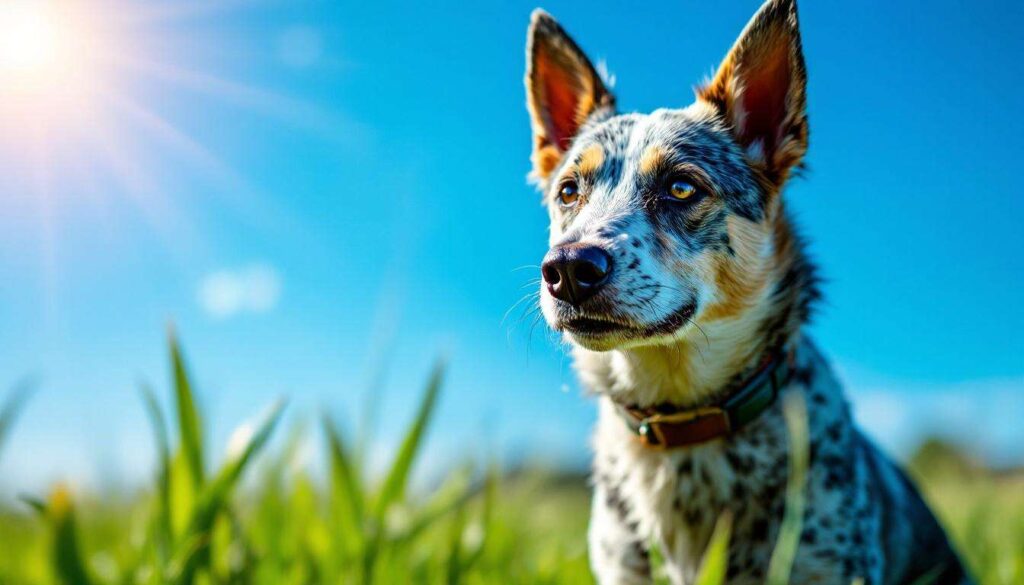
Recent studies examining canine longevity have placed Australian Cattle Dogs at the forefront of breed lifespan rankings, with these robust working dogs consistently outliving many of their canine counterparts. These findings have sparked considerable interest among veterinarians, breeders, and dog owners seeking to understand what sets this breed apart. The data reveals that Australian Cattle Dogs routinely reach ages of 12 to 16 years, with some individuals surpassing even these impressive benchmarks.
The secret to the longevity of Australian Cattle Dogs
Evolutionary breeding for resilience
The exceptional lifespan of Australian Cattle Dogs stems from their origins as working animals bred specifically for endurance and stamina in harsh Australian outback conditions. These dogs were developed in the 19th century through careful crossbreeding of Dingoes, Collies, and other hardy breeds, resulting in a remarkably resilient genetic foundation. The selective breeding process prioritized functional traits over aesthetic considerations, inadvertently creating a breed with fewer inherited health complications.
Natural selection advantages
Unlike many breeds developed primarily for appearance, Australian Cattle Dogs benefited from natural selection pressures that favored:
- Strong cardiovascular systems capable of sustained physical activity
- Efficient metabolism suited to variable food availability
- Robust immune systems to combat environmental pathogens
- Structural soundness minimizing joint and skeletal issues
This foundation of practical breeding has resulted in a breed that maintains vitality well into their senior years, with many individuals remaining active and alert past their twelfth birthday.
Understanding these inherent advantages leads naturally to examining the specific elements that contribute to their remarkable lifespans.
Factors contributing to their lifespan
Physical characteristics promoting longevity
Australian Cattle Dogs possess a medium-sized, compact build that avoids the health complications associated with both giant and toy breeds. Their weight typically ranges between 30 to 50 pounds, a size that correlates with extended lifespans across canine populations. This moderate stature reduces stress on joints and organs while maintaining sufficient body mass for metabolic efficiency.
Mental stimulation requirements
The breed’s high intelligence and working drive necessitate regular mental engagement, which research increasingly links to cognitive health in aging dogs. Australian Cattle Dogs thrive when given tasks and challenges, maintaining neural plasticity throughout their lives. This constant mental activity appears to delay cognitive decline, a factor contributing significantly to their quality of life in later years.
Disease resistance profile
| Health aspect | Australian Cattle Dog status |
|---|---|
| Hip dysplasia incidence | Lower than breed average |
| Cancer rates | Below medium-large breed norms |
| Heart disease susceptibility | Minimal compared to similar breeds |
| Progressive retinal atrophy | Moderate screening recommended |
These health advantages become even more apparent when examining how Australian Cattle Dogs measure up against other popular breeds.
Comparison with other dog breeds
Lifespan rankings across breeds
The breed lifespan rankings demonstrate significant variation across different dog types. Australian Cattle Dogs consistently rank within the top tier, alongside other working and herding breeds known for longevity. In contrast, many popular breeds fall considerably short of these benchmarks due to various health complications.
| Breed | Average lifespan |
|---|---|
| Australian Cattle Dog | 12-16 years |
| Border Collie | 12-15 years |
| Labrador Retriever | 10-12 years |
| German Shepherd | 9-13 years |
| Golden Retriever | 10-12 years |
| Great Dane | 7-10 years |
Size correlation patterns
Research confirms that body size inversely correlates with lifespan in dogs, with smaller breeds generally outliving larger ones. Australian Cattle Dogs occupy an advantageous middle ground, avoiding both the metabolic challenges of giant breeds and the fragility sometimes associated with toy breeds. This positioning contributes substantially to their longevity advantage.
While genetics and breed characteristics establish a foundation for longevity, daily care practices play an equally crucial role in determining actual lifespan outcomes.
Impact of diet and exercise
Nutritional requirements for longevity
Australian Cattle Dogs require high-quality protein sources to maintain their muscular build and energy levels throughout their lives. Their working heritage means they metabolize nutrients efficiently, but this also makes them susceptible to weight gain if caloric intake exceeds activity levels. Optimal nutrition for this breed includes:
- Lean protein sources comprising 25-30% of diet
- Moderate fat content supporting joint health and coat condition
- Complex carbohydrates providing sustained energy
- Omega-3 fatty acids reducing inflammation
- Antioxidants supporting cellular health
Exercise demands and benefits
The breed’s substantial exercise requirements directly contribute to their longevity by maintaining cardiovascular health, healthy weight, and mental stimulation. Australian Cattle Dogs typically need 60 to 90 minutes of vigorous activity daily, far exceeding the needs of many companion breeds. This consistent physical activity prevents obesity-related complications and maintains muscle mass well into senior years.
Weight management considerations
Maintaining appropriate body condition throughout life significantly impacts longevity in Australian Cattle Dogs. Studies show that dogs kept at ideal weight live approximately two years longer than overweight counterparts. Regular monitoring and adjustment of food portions based on activity levels proves essential for maximizing lifespan potential.
Beyond environmental factors, the breed’s genetic makeup provides additional insights into their exceptional longevity.
Genetic predispositions and canine health
Inherited health advantages
The genetic diversity within Australian Cattle Dogs, resulting from their mixed ancestry, provides protection against many hereditary conditions plaguing purebred dogs. This heterozygosity reduces the likelihood of recessive genetic disorders manifesting, contributing to overall health resilience. However, responsible breeding practices remain essential for maintaining these advantages.
Common health concerns
Despite their robust constitution, Australian Cattle Dogs do face certain breed-specific health considerations that owners should monitor:
- Progressive retinal atrophy requiring regular eye examinations
- Congenital deafness affecting approximately 2-3% of puppies
- Hip dysplasia, though less common than in similar-sized breeds
- Portosystemic shunts in rare cases
Preventive health screening
Regular veterinary care and proactive health screening maximize the longevity potential inherent in the breed. Recommended protocols include annual comprehensive examinations, dental care, and age-appropriate diagnostic testing to identify potential issues before they become serious.
Armed with knowledge about breed-specific characteristics, owners can implement practical strategies to further extend their dogs’ lifespans.
Tips for extending your dog’s life
Preventive veterinary care
Establishing a relationship with a knowledgeable veterinarian and maintaining consistent preventive care schedules represents the single most important factor in maximizing canine longevity. This includes vaccinations, parasite prevention, dental care, and age-appropriate health screenings tailored to breed-specific risks.
Mental enrichment strategies
Providing adequate mental stimulation prevents cognitive decline and maintains quality of life in aging dogs. Effective enrichment activities for Australian Cattle Dogs include:
- Training new commands and tricks throughout life
- Puzzle toys and food-dispensing challenges
- Varied walking routes providing novel sensory experiences
- Social interaction with other dogs and people
- Scent work and tracking activities
Environmental factors
Creating a safe, stimulating environment supports both physical and mental health. This includes providing comfortable resting areas, maintaining moderate temperatures, ensuring access to fresh water, and minimizing exposure to toxins and hazards. Regular dental care, including professional cleanings and home maintenance, prevents systemic infections that can shorten lifespan.
Recognizing age-related changes
Adapting care routines as dogs enter their senior years helps maintain quality of life and catch developing health issues early. This includes adjusting exercise intensity, modifying diet composition, providing joint support supplements, and increasing veterinary visit frequency to twice yearly after age seven.
The remarkable longevity of Australian Cattle Dogs results from a combination of favorable genetics, appropriate physical characteristics, and the breed’s working heritage that prioritized function over form. Their consistent placement at the top of breed lifespan rankings reflects centuries of selective breeding for resilience and stamina. While genetics provide the foundation, owners significantly influence actual lifespan through proper nutrition, adequate exercise, mental stimulation, and preventive veterinary care. Understanding these factors empowers dog owners across all breeds to implement strategies that may extend their companions’ lives and enhance their quality throughout those years. The Australian Cattle Dog serves as a model demonstrating how breeding priorities and conscientious care combine to produce truly exceptional canine longevity.