


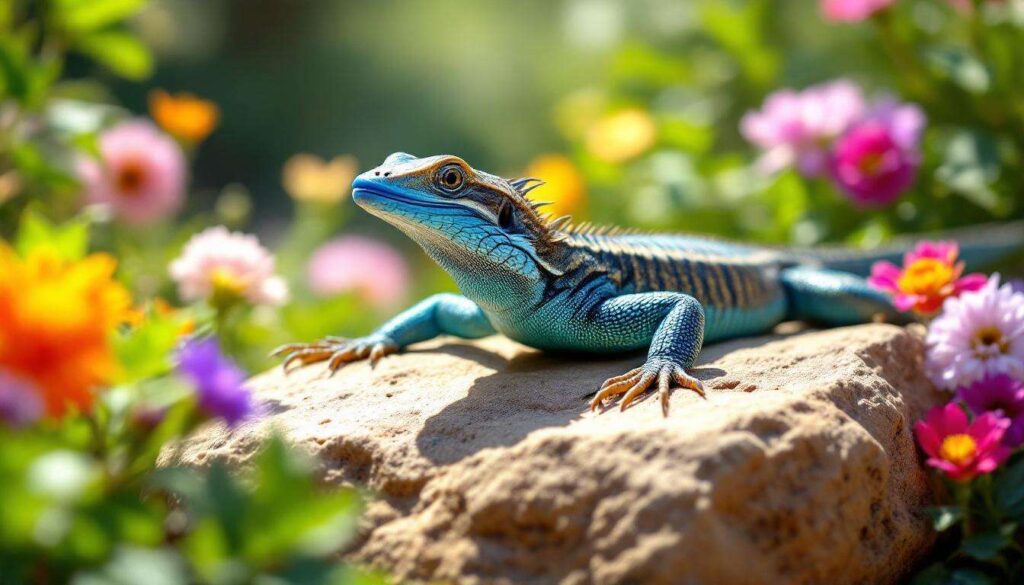
Gardeners often overlook one of nature’s most effective pest controllers lurking right beneath their hedges and garden beds. The blue-tongue lizard, a common reptile found throughout Australia, offers an impressive natural solution to many common garden pest problems. These docile creatures consume a wide variety of garden pests while requiring minimal intervention from homeowners. Understanding their behavior, habitat needs, and ecological contributions can transform your approach to garden management and reduce reliance on chemical pesticides.
Introduction to blue-tongue lizards
Species overview and characteristics
Blue-tongue lizards belong to the genus Tiliqua and represent several species native to Australia. The most commonly encountered species in gardens include the Eastern blue-tongue and the Common blue-tongue. These reptiles typically measure between 30 to 60 centimeters in length, with robust bodies, short legs, and distinctive blue tongues that give them their name. Their coloration varies from grey to brown with darker bands across their backs, providing excellent camouflage among leaf litter and garden debris.
Natural behavior and temperament
These lizards are generally diurnal, meaning they are active during daylight hours when they hunt for food and bask in sunny spots. Blue-tongues are known for their docile nature and slow movement, making them relatively easy to observe and identify. When threatened, they display their bright blue tongue and hiss loudly, but they rarely bite unless severely provoked. Their lifespan can exceed 20 years in favorable conditions, making them long-term garden residents.
Understanding these fundamental characteristics helps gardeners appreciate why blue-tongues make such valuable allies in maintaining a healthy outdoor space.
Role of lizards in pest control
Primary prey and dietary preferences
Blue-tongue lizards function as omnivorous predators with a particular appetite for common garden pests. Their diet includes:
- Snails and slugs that damage seedlings and vegetables
- Caterpillars that feed on ornamental plants
- Beetles and their larvae
- Spiders and other small invertebrates
- Crickets and grasshoppers
Effectiveness compared to chemical alternatives
The pest control services provided by blue-tongues offer several advantages over chemical interventions. Unlike pesticides that kill indiscriminately, these lizards target specific pest species while leaving beneficial insects largely undisturbed. They require no ongoing costs, produce no toxic residues, and work continuously throughout the warmer months. A single blue-tongue can consume dozens of snails and slugs weekly, providing sustained pest management without environmental damage.
| Control method | Cost | Environmental impact | Effectiveness duration |
|---|---|---|---|
| Blue-tongue lizards | Free | Zero negative impact | Ongoing (years) |
| Chemical pesticides | $20-50 per application | Harmful to beneficial insects | Days to weeks |
| Manual removal | Time investment | None | Requires constant effort |
These natural predators integrate seamlessly into garden ecosystems, contributing to a balanced approach to pest management that extends beyond simple control.
Identifying the blue-tongue lizard in your garden
Physical identification features
Recognizing a blue-tongue lizard requires attention to several distinctive characteristics. Look for a thick-bodied reptile with a broad, triangular head and small legs positioned far apart on the body. The scales appear smooth and glossy, arranged in regular bands across the back. The tail is shorter than the body length and tapers gradually. When the mouth opens, the unmistakable bright blue tongue becomes immediately visible.
Common habitats within gardens
Blue-tongues favor specific microhabitats that provide shelter and temperature regulation:
- Dense ground cover and low shrubs
- Compost heaps that generate warmth
- Rock piles and retaining walls with crevices
- Underneath garden sheds or decking
- Leaf litter in undisturbed garden areas
Signs of presence
Even without direct sightings, several indicators suggest blue-tongue activity in your garden. Look for distinctive droppings that appear white-tipped and cylindrical. Disturbed leaf litter with clear pathways may indicate regular movement routes. Empty snail shells clustered in certain areas often mark feeding sites. During warmer months, you might observe these lizards basking on paths or rocks in morning sunlight.
Successfully identifying these reptiles helps gardeners understand their populations and appreciate their ongoing contributions to garden health.
Ecological benefits of lizards
Contribution to biodiversity
Blue-tongue lizards represent an important component of suburban biodiversity. Their presence indicates a relatively healthy ecosystem with adequate food sources and habitat complexity. As mid-level predators, they help maintain balanced invertebrate populations, preventing any single pest species from becoming dominant. This ecological role supports overall garden resilience and reduces the likelihood of pest outbreaks.
Soil health and nutrient cycling
The activities of blue-tongues contribute indirectly to soil improvement. Their droppings add nutrients back into the soil, while their movement through leaf litter accelerates decomposition processes. By consuming large quantities of invertebrates, they help regulate decomposer populations, maintaining optimal rates of organic matter breakdown. This creates a positive feedback loop that enhances soil fertility and structure.
Indicator species value
The sustained presence of blue-tongue lizards serves as an indicator of garden environmental quality. These reptiles require pesticide-free environments, adequate shelter, and diverse food sources. Gardens supporting blue-tongue populations typically demonstrate reduced chemical inputs, varied plantings, and structural complexity. Their presence suggests successful integration of wildlife-friendly practices.
These broader ecological contributions extend the value of blue-tongues well beyond simple pest consumption, positioning them as keystone species in garden ecosystems.
How to create a beneficial habitat
Essential habitat elements
Encouraging blue-tongue lizards requires providing specific habitat features. Establish permanent shelter sites using strategically placed rocks, logs, or purpose-built lizard lounges. Maintain areas of dense ground cover using native grasses and low-growing plants. Leave some leaf litter undisturbed to provide foraging opportunities and temperature-moderated microhabitats. Create sun-exposed basking sites on rocks or paving where lizards can thermoregulate effectively.
Water and food considerations
While blue-tongues obtain most moisture from their prey, providing shallow water dishes during hot weather supports their hydration needs. Position these dishes in shaded locations and refresh water regularly. Avoid using pesticides or snail baits that eliminate their natural food sources. Instead, allow moderate pest populations to persist, providing ongoing nutrition for resident lizards.
Garden design principles
Implement these design strategies to maximize habitat suitability:
- Create connectivity between garden areas using groundcover corridors
- Minimize lawn areas in favor of diverse plantings
- Establish compost areas that generate warmth and attract invertebrates
- Install rock walls or edges that provide crevices and basking surfaces
- Maintain some areas of deliberate untidiness with natural debris
These habitat modifications not only attract blue-tongues but also support numerous other beneficial garden species, creating a more resilient and self-regulating ecosystem.
Precautions and practical advice
Safety considerations for pets
Dogs pose the primary threat to blue-tongue lizards in suburban gardens. Train dogs to avoid lizards and supervise them during outdoor time, particularly in areas where lizards are known to shelter. Cats generally leave adult blue-tongues alone due to their size and defensive display, though young lizards may be vulnerable. Consider installing exclusion fencing around known lizard habitats if pets cannot be reliably trained.
Lawn care and maintenance
Exercise caution when mowing, using whipper-snippers, or moving materials around the garden. Blue-tongues often shelter in long grass or beneath objects and may not move quickly enough to avoid machinery. Check potential hiding spots before disturbing them, and consider leaving some areas unmowed to provide safe refuges. When moving rocks, logs, or pots, lift them carefully and check underneath before proceeding.
Handling and relocation guidelines
Avoid handling blue-tongues unless absolutely necessary. If relocation is required due to immediate danger, use a container or gently guide the lizard using a soft broom. Never pick up lizards by their tails, as this can cause injury. Release relocated lizards in suitable habitat within your property rather than removing them entirely. Remember that these reptiles are protected by law in most Australian jurisdictions, and harming them carries significant penalties.
Seasonal activity patterns
Blue-tongues become inactive during colder months, often sheltering in deep leaf litter, compost heaps, or underground burrows. Avoid disturbing potential hibernation sites from late autumn through early spring. Activity resumes as temperatures warm, with peak visibility occurring during spring and summer months when breeding and feeding activity intensifies.
Adopting a garden lifestyle that accommodates blue-tongue lizards creates an environment where natural pest control operates efficiently year-round. These remarkable reptiles offer gardeners a sustainable, cost-effective, and environmentally sound approach to managing common pests. By providing appropriate habitat, minimizing threats, and allowing these creatures to thrive, you establish a garden ecosystem that functions with minimal intervention. The presence of blue-tongues signals a healthy, balanced outdoor space where wildlife and cultivation coexist productively. Embracing these natural allies represents a significant step toward more ecological gardening practices that benefit both plants and the broader environment.