



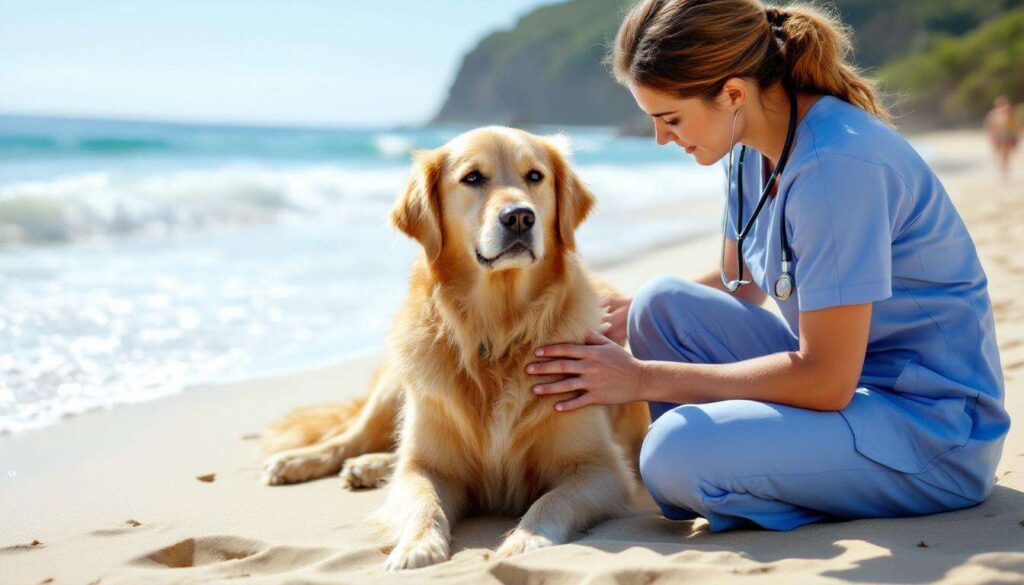
Every summer, veterinary clinics across the country see a surge in emergency cases involving dogs suffering from heatstroke. While most pet owners are aware that hot weather poses risks to their canine companions, a critical symptom often goes unnoticed until it’s too late. Veterinarians, including experts from popular shows like Bondi Vet, have been sounding the alarm about this overlooked warning sign that could mean the difference between life and death for your dog. Understanding what to look for and how to respond can save your beloved pet from serious harm.
Understanding heatstroke in dogs
Heatstroke occurs when a dog’s body temperature rises to dangerous levels, typically above 104 degrees Fahrenheit. Unlike humans who cool themselves primarily through sweating, dogs rely on panting and limited sweat glands in their paw pads to regulate body temperature. This makes them particularly vulnerable to overheating in warm conditions.
How dogs regulate temperature
The canine cooling system is far less efficient than the human one. When a dog pants, moisture evaporates from their tongue, nasal passages, and the lining of their lungs, which helps lower body temperature. However, this mechanism becomes overwhelmed when environmental temperatures soar or when dogs are subjected to strenuous activity in the heat. Certain breeds face higher risks, including brachycephalic dogs like bulldogs, pugs, and boxers whose shortened airways make effective panting difficult.
Temperature thresholds and danger zones
| Body Temperature | Condition | Risk Level |
|---|---|---|
| 101-102.5°F | Normal | Safe |
| 103-104°F | Elevated | Caution |
| 104-106°F | Heat exhaustion | Dangerous |
| Above 106°F | Heatstroke | Critical |
When body temperature exceeds safe levels, cellular damage begins throughout the body, affecting vital organs including the brain, kidneys, liver, and heart. This physiological cascade can progress rapidly, which is why recognizing early symptoms becomes absolutely critical for survival.
Recognizing the full spectrum of symptoms requires knowing what distinguishes ordinary discomfort from a genuine medical emergency.
The warning signs not to ignore
Most dog owners can identify obvious heatstroke symptoms like excessive panting, drooling, and lethargy. However, the symptom that 80% of owners fail to recognize is bright red or dark purple gums. This discoloration indicates that the dog’s circulatory system is under severe stress and struggling to deliver oxygen efficiently throughout the body.
The critical gum color change
Healthy dog gums should be a salmon pink color with a moist texture. When heatstroke develops, gums may initially appear bright red as blood vessels dilate in an attempt to dissipate heat. As the condition worsens, gums can turn dark purple or even blue, signaling that oxygen deprivation has reached dangerous levels. Checking your dog’s gum color takes only seconds but provides vital information about their condition.
Complete symptom checklist
- Excessive panting or difficulty breathing
- Thick, ropy saliva or excessive drooling
- Bright red, dark red, or purple gums and tongue
- Rapid heart rate
- Vomiting or diarrhea, sometimes with blood
- Weakness, collapse, or inability to stand
- Glazed eyes or lack of coordination
- Seizures or tremors
- Unconsciousness
The progression from early symptoms to life-threatening emergency can occur within 15 to 30 minutes under extreme conditions. Dogs left in hot cars face particularly rapid deterioration, as interior temperatures can reach 120 degrees Fahrenheit or higher within minutes, even with windows cracked open.
Understanding why this crucial gum discoloration goes unnoticed by so many owners reveals important gaps in pet care education.
Why the majority of owners miss it
The failure to recognize abnormal gum color stems from several factors that affect how owners monitor their pets’ health during warm weather.
Lack of baseline knowledge
Many dog owners have never examined their pet’s gums under normal circumstances, so they lack a reference point for what healthy gums should look like. Without this baseline, detecting abnormal coloration becomes nearly impossible. Veterinarians recommend that all dog owners familiarize themselves with their pet’s normal gum color during routine interactions, making it easier to spot changes during stressful situations.
Focus on behavioral symptoms
Owners typically watch for behavioral changes like excessive panting or lethargy rather than checking physical indicators. The assumption that a panting dog simply needs water overlooks the possibility that internal systems are already compromised. By the time behavioral symptoms become severe enough to alarm owners, heatstroke may have already progressed to dangerous levels.
Misconceptions about heat tolerance
| Common Myth | Reality |
|---|---|
| Dogs can handle heat like humans | Dogs are more vulnerable due to limited cooling mechanisms |
| Only extreme heat causes problems | Temperatures above 80°F pose risks, especially with humidity |
| Short-haired dogs don’t overheat | All dogs are susceptible regardless of coat type |
| Dogs will stop activity when too hot | Many dogs continue playing despite overheating |
These misconceptions lead owners to underestimate risks and delay seeking veterinary care when symptoms appear. The consequences of this delayed recognition can be devastating for affected animals.
Risks and consequences of untreated heatstroke
When heatstroke goes untreated or treatment is delayed, the resulting damage can be permanent and life-threatening. The body’s organs begin to fail as temperatures remain elevated beyond safe thresholds.
Organ system damage
The kidneys are particularly vulnerable to heat damage. As the body attempts to cool itself, blood flow is redirected away from internal organs toward the skin surface. This reduced perfusion combined with dehydration can lead to acute kidney failure, which may require ongoing treatment or prove fatal. The liver similarly suffers from reduced blood flow and elevated temperatures, potentially developing hepatic dysfunction that compromises the body’s ability to process toxins.
Neurological complications
Brain swelling represents one of the most serious consequences of heatstroke. When body temperature exceeds 107 degrees Fahrenheit, brain cells begin to die, potentially causing seizures, permanent brain damage, or death. Dogs who survive severe heatstroke may experience lasting neurological deficits including coordination problems, behavioral changes, or seizure disorders.
Cardiovascular collapse
- Irregular heart rhythms (arrhythmias)
- Blood clotting disorders (disseminated intravascular coagulation)
- Shock from fluid loss and circulatory failure
- Cardiac arrest in severe cases
The mortality rate for dogs with untreated heatstroke can exceed 50 percent, with many deaths occurring within the first 24 hours. Even with aggressive treatment, some dogs succumb to complications days or weeks after the initial incident. Knowing how to respond immediately can dramatically improve survival odds.
Immediate actions to save your dog
When you suspect heatstroke, every second counts. Taking swift, appropriate action while seeking veterinary care can prevent irreversible damage.
Emergency cooling protocol
Move your dog to a cool, shaded area immediately. Remove any collars or harnesses that might restrict breathing. Begin cooling the dog with lukewarm water rather than ice-cold water, as extreme temperature changes can cause blood vessels to constrict, actually trapping heat inside the body. Focus cooling efforts on the neck, armpits, and groin where major blood vessels are located.
Step-by-step response
- Contact your veterinarian or emergency clinic while beginning cooling measures
- Apply cool (not cold) water to your dog’s body using wet towels or a hose
- Place your dog in front of a fan to enhance evaporative cooling
- Offer small amounts of cool water to drink, but do not force it
- Check gum color and monitor breathing every few minutes
- Transport to veterinary care as quickly as possible, continuing cooling during transport
What not to do
Avoid covering your dog with ice or submerging them in ice water, as this can cause dangerous overcorrection and shock. Do not force water down your dog’s throat, as this can lead to aspiration pneumonia if the dog is disoriented or unconscious. Never delay veterinary care thinking home treatment is sufficient; professional evaluation and treatment are essential even if your dog appears to recover.
While emergency response is critical, preventing heatstroke altogether should be every owner’s primary goal.
Preventing heatstroke: practical tips
Prevention requires vigilance and planning, especially during summer months when temperatures soar.
Environmental management
Never leave your dog in a parked car, even for brief periods. Interior temperatures can rise 40 degrees above outside temperature within an hour. Provide constant access to shade and fresh water when your dog is outdoors. Limit outdoor activities to early morning or evening hours when temperatures are cooler, and always carry water during walks or hikes.
Exercise modifications
| Temperature Range | Recommended Activity Level |
|---|---|
| Below 70°F | Normal exercise appropriate |
| 70-80°F | Moderate caution, shorter sessions |
| 80-90°F | Limit to brief, gentle activities |
| Above 90°F | Indoor activities only |
High-risk situations to avoid
- Exercising during peak heat hours (10 a.m. to 4 p.m.)
- Allowing dogs to play on hot pavement or sand
- Overexertion during fetch or agility activities
- Leaving dogs outside without adequate shade
- Traveling with dogs in uncooled vehicle areas
Cooling strategies
Invest in cooling mats, vests, or bandanas designed for dogs. These products use evaporative cooling or gel inserts to help regulate body temperature. Provide kiddie pools or sprinklers for outdoor cooling options. Freeze treats or toys to give your dog refreshing activities that help lower body temperature. Ensure indoor spaces have adequate air conditioning or fans during hot weather.
Heatstroke represents a preventable tragedy that claims too many canine lives each year. The critical symptom of abnormal gum color provides an early warning system that can save your dog’s life if recognized promptly. By familiarizing yourself with your dog’s normal gum color, monitoring for the complete range of heatstroke symptoms, and taking immediate action when warning signs appear, you can protect your pet from this dangerous condition. Prevention through careful environmental management, modified exercise routines, and cooling strategies remains the best approach. Share this information with fellow dog owners to help raise awareness about this overlooked symptom and reduce the number of dogs suffering from heatstroke complications. Your vigilance and quick response could mean the difference between a close call and a devastating loss.