



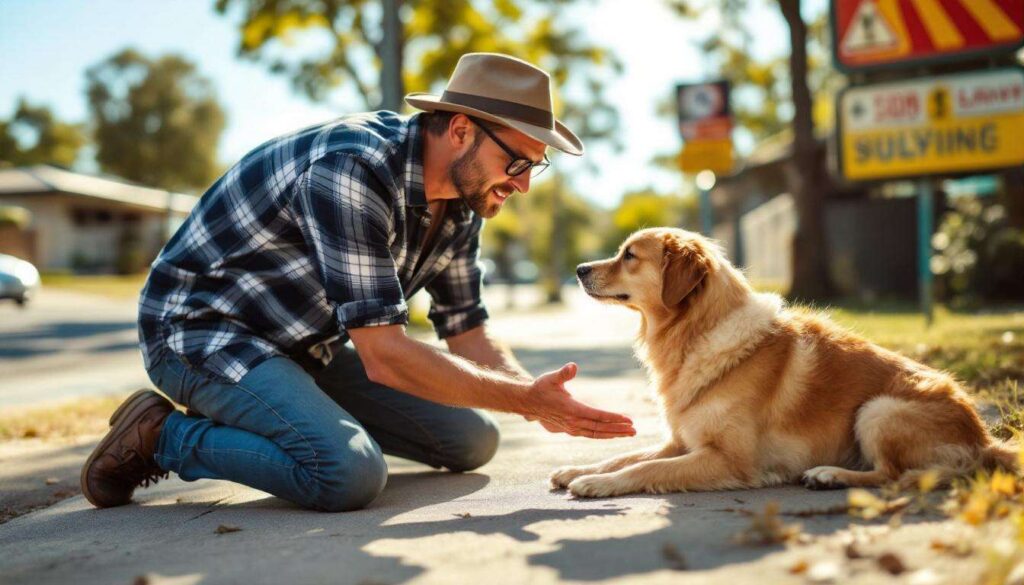
Australian summers bring scorching temperatures that transform everyday surfaces into potential hazards for pets. While dog owners focus on hydration and shade, many overlook a critical danger lurking beneath their feet. Pavement temperatures can soar to dangerous levels, capable of causing severe burns to canine paws within seconds. Understanding this risk and implementing a simple precautionary measure can prevent painful injuries and emergency veterinary visits.
Understanding the danger of hot sidewalks for dogs in summer
Temperature differences between air and pavement
The relationship between ambient temperature and pavement heat creates a dangerous disparity that catches many pet owners off guard. When air temperatures reach 25°C, asphalt can heat to 52°C. At 30°C, pavement temperatures climb to approximately 57°C, and when the mercury hits 35°C, surfaces can exceed 65°C. These extreme temperatures occur because dark surfaces absorb and retain solar radiation far more efficiently than the surrounding air.
Why dogs are particularly vulnerable
Dogs face unique challenges when navigating hot surfaces due to several physiological factors:
- Paw pad composition: while tougher than human skin, paw pads contain sensitive tissue that can burn quickly
- Limited heat dissipation: dogs primarily cool through panting rather than sweating, making them less equipped to handle ground heat
- Proximity to the source: their lower height places them closer to heat radiating from pavement
- Behavioral factors: dogs rely on their owners to recognize danger and may not immediately react to discomfort
Research from veterinary professionals indicates that permanent damage can occur within 60 seconds of contact with surfaces heated to 60°C or above. This narrow window makes prevention absolutely essential rather than reactive treatment.
Recognizing these temperature extremes leads naturally to the question of how owners can quickly assess pavement safety before venturing outside with their companions.
The 5-second test method: how does it work ?
Step-by-step application
The 5-second test provides a simple yet effective method for determining whether pavement is safe for canine paws. Implementation requires only a few moments before each walk:
- Place the back of your hand or bare foot firmly against the pavement surface
- Maintain contact for exactly five seconds
- If the surface feels uncomfortably hot or you cannot keep your hand in place for the full duration, it is too hot for your dog
- Test multiple surfaces as different materials retain heat differently
Scientific basis for the method
The test works because human hand skin shares similar heat sensitivity thresholds with canine paw pads. While paw pads have a slightly higher tolerance due to their keratinized outer layer, the difference is minimal when surfaces reach extreme temperatures. The five-second duration represents the approximate time before tissue damage begins occurring in both humans and dogs.
| Air Temperature | Estimated Pavement Temperature | Risk Level |
|---|---|---|
| 25°C | 52°C | Caution advised |
| 30°C | 57°C | High risk |
| 35°C | 65°C | Severe danger |
| 40°C | 70°C+ | Avoid completely |
Understanding the mechanics of this test provides insight into why such precautions are necessary, which connects directly to the physiological impact heat has on canine paws.
The impact of heat on paws: an underestimated risk
Stages of thermal injury
Thermal burns to paw pads progress through distinct stages, each with increasing severity. First-degree burns cause redness and mild discomfort, while second-degree burns result in blistering and significant pain. Third-degree burns destroy tissue layers completely, potentially requiring surgical intervention and leaving permanent damage.
Long-term consequences
Beyond immediate pain, paw pad burns create complications that extend well beyond the initial injury:
- Infection risk: damaged tissue becomes vulnerable to bacterial invasion
- Mobility impairment: dogs may develop altered gaits to avoid pressure on injured paws
- Behavioral changes: traumatic experiences can create lasting anxiety around walks
- Extended recovery: severe burns may require weeks or months of restricted activity
Warning signs of paw pad burns
Vigilant owners should monitor for these indicators during and after walks on warm days: limping or refusing to walk, excessive licking of paws, darkened or discolored pads, visible blisters or peeling skin, and reluctance to bear weight on affected feet. Early detection significantly improves treatment outcomes and reduces suffering.
Armed with knowledge about potential injuries, responsible pet owners can implement practical strategies to minimize exposure to dangerous surfaces.
Essential precautions to protect your dog
Timing adjustments
Strategic scheduling represents the most effective prevention method. Walking during early morning hours before 8 AM or evening periods after 8 PM allows pavement sufficient time to cool. Overnight temperature drops bring surfaces closer to ambient air temperatures, creating safer conditions for extended outdoor activities.
Protective equipment options
Several products offer physical barriers between paws and hot surfaces:
- Dog boots: provide complete coverage but require acclimation periods
- Paw wax: creates a protective layer while maintaining natural paw function
- Moisturizing balms: strengthen paw pads over time with regular application
Route planning considerations
Thoughtful path selection minimizes exposure to dangerous surfaces. Prioritize routes with grass strips, shaded sidewalks, or tree-lined streets. Parks with natural ground cover provide ideal alternatives to concrete and asphalt. Carrying water not only keeps dogs hydrated but can also cool paws during rest breaks.
When traditional walking routes prove too hazardous, creative alternatives ensure dogs receive necessary exercise without risking injury.
Alternatives to walking on scorching pavements
Indoor exercise options
Physical activity needs do not disappear during heat waves. Indoor alternatives include: treadmill training for high-energy breeds, interactive puzzle toys that provide mental stimulation, indoor fetch in hallways or large rooms, and hide-and-seek games that engage natural hunting instincts.
Water-based activities
Swimming and water play offer excellent exercise while keeping dogs cool. Dog-friendly beaches, designated swimming areas, backyard pools, and even sprinkler play provide safe alternatives. Always supervise water activities and introduce dogs gradually to new aquatic environments.
Climate-controlled facilities
Many communities now offer indoor dog parks and air-conditioned training facilities specifically designed for extreme weather conditions. These venues provide socialization opportunities and exercise without heat exposure risks.
Despite best prevention efforts, accidents can occur, making it essential for every dog owner to understand appropriate first aid responses.
Tips for responding to burns
Immediate first aid steps
Quick action minimizes damage when burns occur. Move the dog to a cool surface immediately, then flush affected paws with cool running water for at least five minutes. Avoid ice or extremely cold water, which can cause additional tissue damage. Pat paws dry gently with clean towels rather than rubbing.
When to seek veterinary care
Professional medical attention becomes necessary when burns show signs of severity: blistering or open wounds, refusal to bear weight on affected paws, signs of infection such as discharge or odor, or if symptoms worsen after 24 hours despite home care.
Home care protocols
For minor burns, veterinarians typically recommend:
- Keeping paws clean and dry
- Applying prescribed antibiotic ointments
- Using protective booties to prevent contamination
- Restricting activity until healing completes
- Monitoring for infection signs daily
Australian summers demand heightened awareness from dog owners regarding pavement temperatures and their potential to cause serious injuries. The 5-second test provides a quick, reliable method for assessing surface safety before each walk. By understanding burn risks, implementing protective measures, adjusting walking schedules, and knowing appropriate emergency responses, pet owners can ensure their companions enjoy summer months safely. Prevention remains far simpler than treatment, making these precautions essential components of responsible pet ownership during hot weather conditions.