



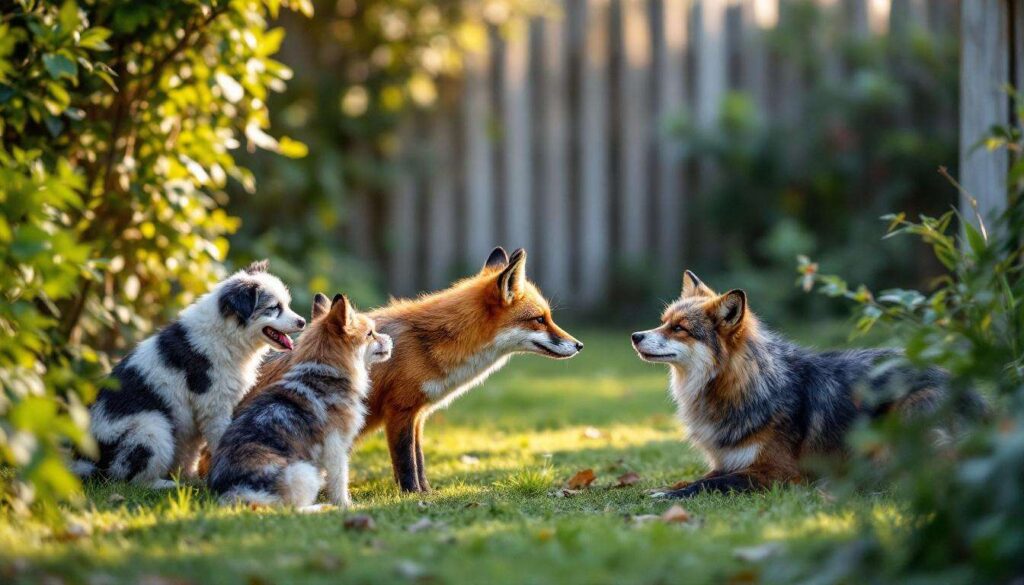
Urban foxes have become increasingly common in Australian cities, creating concerns among pet owners who worry about potential encounters between their beloved animals and these wild visitors. While foxes generally avoid confrontation with humans and larger pets, understanding their behavior and implementing protective strategies can significantly reduce risks to domestic animals. Australian wildlife specialists emphasize that coexistence is possible when pet owners take appropriate precautions and remain vigilant about fox activity in their neighborhoods.
Understanding urban fox behavior
Natural instincts and habitat adaptation
Urban foxes have adapted remarkably well to city environments, finding abundant food sources and shelter in residential areas. These opportunistic omnivores typically hunt during twilight hours and nighttime, though sightings during daylight have become more frequent in densely populated areas. Their diet consists primarily of small mammals, birds, insects, and human food waste, making suburban neighborhoods particularly attractive.
Australian wildlife specialists note that foxes are naturally cautious creatures that prefer to avoid direct contact with larger animals and humans. However, their curiosity and hunger can override this caution, especially when they become habituated to human presence or discover reliable food sources near homes.
Seasonal patterns and activity levels
Fox behavior varies throughout the year, with breeding season occurring from June to August in Australia. During this period, foxes become more territorial and aggressive, increasing the likelihood of encounters with pets. Understanding these patterns helps pet owners anticipate higher-risk periods:
- Breeding season brings increased territorial behavior and vocalizations
- Spring months see juvenile foxes dispersing to establish new territories
- Winter scarcity drives foxes closer to human dwellings seeking food
- Summer heat may alter activity patterns, with more daytime sightings near water sources
Recognizing these behavioral patterns provides pet owners with valuable insight into when extra vigilance becomes necessary, leading naturally to understanding the specific risks foxes pose to domestic animals.
Potential dangers to domestic animals
Risks to small pets and vulnerable animals
Small pets face the greatest vulnerability to fox encounters. Cats, small dogs, rabbits, guinea pigs, and poultry represent potential prey for hungry foxes, particularly when left unsupervised outdoors. Wildlife specialists report that most incidents involve animals weighing under five kilograms.
| Pet Type | Risk Level | Primary Concern |
|---|---|---|
| Small dogs (under 5kg) | High | Predation, especially at night |
| Cats | Moderate to High | Territorial fights, disease transmission |
| Rabbits and guinea pigs | Very High | Direct predation if housed outdoors |
| Chickens and poultry | Very High | Coop raids and predation |
| Medium to large dogs | Low | Occasional confrontations |
Disease transmission and indirect threats
Beyond direct physical harm, foxes can transmit various diseases to domestic animals. Mange, a parasitic skin disease caused by mites, frequently affects urban fox populations and can spread to dogs through direct contact or contaminated environments. Other concerns include:
- Rabies transmission in regions where the disease is present
- Intestinal parasites including roundworms and tapeworms
- Bacterial infections from bites or scratches
- Leptospirosis through contaminated water sources
These health risks underscore the importance of maintaining current vaccinations and parasite prevention for all pets, while also learning to identify when foxes have visited your property.
Signs of fox presence around your home
Physical evidence and tracking indicators
Identifying fox activity around your property enables proactive protective measures. Australian wildlife specialists recommend regularly inspecting yards for telltale signs. Fox droppings typically appear dark and twisted, often containing visible fur, bones, or berry seeds, and measure approximately eight to ten centimeters in length.
Footprints provide another reliable indicator, with fox tracks displaying four toe pads and claw marks in a diamond-shaped pattern, distinctly different from dog prints. Fresh digging in gardens, under fences, or near sheds suggests foxes searching for food or creating dens.
Behavioral signs and auditory cues
Beyond physical evidence, behavioral indicators reveal fox presence:
- Distinctive screaming or barking vocalizations, particularly during breeding season
- Disturbed garbage bins or compost heaps
- Missing pet food left outdoors overnight
- Unsettled behavior in pets, especially cats refusing to go outside
- Strong musky odor near dens or regular pathways
Recognizing these signs allows pet owners to implement appropriate safety measures before dangerous encounters occur.
Preventive measures to protect your pets
Securing outdoor spaces and enclosures
Creating fox-proof barriers represents the most effective protection strategy. Fencing should extend at least 1.5 meters above ground with an additional 30 centimeters buried underground or bent outward at ground level to prevent digging. For chicken coops and rabbit hutches, wildlife specialists recommend:
- Heavy-gauge wire mesh with openings no larger than 2.5 centimeters
- Secure locks on all doors and access points
- Concrete or paver foundations to prevent burrowing underneath
- Covered runs that protect from above, as foxes can climb
Modifying attractants and environmental factors
Eliminating food sources significantly reduces fox visits. Never leave pet food outdoors overnight, secure garbage bins with tight-fitting lids, and remove fallen fruit from trees promptly. Compost bins should be fully enclosed and avoid adding meat or dairy products that attract foxes.
Motion-activated lighting and sprinkler systems create inhospitable environments for foxes, who prefer darkness and quiet when approaching properties. These deterrents work particularly well when combined with removing shelter opportunities such as overgrown vegetation, wood piles, and accessible spaces under decks or sheds.
Supervised outdoor time and routine adjustments
Supervising pets during outdoor activities, especially during dawn, dusk, and nighttime hours when foxes are most active, dramatically reduces encounter risks. Small dogs and cats should remain indoors during these high-risk periods, and all pets should be called inside if fox presence is suspected.
Despite implementing preventive measures, encounters may still occur, requiring pet owners to understand appropriate response protocols.
What to do if a fox approaches your pet
Immediate response strategies
Remaining calm during a fox encounter proves crucial for both human and animal safety. If a fox approaches your pet, make yourself appear large and intimidating by standing tall, waving arms, and making loud noises. Shouting, clapping, or using noise-makers typically causes foxes to retreat, as they instinctively avoid confrontation with humans.
Never attempt to physically separate fighting animals with your hands, as this risks serious injury. Instead, use water from a hose, throw objects near the animals, or create loud disturbances to interrupt the encounter.
Post-encounter procedures
After any fox encounter, immediately inspect your pet for injuries, paying particular attention to:
- Puncture wounds from bites, which may appear small but penetrate deeply
- Scratches or torn skin requiring cleaning and potential medical attention
- Signs of shock including rapid breathing, pale gums, or lethargy
Contact your veterinarian promptly if injuries are discovered, as bite wounds frequently become infected and may require antibiotics. Ensure your pet’s vaccinations remain current, particularly rabies and tetanus immunizations.
While many situations can be managed independently, certain circumstances require professional wildlife intervention.
When to call wildlife professionals
Situations requiring expert assistance
Australian wildlife specialists should be contacted when foxes display unusual behavior suggesting disease or habituation. A fox appearing during daylight hours, showing no fear of humans, or acting disoriented may be ill and pose heightened risks. Never approach or attempt to handle a fox yourself, as this endangers both you and the animal.
Professional intervention becomes necessary when:
- Foxes establish dens under homes or in accessible areas near pets
- Repeated encounters occur despite implementing deterrent measures
- Foxes display aggressive behavior toward humans or pets
- A fox appears injured, diseased, or behaves abnormally
- Multiple foxes congregate regularly on your property
Working with wildlife management services
Licensed wildlife professionals possess the expertise and equipment to safely relocate or manage problem foxes while complying with local regulations. They can assess your property, identify attractants, and recommend specific modifications to reduce future visits. Many services also provide follow-up monitoring to ensure the situation has been resolved effectively.
Protecting pets from urban foxes requires a combination of understanding fox behavior, implementing preventive measures, and knowing when to seek professional assistance. By remaining vigilant, securing outdoor spaces, supervising pets during high-risk periods, and responding appropriately to encounters, pet owners can significantly minimize risks while coexisting with urban wildlife. Australian wildlife specialists emphasize that education and proactive management represent the most effective strategies for keeping domestic animals safe. Regular property inspections, maintaining secure enclosures, and eliminating attractants create environments where pets can enjoy outdoor spaces safely while respecting the presence of native and introduced wildlife in urban ecosystems.