



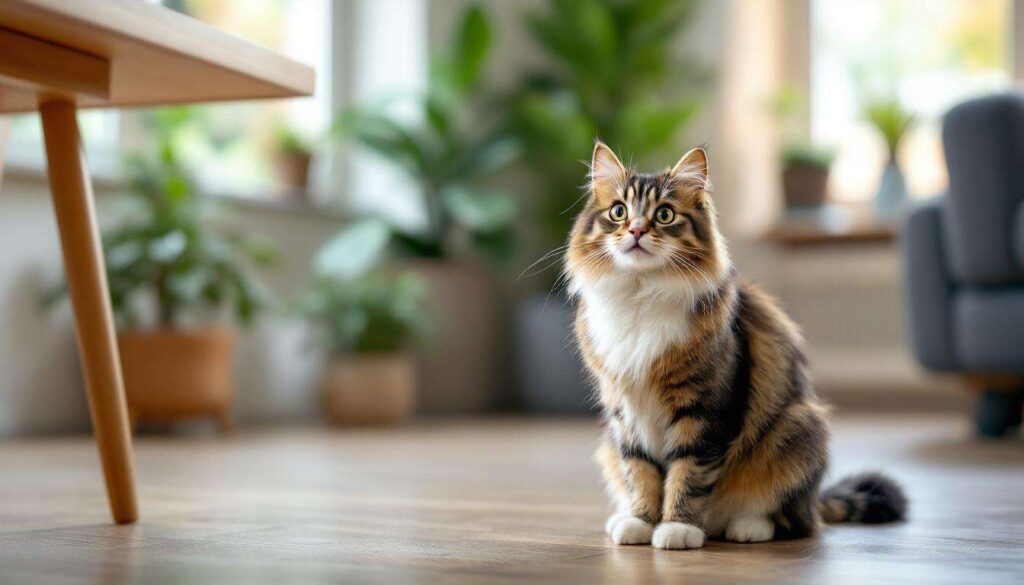
Cats are natural climbers and explorers, driven by instincts that date back thousands of years. While this behavior might have served them well in the wild, it becomes problematic when your beloved feline decides your dining table is the perfect perch. Whether they’re after food scraps, seeking a higher vantage point, or simply enjoying the warmth of a sunny spot, cats jumping on tables can be frustrating for owners. The good news is that with patience and the right strategies, you can redirect this behavior effectively. This guide explores five proven methods to keep your cat off tables while respecting their natural needs and maintaining a harmonious household.
Understanding your cat’s behavior
Why cats are drawn to elevated surfaces
Cats possess an innate desire to climb and observe their surroundings from above. This behavior stems from their ancestral need to spot predators and prey from safe, elevated positions. Tables offer the perfect combination of height, stability, and often interesting smells from food preparation. Understanding that your cat isn’t misbehaving out of spite but following natural instincts is the first step toward addressing the issue constructively.
Common triggers for table jumping
Several factors can encourage your cat to jump on tables:
- Food odors lingering on the surface after meals
- Curiosity about items placed on the table
- Seeking warmth from sunlight streaming through nearby windows
- Lack of alternative elevated spaces in the home
- Attention-seeking behavior when owners are gathered around the table
Identifying which triggers apply to your cat helps you tailor your approach more effectively. Once you understand the motivations behind this behavior, you can begin creating alternative solutions that satisfy your cat’s needs without compromising your living space.
Creating a dedicated space for your feline
The importance of vertical territory
Providing your cat with appropriate climbing alternatives is one of the most effective long-term solutions. Cats need vertical space to feel secure and satisfied in their environment. Without proper outlets for their climbing instincts, they’ll naturally gravitate toward whatever elevated surfaces are available, including your kitchen and dining tables.
Recommended cat furniture options
Invest in cat-specific furniture that meets your pet’s needs:
- Multi-level cat trees positioned near windows for optimal viewing
- Wall-mounted shelves creating a vertical pathway around rooms
- Window perches that provide both height and entertainment
- Sturdy bookcases with designated cat-friendly levels
Place these alternatives strategically in areas where your cat already spends time. If your cat jumps on the dining table during meals, position a cat tree nearby so they can still observe family activities from an acceptable height. This redirection satisfies their desire for elevation while establishing clear boundaries. With attractive alternatives in place, you can now reinforce these boundaries using gentle deterrents.
Using natural cat deterrents
Scent-based solutions
Cats have highly sensitive noses and certain scents naturally repel them. Citrus fruits, particularly lemon and orange, are generally disliked by felines. You can create a simple spray by mixing water with citrus essential oils or fresh citrus juice. Apply this mixture to table surfaces when not in use. Other effective scents include:
- Lavender oil diluted in water
- Eucalyptus spray in moderate concentrations
- Commercial cat deterrent sprays containing natural ingredients
- Fresh rosemary or mint placed in small containers
Texture-based deterrents
Cats prefer smooth, comfortable surfaces for lounging. Making your table surface unpleasant to walk on discourages jumping without causing harm. Consider these options:
| Deterrent Type | Effectiveness | Ease of Use |
|---|---|---|
| Aluminum foil | High | Very easy |
| Double-sided tape | Very high | Moderate |
| Plastic carpet runners (nubs up) | High | Easy |
| Cookie sheets | Moderate | Very easy |
These deterrents work best when combined with positive alternatives. While discouraging unwanted behavior, you should simultaneously reward your cat for making better choices.
Introduction to positive reinforcement
Rewarding desired behaviors
Positive reinforcement is significantly more effective than punishment when training cats. When your cat chooses to sit on their cat tree instead of the table, immediately reward them with treats, affection, or playtime. This creates a positive association with the appropriate behavior, making it more likely to be repeated.
Timing and consistency
The key to successful positive reinforcement lies in timing. Rewards must be delivered within seconds of the desired behavior for your cat to make the connection. All household members should follow the same rules and reward system to avoid confusing your pet. Consider these guidelines:
- Keep treats readily accessible near approved climbing areas
- Use a clicker to mark the exact moment of good behavior
- Provide verbal praise in a consistent, enthusiastic tone
- Never give treats or attention when the cat is on the table
- Redirect gently to appropriate surfaces before rewarding
Avoiding negative associations
Never physically punish your cat for jumping on tables. This creates fear and anxiety without addressing the underlying motivation. Instead, use neutral interruptions like a gentle “no” or a soft hand clap to interrupt the behavior, then immediately redirect to an appropriate surface. When your cat complies, reward them generously. Beyond training techniques, environmental management plays a crucial role in preventing table jumping.
Maintaining a clean and uninteresting table
Eliminating food temptations
One of the simplest yet most overlooked solutions is keeping your table completely clear of food-related items when not actively eating. Wipe down surfaces immediately after meals to remove crumbs and food odors that attract your cat. Store fruit bowls, bread baskets, and other food items in cabinets or the refrigerator rather than leaving them as centerpieces.
Removing attractive objects
Cats are naturally curious creatures. Items on your table can serve as irresistible toys or investigation opportunities. To make your table less appealing:
- Clear decorative items that might be fun to bat around
- Remove papers, magazines, or mail that rustle enticingly
- Avoid leaving clothing, bags, or personal items on the table
- Keep the surface completely bare when possible
A consistently empty, clean table becomes boring to your cat over time, especially when compared to the enriching alternatives you’ve provided. However, some cats may persist despite your best efforts, requiring professional guidance.
Consulting an animal behaviorist as a last resort
When to seek professional help
If your cat continues jumping on tables despite consistent application of these methods for several weeks, it may be time to consult a certified animal behaviorist. Professional intervention becomes particularly important if the behavior is accompanied by other concerning signs such as aggression, excessive vocalization, or destructive tendencies. These could indicate underlying stress, anxiety, or medical issues requiring specialized attention.
What to expect from a consultation
A qualified behaviorist will conduct a thorough assessment of your cat’s environment, routine, and overall behavior patterns. They’ll observe interactions between you and your cat, evaluate your home setup, and may ask detailed questions about your pet’s history. Based on this comprehensive evaluation, they’ll develop a customized behavior modification plan addressing your specific situation. This might include:
- Environmental modifications you haven’t considered
- Advanced training techniques tailored to your cat’s personality
- Recommendations for anxiety-reducing supplements or pheromone products
- Structured implementation schedules with follow-up assessments
Professional guidance ensures you’re not inadvertently reinforcing unwanted behaviors and provides accountability as you work toward your goals.
Successfully keeping your cat off tables requires understanding their natural instincts, providing appropriate alternatives, and implementing consistent boundaries. By combining environmental management with positive reinforcement and gentle deterrents, most cats can learn to respect household rules while still satisfying their climbing needs. Remember that patience is essential as behavioral changes take time to solidify. The strategies outlined here address both the symptoms and root causes of table jumping, creating a solution that benefits both you and your feline companion. When implemented consistently across all household members, these methods create a harmonious living environment where your cat’s needs are met without compromising your space.