


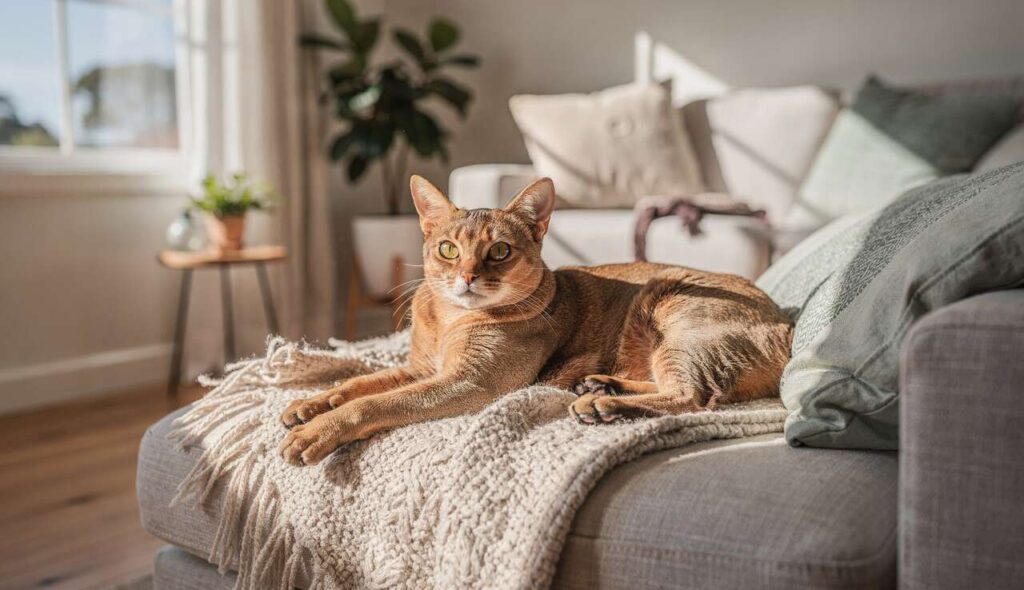
Australian households are witnessing a significant shift in how they care for their feline companions. More cat owners across the country are choosing to keep their pets indoors full-time, marking a departure from traditional practices that allowed cats to roam freely. This trend reflects growing awareness of safety concerns, environmental considerations, and evolving urban landscapes. The decision to transition cats from outdoor explorers to indoor residents stems from multiple factors, including increased traffic dangers, wildlife protection initiatives, and stricter local regulations. Understanding the motivations behind this movement and the implications for both cats and their owners reveals a complex picture of modern pet ownership in Australia.
The reasons behind the rise of indoor cats in Australia
Urban expansion and safety concerns
The rapid urbanization of Australian cities has fundamentally altered the landscape for cat ownership. Increased traffic density, higher building concentrations, and reduced green spaces have made outdoor environments considerably more hazardous for cats. Pet owners in metropolitan areas face heightened anxiety about their cats encountering vehicles, getting lost in unfamiliar territories, or experiencing conflicts with other animals.
- Traffic-related accidents remain the leading cause of injury and death for outdoor cats
- Urban development reduces safe roaming territories
- Population density increases the risk of theft or accidental confinement
- Exposure to diseases from stray or unvaccinated animals
Veterinary recommendations and health benefits
Veterinary professionals increasingly advocate for indoor cat lifestyles, citing substantial health advantages for confined felines. Indoor cats typically enjoy longer lifespans, with reduced exposure to infectious diseases, parasites, and physical injuries. The average lifespan of an indoor cat can exceed 15 years, compared to significantly shorter lifespans for outdoor cats who face numerous environmental hazards.
These health considerations have influenced countless Australian pet owners to reconsider their cats’ access to outdoor spaces, prioritizing longevity and quality of life over traditional freedoms.
The challenges of outdoor cat safety
Predators and wildlife encounters
Australian cats face unique dangers from native wildlife and introduced predators. Encounters with snakes, large birds, and even other territorial cats can result in serious injuries or fatalities. In certain regions, dingoes and foxes pose additional threats to unsupervised domestic cats, particularly during dawn and dusk hours when these predators are most active.
Disease transmission and parasite exposure
Outdoor environments expose cats to numerous health risks that indoor confinement effectively eliminates. Feline immunodeficiency virus, feline leukemia, and various parasitic infections spread primarily through contact with infected animals or contaminated environments.
| Health Risk | Indoor Cats | Outdoor Cats |
|---|---|---|
| Infectious diseases | Low exposure | High exposure |
| Parasite infestation | Minimal risk | Significant risk |
| Physical injuries | Rare | Common |
| Average lifespan | 12-18 years | 2-5 years |
These stark differences in health outcomes have prompted many Australian owners to prioritize protection over outdoor access. Beyond individual cat safety, these health considerations connect directly to broader community responsibilities outlined in regulatory frameworks.
Local legislations on cat ownership
Municipal bylaws and containment requirements
Numerous Australian councils have implemented mandatory cat containment laws, requiring owners to keep their pets on their property at all times. These regulations vary significantly across jurisdictions, with some areas enforcing 24-hour containment while others restrict outdoor access during specific hours, particularly at night when cats pose the greatest threat to wildlife.
- Curfew requirements in many suburban councils
- Mandatory registration and microchipping
- Fines for cats found roaming beyond property boundaries
- Designated cat-free zones near sensitive wildlife habitats
Registration and identification mandates
Australian states have progressively strengthened identification requirements for cats. Microchipping has become mandatory in most jurisdictions, enabling authorities to trace owners of roaming cats and enforce containment regulations. These measures aim to increase owner accountability and facilitate the return of lost pets while simultaneously discouraging outdoor roaming through potential financial penalties.
The enforcement of these legal requirements has significantly influenced owner behavior, with many choosing complete indoor confinement to avoid potential violations. These regulatory pressures align with growing scientific evidence about cats’ impact on native ecosystems.
The environmental impact of cats at large
Predation on native wildlife
Research has revealed the devastating impact of domestic cats on Australian wildlife populations. Studies indicate that roaming cats kill millions of native birds, mammals, and reptiles annually, contributing to the decline of vulnerable species. Australia’s unique fauna, having evolved without feline predators, proves particularly susceptible to cat predation.
| Wildlife Category | Estimated Annual Kills |
|---|---|
| Native birds | 377 million |
| Reptiles | 649 million |
| Mammals | 466 million |
Ecological disruption and biodiversity loss
Beyond direct predation, outdoor cats disrupt ecological balance through territorial behavior and competition with native predators. Their presence can alter the behavior of native species, creating landscape-scale effects that extend beyond immediate hunting activities. Conservation organizations have identified cat predation as a key threatening process for numerous endangered species.
This environmental awareness has motivated many conscientious pet owners to adopt indoor-only practices, recognizing their role in protecting Australia’s unique biodiversity. However, this transition raises important questions about maintaining cats’ psychological and physical health in confined environments.
The comfort and well-being of indoor cats
Behavioral adaptations to indoor life
Contrary to common assumptions, cats can thrive in indoor environments when their needs are properly addressed. Felines are highly adaptable animals capable of adjusting to confined spaces, provided they receive adequate stimulation and resources. Indoor cats often develop strong bonds with their owners and establish comfortable routines within their home territories.
Health monitoring and preventive care
Indoor living facilitates closer health monitoring, enabling owners to detect illness or injury more quickly. Regular veterinary care becomes easier to maintain, and preventive health measures prove more effective when cats remain in controlled environments.
While indoor cats enjoy numerous health advantages, they require deliberate environmental enrichment to prevent boredom and maintain physical fitness. Addressing these needs requires thoughtful planning and consistent implementation of enrichment strategies.
Solutions for enriching indoor cats’ environment
Physical enrichment strategies
Creating a stimulating indoor environment involves providing vertical spaces, hiding spots, and interactive elements that engage cats’ natural instincts. Cat trees, window perches, and climbing shelves allow cats to survey their territory from elevated positions, satisfying their instinctive need for observation and security.
- Multi-level cat furniture for climbing and perching
- Window access for environmental stimulation
- Scratching posts in various textures and orientations
- Rotating toy selection to maintain novelty
- Puzzle feeders to encourage natural hunting behaviors
Mental stimulation and social interaction
Regular play sessions, training exercises, and social engagement prevent behavioral problems associated with boredom and understimulation. Interactive toys that mimic prey movements, treat-dispensing puzzles, and clicker training provide mental challenges that keep indoor cats engaged and satisfied.
Safe outdoor access alternatives
For owners seeking to provide outdoor experiences without the associated risks, enclosed outdoor spaces offer an excellent compromise. Purpose-built catios, enclosed balconies, and secure garden enclosures allow cats to experience fresh air, sunshine, and natural stimuli while remaining protected from dangers and prevented from hunting wildlife.
The growing trend toward indoor cat ownership in Australia reflects a complex interplay of safety concerns, environmental responsibility, and regulatory requirements. As urban environments become increasingly hazardous and awareness of cats’ ecological impact deepens, more owners are choosing to keep their feline companions exclusively indoors. This shift requires commitment to providing enriched environments that meet cats’ physical and psychological needs. With proper planning and consistent enrichment efforts, indoor cats can enjoy fulfilling lives while remaining safe from outdoor hazards and prevented from impacting native wildlife. The movement toward indoor cat ownership represents a maturing understanding of responsible pet stewardship, balancing the needs of individual animals with broader community and environmental considerations.