



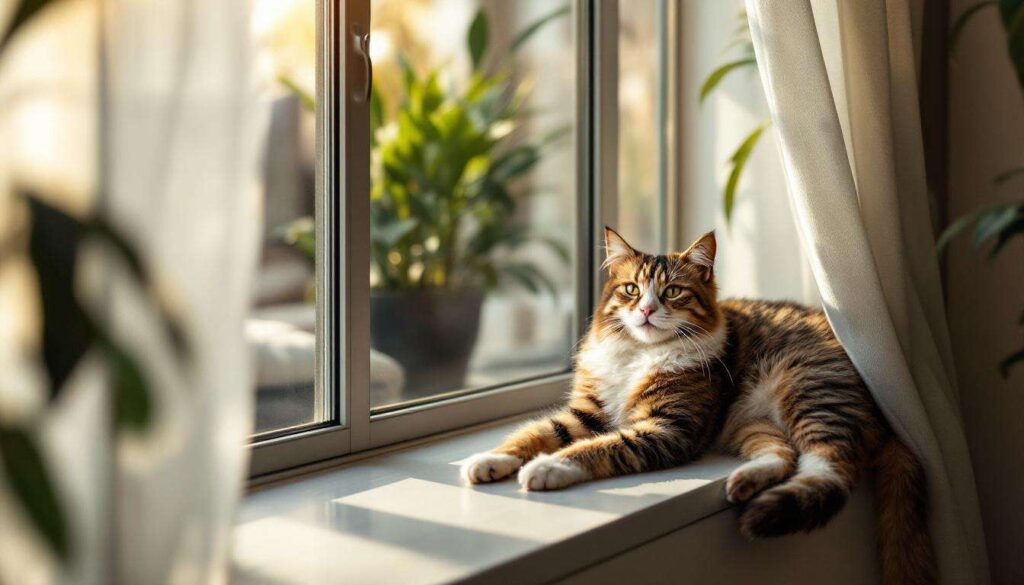
Across suburban homes and city apartments, a quiet revolution is reshaping how Australians care for their feline companions. More pet owners are choosing to keep their cats exclusively indoors, marking a significant shift in pet ownership practices that reflects growing awareness of safety concerns, environmental impact, and evolving community standards. This movement has gained remarkable momentum as veterinarians, wildlife conservation groups, and local councils unite behind a common message: indoor cats live longer, healthier lives while protecting native species from predation. The transformation extends beyond individual households, influencing urban planning, breeding practices, and the very definition of responsible pet ownership in modern Australia.
The growing popularity of indoor cats in Australia
Statistical evidence of the indoor cat trend
Recent surveys indicate that approximately 30 to 40 percent of Australian cats now live exclusively indoors, a figure that has doubled over the past decade. Urban areas show even higher rates, with some metropolitan regions reporting that more than half of registered cats never venture outside unsupervised. This dramatic increase reflects changing attitudes among younger pet owners who view indoor containment as the default rather than the exception.
| Region | Indoor Cat Percentage | Change Over 10 Years |
|---|---|---|
| Metropolitan areas | 52% | +28% |
| Regional cities | 38% | +19% |
| Rural areas | 22% | +8% |
Demographic factors driving adoption
The profile of indoor cat owners reveals distinct patterns. Apartment dwellers naturally lead this trend, with building regulations often mandating indoor containment. However, suburban homeowners increasingly embrace this practice voluntarily, motivated by concerns about traffic dangers, neighbor relations, and wildlife protection. First-time cat owners show particularly high rates of indoor-only arrangements, suggesting that educational campaigns have successfully influenced new generations of pet parents.
Cultural shifts also play a role, as Australians adopt practices common in other developed nations where indoor cats represent the overwhelming majority. Social media communities dedicated to indoor cat enrichment have flourished, creating support networks that normalize and celebrate this lifestyle choice.
Understanding why this trend has accelerated requires examining the concrete advantages that indoor living provides for cats and their human families.
The benefits of keeping your cat indoors
Protection from external threats
The outdoor environment presents numerous hazards that indoor containment effectively eliminates. Traffic accidents remain the leading cause of premature death for outdoor cats, with thousands killed annually on Australian roads. Keeping cats inside removes this risk entirely, along with exposure to aggressive animals, poisonous substances, and cruel individuals who may harm wandering pets.
- Elimination of vehicle collision risks
- Protection from dog attacks and territorial cat fights
- Avoidance of toxic plants, pesticides, and rodent baits
- Prevention of theft or intentional harm
- Reduced exposure to extreme weather conditions
Disease prevention and parasite control
Indoor cats experience significantly lower rates of infectious diseases and parasitic infestations. Feline immunodeficiency virus and feline leukemia, both transmitted through fighting and mating, rarely affect indoor populations. Similarly, fleas, ticks, and intestinal worms become manageable concerns rather than constant battles when cats remain inside controlled environments.
Strengthened human-animal bonds
Owners of indoor cats report stronger relationships with their pets, attributed to increased interaction time and closer observation of behavioral patterns. This proximity allows early detection of health issues and creates opportunities for enriching activities that deepen the connection between species. Indoor cats typically show more consistent temperaments and greater responsiveness to their human family members.
These advantages translate directly into measurable improvements in feline health outcomes and longevity.
Impact on cat health and safety
Lifespan comparisons between indoor and outdoor cats
The statistics speak volumes: indoor cats live an average of 12 to 18 years, while outdoor cats typically survive only 2 to 5 years. This dramatic difference reflects the cumulative effect of reduced trauma, lower disease exposure, and consistent veterinary care that indoor living facilitates. Some indoor cats reach their twenties, enjoying extended golden years that outdoor counterparts rarely experience.
Reduced injury rates and veterinary costs
Emergency veterinary visits for trauma-related injuries occur far less frequently among indoor cat populations. Owners avoid the financial and emotional burden of treating bite wounds, broken bones, and poisoning incidents. While indoor cats still require routine healthcare, the absence of accident-related expenses makes their overall care more predictable and affordable.
Mental health considerations
Contrary to outdated beliefs, properly enriched indoor environments support excellent feline mental health. Cats demonstrate remarkable adaptability to indoor living when provided with appropriate stimulation. Behavioral problems emerge not from confinement itself but from inadequate environmental complexity, a challenge that conscientious owners readily address through thoughtful habitat design.
- Lower stress levels in controlled environments
- Reduced anxiety from territorial disputes
- Consistent routines supporting emotional stability
- Protection from trauma-induced behavioral changes
Beyond individual cat welfare, the indoor movement addresses broader ecological concerns that have gained prominence in Australian conservation discussions.
Conservation of local wildlife
The predation problem quantified
Australian cats kill an estimated 377 million birds and 649 million reptiles annually, according to research published by Australian wildlife authorities. Even well-fed domestic cats retain strong hunting instincts, and their predation significantly impacts vulnerable native species. Small marsupials, ground-nesting birds, and reptiles face particular pressure in areas with high outdoor cat populations.
Threatened species protection
Multiple Australian species face extinction threats exacerbated by cat predation. The northern quoll, bilby, and numerous small bird species struggle to maintain populations in regions where outdoor cats hunt freely. Conservation biologists identify cat containment as a critical intervention for protecting these irreplaceable elements of Australia’s unique biodiversity.
| Species Category | Annual Predation Estimate | Threatened Species Affected |
|---|---|---|
| Native birds | 377 million | 28 species |
| Reptiles | 649 million | 43 species |
| Small mammals | 466 million | 21 species |
Community responsibility and ethical considerations
The indoor cat movement reflects evolving ethical standards regarding pet ownership responsibilities. Australians increasingly recognize that allowing cats to roam freely imposes costs on neighbors, wildlife, and ecosystems. This awareness drives voluntary behavior change even in areas without legal requirements, demonstrating a maturing approach to balancing pet ownership with environmental stewardship.
Translating commitment into practice requires creating indoor environments that genuinely meet feline needs.
Indoor adaptations for feline well-being
Environmental enrichment essentials
Successful indoor cat keeping depends on thoughtful environmental design that provides physical exercise, mental stimulation, and opportunities for natural behaviors. Multi-level spaces utilizing vertical territory maximize limited square footage while satisfying cats’ instinctive desire to climb and survey their domain from elevated positions.
- Cat trees and wall-mounted shelving for vertical exploration
- Window perches offering visual stimulation and sunbathing spots
- Scratching posts in multiple textures and orientations
- Interactive toys rotated regularly to maintain novelty
- Puzzle feeders encouraging natural hunting behaviors
- Safe indoor plants like cat grass for nibbling
Social and psychological needs
Indoor cats benefit from structured play sessions that simulate hunting sequences and provide aerobic exercise. Owners who dedicate 15 to 20 minutes twice daily to interactive play help their cats maintain healthy weight and mental sharpness. For single-cat households, some owners adopt companion cats to provide social interaction, though careful introduction protocols remain essential.
Secure outdoor access options
Many Australian homes now feature catios, enclosed outdoor spaces that provide fresh air and environmental variety without the risks of free roaming. These structures range from simple window boxes to elaborate garden enclosures, offering compromise solutions for owners concerned about complete indoor confinement. Supervised harness walks represent another option, though not all cats adapt comfortably to this activity.
These private initiatives increasingly intersect with public policy as governments recognize their role in promoting responsible cat ownership.
The role of local legislation in this trend
Mandatory containment laws across Australia
Numerous Australian councils have implemented cat containment ordinances requiring indoor keeping during specific hours or in designated areas. Some regions mandate 24-hour containment for all cats, while others focus on nighttime curfews when wildlife proves most vulnerable. These regulations typically apply to new cat registrations, gradually shifting the overall population toward indoor living.
Examples of progressive municipal policies
Knox City Council in Victoria pioneered comprehensive cat containment laws that serve as models for other jurisdictions. Their approach combines mandatory containment for new cats with education programs supporting existing owners in transitioning to indoor keeping. Similar initiatives have emerged in Queensland, South Australia, and Western Australia, creating a patchwork of regulations that collectively influence national norms.
Enforcement challenges and community education
Implementing cat containment laws presents practical difficulties, as enforcement relies heavily on neighbor reports and compliance proves difficult to monitor. Successful programs emphasize education over punishment, providing resources that help owners create satisfactory indoor environments. Community workshops, subsidized enrichment equipment, and veterinary partnerships support voluntary compliance and reduce resistance to regulatory requirements.
The regulatory landscape continues evolving as municipalities balance individual freedoms with collective environmental responsibilities, reflecting broader societal conversations about sustainability and animal welfare.
The transformation of Australian cat ownership practices represents a convergence of health science, conservation biology, and community values. Indoor cats enjoy dramatically extended lifespans while native wildlife gains crucial protection from predation pressure. This shift requires commitment from owners who must create enriching indoor environments, but the benefits extend across multiple dimensions: safer pets, preserved biodiversity, and strengthened human-animal relationships. As legislation reinforces voluntary trends and younger generations embrace indoor keeping as standard practice, Australia moves toward a sustainable model of feline companionship that honors both domestic and wild animals. The indoor cat movement demonstrates how informed communities can reshape cultural practices to achieve outcomes benefiting pets, people, and the irreplaceable natural heritage that defines the Australian landscape.