



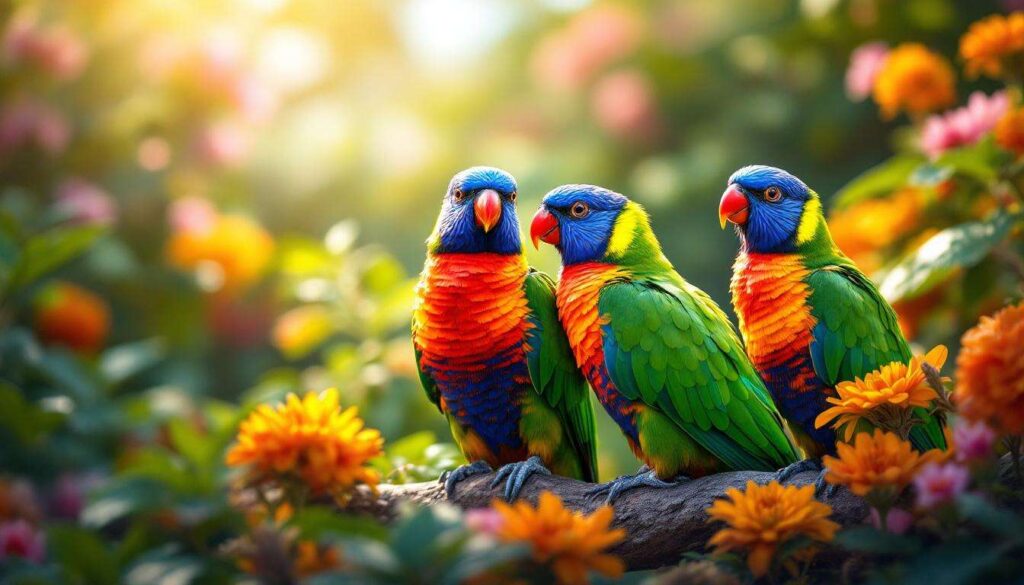
Lorikeets bring vibrant colors and lively energy to any outdoor space, making them delightful visitors for bird enthusiasts. These nectar-feeding parrots possess unique dietary requirements that differ significantly from other common garden birds. Understanding their nutritional needs ensures these charismatic creatures remain healthy while enjoying the feeding stations you provide. Proper feeding practices not only attract lorikeets but also support their wellbeing, while certain foods can pose serious health risks that every bird lover should recognize.
Introduction to lorikeets in your garden
Understanding lorikeet species and behavior
Lorikeets belong to the parrot family and are specialized nectar feeders with brush-tipped tongues designed for extracting pollen and nectar from flowers. The rainbow lorikeet stands as the most common species visiting Australian gardens, recognized by its brilliant plumage featuring blue heads, green wings, and orange-red chests. These social birds typically travel in flocks and demonstrate remarkable intelligence and curiosity.
Their natural feeding times occur during early morning and late afternoon hours when they search for flowering native plants. Lorikeets communicate through loud, distinctive calls and exhibit playful behavior that includes acrobatic flights and social interactions. Understanding these patterns helps gardeners create optimal feeding schedules and environments that accommodate their natural instincts.
Creating a lorikeet-friendly environment
Attracting lorikeets requires more than just food offerings. Consider these essential elements:
- Native flowering plants such as bottlebrush, grevillea, and eucalyptus
- Elevated feeding stations positioned away from predator access points
- Shaded areas for rest during hot weather
- Clean water sources for drinking and bathing
- Safe perching spots near feeding areas
Garden design should incorporate multiple feeding zones to reduce competition among birds and minimize territorial disputes. Position feeders in locations visible from your home for enjoyable observation while ensuring lorikeets feel secure enough to visit regularly.
Once you’ve established the right environment, knowing exactly what foods will keep these colorful visitors healthy becomes the next crucial consideration.
Favorite foods for lorikeets
Natural diet preferences
In their natural habitat, lorikeets consume primarily nectar and pollen from native flowering plants. Their specialized digestive systems evolved to process these sugar-rich foods efficiently. The brush-like structure of their tongues allows them to extract nectar from tubular flowers while simultaneously collecting pollen grains.
Beyond nectar, lorikeets supplement their diet with:
- Soft fruits with high moisture content
- Tree blossoms and flowering buds
- Occasional insects for protein
- Native berries when available
Commercial lorikeet food options
Pet stores and specialty bird suppliers offer formulated lorikeet diets designed to meet their nutritional requirements. These commercial products typically come in powder form requiring mixing with water to create a nectar-like consistency. Quality brands contain balanced proportions of sugars, proteins, vitamins, and minerals essential for lorikeet health.
| Product Type | Advantages | Considerations |
|---|---|---|
| Dry nectar powder | Convenient, balanced nutrition, long shelf life | Requires daily preparation, can spoil quickly once mixed |
| Wet nectar mix | Ready to serve, consistent texture | Shorter storage time, higher cost |
| Pellet supplements | Additional nutrients, easy storage | Should not replace liquid nectar |
Select products specifically formulated for lorikeets rather than generic parrot foods, as their digestive systems require higher sugar content and different nutrient ratios. Always check expiration dates and store products according to manufacturer instructions to maintain freshness and nutritional value.
Complementing commercial foods with fresh, natural options provides variety and additional health benefits for your feathered visitors.
Recommended fruits and vegetables
Best fruit choices for lorikeets
Fresh fruits provide essential vitamins and natural sugars that lorikeets enjoy. Offer fruits in small, manageable pieces that accommodate their feeding style. The following fruits receive enthusiastic responses from lorikeets:
- Apples (remove seeds, cut into thin slices)
- Pears (ripe and soft varieties preferred)
- Grapes (halved to prevent choking)
- Melons (watermelon, rockmelon, honeydew)
- Berries (strawberries, blueberries, raspberries)
- Papaya and mango (tropical favorites)
- Stone fruits (peaches, plums, nectarines without pits)
Ensure all fruits are thoroughly washed to remove pesticide residues and cut away any bruised or moldy sections. Organic produce offers the safest option when available. Replace fruit offerings twice daily during warm weather to prevent fermentation and bacterial growth.
Vegetable options and preparation methods
While lorikeets naturally consume fewer vegetables than fruits, certain options provide valuable nutrients. Sweet vegetables with softer textures work best:
- Sweet potato (cooked and mashed)
- Corn kernels (fresh or cooked)
- Peas (fresh or lightly steamed)
- Carrots (grated or finely chopped)
- Pumpkin (cooked and soft)
Avoid seasoning vegetables with salt, butter, or spices. Steam or boil vegetables until soft but not mushy, then cool completely before offering. Raw vegetables should be finely grated or chopped to facilitate easier consumption given lorikeets’ nectar-feeding adaptations.
While fresh produce plays an important role, creating homemade nectar solutions offers another excellent feeding option that closely mimics their natural diet.
Homemade nectar: recipe and tips
Basic nectar recipe and preparation
Preparing homemade nectar provides a cost-effective alternative to commercial products. A simple, safe recipe includes:
- 1 cup warm water
- 2 tablespoons raw sugar or honey
- 1 tablespoon high-protein baby cereal (optional for added nutrition)
- Pinch of vitamin supplement designed for birds (optional)
Mix ingredients thoroughly until completely dissolved, then cool to room temperature before serving. The solution should appear slightly cloudy if using baby cereal, or clear if using only sugar and water. Store unused portions in the refrigerator for up to 24 hours maximum.
Important safety considerations
Homemade nectar requires careful attention to hygiene and preparation standards. Follow these critical guidelines:
- Never use artificial sweeteners, which are toxic to birds
- Avoid honey during warm months due to rapid fermentation risk
- Clean feeders with hot water and mild detergent daily
- Discard nectar after 4-6 hours in hot weather
- Use glass or ceramic containers rather than plastic when possible
- Rinse feeders thoroughly to remove all soap residue
Monitor nectar for signs of fermentation including cloudy appearance, bubbles, or sour smell. Contaminated nectar can cause serious digestive problems and should be immediately discarded. Replace nectar solutions at least twice daily, more frequently during summer temperatures.
| Temperature | Maximum Nectar Duration | Recommended Changes |
|---|---|---|
| Below 20°C (68°F) | 8-12 hours | Twice daily |
| 20-30°C (68-86°F) | 4-6 hours | Three times daily |
| Above 30°C (86°F) | 2-4 hours | Four or more times daily |
Beyond nutrition, another fundamental element ensures lorikeet health and comfort in your garden.
The importance of water for lorikeets
Hydration needs and water sources
Lorikeets require constant access to fresh, clean water for both drinking and bathing. Their high-sugar diet increases their water consumption compared to seed-eating birds. Dehydration can occur rapidly, particularly during hot weather or when natural water sources become scarce.
Provide water through multiple methods:
- Shallow bird baths with textured surfaces for grip
- Dripping water features that attract attention through movement
- Multiple water stations to reduce competition
- Elevated water bowls positioned near feeding areas
Water depth should not exceed 5 centimeters to prevent drowning risk. Add stones or branches to deeper containers, creating safe landing platforms. Position water sources in partially shaded locations to keep water cool and reduce evaporation.
Water maintenance and hygiene
Maintaining water quality proves just as important as providing food. Lorikeets produce liquid droppings that can quickly contaminate water sources. Implement these essential maintenance practices:
- Change water at least twice daily, more often in hot weather
- Scrub containers with a stiff brush to remove algae and biofilm
- Rinse thoroughly with clean water before refilling
- Disinfect weekly using diluted bird-safe cleaning solution
- Position water away from feeding stations to minimize contamination
Monitor water for floating debris, droppings, or green algae growth, all indicating immediate cleaning needs. Stagnant water breeds mosquitoes and harbors bacteria, creating health hazards for visiting birds. During freezing weather, replace water multiple times daily to ensure availability.
While understanding what to feed lorikeets matters greatly, recognizing dangerous foods proves equally critical for their survival.
Food to absolutely avoid: the danger of bread
Why bread poses serious health risks
Bread represents the most dangerous food commonly offered to lorikeets despite good intentions from bird lovers. This seemingly harmless food causes multiple severe health problems. Bread contains virtually no nutritional value for lorikeets while filling their stomachs and displacing essential nutrients from their diet.
The specific dangers include:
- Malnutrition from inadequate protein, vitamins, and minerals
- Digestive blockages due to bread’s expanding properties when wet
- Metabolic bone disease from calcium deficiency
- Crop impaction requiring veterinary intervention
- Weakened immune systems making birds susceptible to disease
- Developmental problems in young birds
Bread also promotes bacterial and fungal growth in lorikeet digestive systems not designed to process grain-based foods. The high carbohydrate content without corresponding nutrients creates an imbalanced diet that manifests in poor feather quality, lethargy, and shortened lifespan.
Other foods to exclude from lorikeet diets
Beyond bread, several other common foods pose risks:
| Food Item | Risk Level | Specific Danger |
|---|---|---|
| Avocado | Extremely High | Contains persin, toxic to birds, potentially fatal |
| Chocolate | Extremely High | Theobromine toxicity affects heart and nervous system |
| Onions and garlic | High | Causes hemolytic anemia and digestive damage |
| Salty foods | High | Electrolyte imbalance, dehydration, kidney damage |
| Dairy products | Moderate | Lactose intolerance, digestive upset |
| Processed foods | Moderate | Additives, preservatives, excessive salt and sugar |
Never offer caffeinated beverages, alcohol, or foods containing artificial sweeteners. Apple seeds, stone fruit pits, and raw beans contain compounds that become toxic when consumed. Educate family members and neighbors about these dangers to prevent well-meaning but harmful feeding practices.
Lorikeets thrive when provided with appropriate nectar-based diets supplemented by fresh fruits and clean water. Understanding their specialized nutritional requirements allows bird enthusiasts to create safe, welcoming environments that support healthy populations. The single most important rule remains avoiding bread and other inappropriate foods that compromise their health. By following proper feeding guidelines and maintaining clean feeding stations, you contribute positively to lorikeet welfare while enjoying the spectacular presence these colorful parrots bring to your garden. Responsible feeding practices ensure these remarkable birds continue visiting for years to come, enriching outdoor spaces with their beauty and entertaining behavior.