


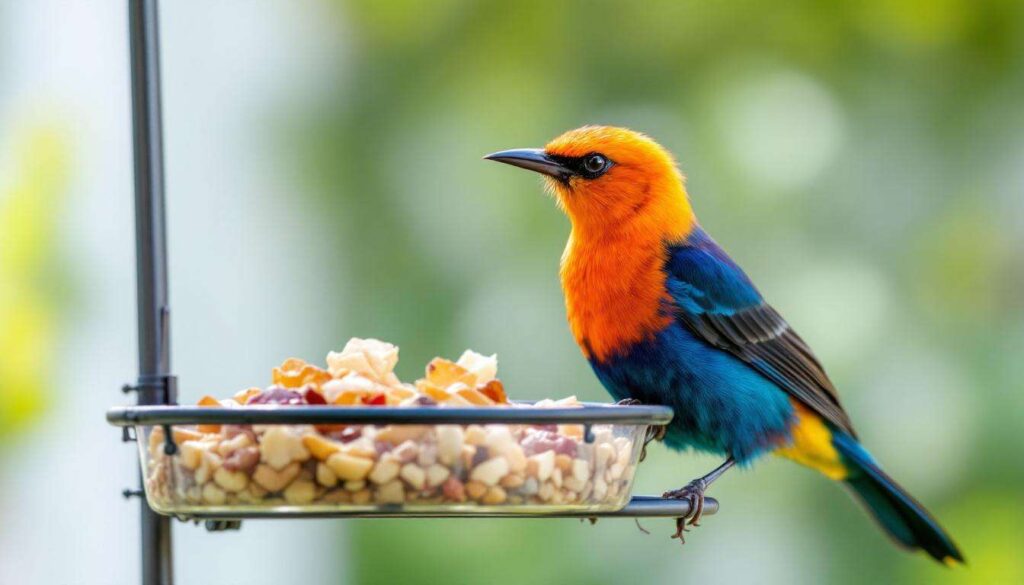
Australian gardens have become critical refuges for native birds facing habitat loss and food scarcity. BirdLife Australia emphasizes that many species now rely on supplementary feeding to survive, particularly during breeding seasons and droughts. Rather than purchasing expensive commercial bird food, everyday kitchen scraps can provide essential nutrients that support avian health and reproduction. Understanding which food waste benefits native birds transforms your backyard into a vital conservation space while reducing household waste. This simple practice connects urban dwellers with wildlife and contributes meaningfully to biodiversity preservation.
Why feed the native birds in your garden ?
Addressing habitat loss and food scarcity
Urban development has drastically reduced natural feeding grounds for native Australian birds. Native vegetation clearing eliminates insects, seeds, and nectar sources that birds depend upon for survival. Supplementary feeding compensates for these losses, particularly in suburbs where gardens may be the only green spaces available. BirdLife Australia research indicates that strategic feeding during critical periods can significantly improve breeding success rates and fledgling survival.
Supporting birds during challenging seasons
Seasonal variations create periods of extreme nutritional stress for native birds. During summer droughts, insects become scarce and flowering plants produce less nectar. Winter months reduce seed availability and insect activity. Providing appropriate kitchen scraps during these times offers:
- Essential protein for breeding adults
- Energy-rich foods for migrating species
- Calcium sources for egg production
- Hydration through moisture-rich foods
Creating wildlife corridors in urban environments
Gardens that consistently provide food become nodes in urban wildlife corridors. Birds navigate between these feeding stations, creating networks that support genetic diversity and population resilience. Your feeding efforts contribute to broader conservation initiatives by maintaining viable populations in developed areas. This interconnected approach helps species adapt to increasingly urbanized landscapes.
Understanding the reasons behind feeding native birds naturally leads to questions about which specific foods provide the most benefit.
The types of kitchen scraps beneficial for birds
Protein-rich scraps for insectivorous species
Insect-eating birds require high-protein alternatives when natural prey becomes scarce. Suitable kitchen scraps include:
- Cooked lean meat trimmings without seasoning
- Hard-boiled egg pieces including crushed shells
- Mealworms from your compost system
- Cheese in small quantities
Magpies, kookaburras, and butcherbirds particularly benefit from these protein sources. Ensure meat scraps are fresh and free from salt, spices, or cooking oils that can harm birds.
Fruits and vegetables for varied diets
Many native species consume fruits as part of their natural diet. Kitchen scraps that attract fruit-eating birds include:
| Food Type | Suitable Birds | Preparation Method |
|---|---|---|
| Apple cores and pieces | Rosellas, lorikeets | Cut into small chunks |
| Banana peels and flesh | Silvereyes, honeyeaters | Place on feeding platforms |
| Melon rinds | Various species | Leave flesh attached |
| Leafy greens | Parrots, cockatoos | Hang in bunches |
Seeds and grains from cooking
Seed-eating finches and parrots thrive on grain-based kitchen waste. Uncooked rice, quinoa, and oats provide excellent nutrition. Stale bread should be avoided as it offers minimal nutritional value and can cause digestive issues. Instead, offer leftover cooked grains like brown rice or barley in small quantities.
Once you understand which scraps benefit birds, implementing composting practices amplifies these benefits significantly.
How to compost to attract more birds
Establishing a bird-friendly compost system
A properly managed compost heap becomes a living buffet for native birds. Open compost systems allow birds to forage for insects, worms, and decomposing plant material. Position your compost bin in a visible location with nearby perching spots. Avoid fully enclosed systems that prevent bird access. Turn compost regularly to expose fresh layers and encourage insect activity that attracts insectivorous species.
Layering techniques that maximize bird benefits
Strategic layering creates optimal conditions for both decomposition and bird foraging:
- Alternate green materials like fruit scraps with brown materials such as dried leaves
- Include crushed eggshells for calcium-seeking birds
- Add small amounts of plain cooked pasta or rice to attract ground-feeding species
- Maintain moisture levels that support earthworm populations
This approach generates abundant invertebrate life that provides natural protein sources for native birds throughout the year.
Seasonal composting adjustments
Modify your composting practices according to seasonal bird needs. During spring breeding season, increase protein-rich additions like meat scraps to support chick rearing. Summer composting should focus on moisture retention to attract birds seeking water sources. Winter composting can include more energy-dense materials like oily seeds to help birds maintain body temperature.
While composting and feeding offer tremendous benefits, certain practices can inadvertently harm the birds you aim to help.
Mistakes to avoid when feeding birds
Harmful foods commonly offered
Several kitchen scraps prove toxic or dangerous to native Australian birds. Never provide:
- Salty foods including processed meats and chips
- Chocolate or caffeine-containing items
- Avocado, which contains persin toxic to birds
- Onions and garlic that damage red blood cells
- Moldy or spoiled food that causes fungal infections
Bread and milk represent particularly common mistakes. Bread lacks nutritional value and can cause malnutrition, while birds cannot properly digest lactose.
Overfeeding and dependency issues
Excessive feeding creates unhealthy dependencies that undermine natural foraging behaviors. Birds that rely entirely on human-provided food may fail to teach offspring proper hunting techniques. Limit supplementary feeding to complement rather than replace natural food sources. Offer small quantities that disappear within a few hours, encouraging birds to continue seeking diverse food sources.
Hygiene and disease prevention
Poor feeding practices spread diseases rapidly through bird populations. Maintain strict hygiene by:
| Practice | Frequency | Purpose |
|---|---|---|
| Clean feeding stations | Weekly | Prevent bacterial growth |
| Remove uneaten food | Daily | Avoid spoilage and pests |
| Disinfect water dishes | Every 2-3 days | Control disease transmission |
| Rotate feeding locations | Monthly | Reduce pathogen concentration |
These precautions protect both individual birds and broader populations from preventable illnesses.
When implemented correctly, feeding native birds generates benefits extending far beyond individual species survival.
The positive impact on the local ecosystem
Pollination and seed dispersal services
Birds attracted to your garden provide essential ecosystem services. Honeyeaters and lorikeets pollinate native plants while feeding on nectar and insects. Fruit-eating species disperse seeds across neighborhoods, promoting plant diversity and creating new habitat patches. This natural process helps restore native vegetation in urban areas, creating self-sustaining green corridors.
Natural pest control benefits
Insectivorous birds consume vast quantities of garden pests. A single willie wagtail family can eliminate thousands of mosquitoes, flies, and caterpillars weekly. Magpies and kookaburras control populations of beetles, grasshoppers, and even small rodents. This biological pest management reduces the need for chemical interventions that harm beneficial insects and contaminate waterways.
Educational and community engagement opportunities
Gardens that support native birds become living classrooms for children and adults. Observing bird behaviors teaches ecological principles and fosters conservation ethics. Sharing successful feeding strategies with neighbors creates community-wide habitat networks. Citizen science programs like BirdLife Australia’s Birdata app allow you to contribute observations that inform national conservation policies.
Biodiversity enhancement in urban settings
Supporting bird populations strengthens entire food webs. Healthy bird communities indicate thriving insect populations, which require diverse plant life. This interconnected system creates resilient urban ecosystems capable of withstanding environmental pressures. Your feeding efforts contribute to maintaining genetic diversity within bird populations, ensuring species can adapt to climate change and habitat modifications.
Feeding native birds with appropriate kitchen scraps represents a simple yet powerful conservation action. By understanding which foods benefit different species, implementing bird-friendly composting practices, and avoiding common mistakes, you transform your garden into a crucial refuge. The resulting ecosystem benefits extend throughout your neighborhood, supporting pollination, pest control, and biodiversity. Every household that participates in responsible bird feeding contributes to preserving Australia’s unique avian heritage while reducing food waste and fostering deeper connections with nature.