


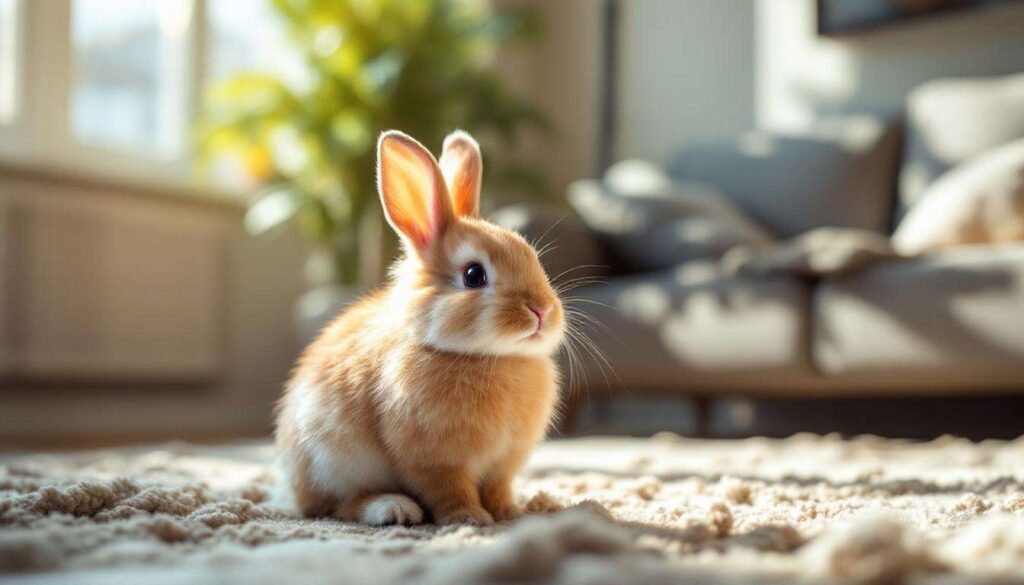
Urban living across Australia has witnessed a remarkable shift in pet ownership patterns, with an unexpected contender hopping into the hearts of apartment dwellers. Rabbits, once relegated to backyard hutches or children’s farms, are now claiming their place as the third most popular companion animal in Australian households. This surge reflects changing lifestyles, housing constraints, and a growing awareness of these intelligent creatures’ compatibility with modern apartment life. As housing densities increase and pet policies become more restrictive, Australians are discovering that rabbits offer a unique combination of companionship, manageability, and charm that fits seamlessly into compact living spaces.
The growing popularity of rabbits as apartment pets
Statistics revealing the rabbit ownership boom
Recent data from veterinary associations and pet industry reports indicates that rabbit ownership in Australia has increased by approximately 35% over the past five years. This growth is particularly pronounced in metropolitan areas where apartment living dominates. Pet insurance companies have reported a corresponding rise in rabbit policy applications, with Melbourne and Sydney leading the trend. The Australian Veterinary Association notes that rabbits now account for a significant portion of exotic pet consultations, surpassing guinea pigs and other small mammals in popularity.
Factors driving the shift toward rabbit adoption
Several societal and practical factors contribute to this phenomenon. Housing regulations in many apartment complexes prohibit dogs and cats but permit smaller caged animals, making rabbits an attractive alternative. Additionally, the rise of remote work has created opportunities for pet ownership among professionals who previously lacked the time for traditional pets. Economic considerations also play a role, as rabbits generally require lower initial investment and ongoing costs compared to dogs or cats. The growing visibility of rabbits on social media platforms has further normalized their status as legitimate companion animals rather than mere children’s pets.
Understanding these demographic shifts provides context for exploring what makes rabbits particularly well-suited to confined living environments.
Why rabbits are suited for apartment living
Space requirements and adaptability
Rabbits possess a remarkable ability to thrive in limited square footage when their needs are properly met. Unlike dogs that require outdoor exercise multiple times daily, rabbits can receive adequate physical activity within apartment confines. A properly sized enclosure measuring approximately 12 square feet, combined with supervised free-roaming time, provides sufficient space for most breeds. Their natural tendency to establish territorial boundaries makes them comfortable in defined areas, and they adapt readily to apartment layouts when given appropriate enrichment opportunities.
Noise levels and neighbor considerations
One of the most compelling advantages rabbits offer apartment dwellers is their quiet nature. Unlike barking dogs or vocal cats, rabbits communicate primarily through subtle body language and occasional soft sounds. This characteristic makes them ideal for buildings with strict noise policies or thin walls. The following benefits make rabbits particularly neighbor-friendly:
- No barking, meowing, or loud vocalizations that disturb adjacent units
- Nocturnal activity levels are minimal compared to hamsters or other rodents
- Natural grooming habits reduce odor when litter boxes are maintained properly
- Minimal disruption during owner absences for work or travel
Litter training capabilities
Rabbits possess an innate cleanliness that simplifies apartment living. They naturally designate specific areas for elimination, making litter box training relatively straightforward. Most rabbits learn to use a litter box within days or weeks, with success rates comparable to cats. This instinct eliminates concerns about accidents on carpets or flooring, a common worry for landlords and tenants alike. Their preference for routine means once established, litter habits remain consistent, reducing maintenance demands for busy urban professionals.
These practical advantages complement the deeper psychological and emotional benefits rabbits provide their owners.
The benefits of rabbits on owners’ well-being
Emotional support and companionship
Research in animal-assisted therapy has increasingly recognized rabbits as effective emotional support animals. Their gentle demeanor and responsive nature create meaningful bonds with owners experiencing stress, anxiety, or loneliness. Unlike more demanding pets, rabbits offer companionship without requiring constant attention, making them suitable for individuals with varying energy levels or mental health challenges. The act of petting a rabbit has been shown to lower blood pressure and reduce cortisol levels, providing measurable physiological benefits alongside emotional comfort.
Low-maintenance companionship for busy lifestyles
Urban professionals appreciate that rabbits require significantly less daily intervention than dogs while offering more interaction than fish or reptiles. The following comparison illustrates time commitments:
| Daily Care Activity | Dogs | Cats | Rabbits |
|---|---|---|---|
| Outdoor exercise requirements | 60-120 minutes | 0 minutes | 0 minutes |
| Feeding and water | 15-20 minutes | 10-15 minutes | 10-15 minutes |
| Litter maintenance | N/A | 5-10 minutes | 5-10 minutes |
| Interactive play | 30-60 minutes | 15-30 minutes | 30-45 minutes |
Social connection through rabbit communities
Rabbit ownership has fostered vibrant communities both online and in physical spaces. Bunny meetups, specialized veterinary clinics, and dedicated social media groups connect owners who share care tips, arrange playdates, and provide mutual support. These networks combat urban isolation while offering practical resources for first-time rabbit owners navigating the learning curve of proper care.
However, reaping these benefits requires understanding and meeting rabbits’ specific requirements in urban environments.
The specific needs of rabbits in urban settings
Dietary requirements and fresh food access
Proper rabbit nutrition centers on unlimited access to high-quality hay, supplemented with fresh vegetables and limited pellets. Urban dwellers must establish reliable sources for timothy or meadow hay, which forms 80% of a healthy rabbit diet. Fresh greens including romaine lettuce, cilantro, and parsley should be provided daily, requiring regular grocery shopping or farmers market visits. Many Australian cities now feature specialty pet stores stocking rabbit-specific products, though online suppliers offer convenient delivery options for apartment residents without vehicle access.
Veterinary care and exotic pet specialists
Unlike dogs and cats, rabbits require veterinarians with exotic animal expertise. Not all general practice veterinarians possess adequate rabbit training, making it essential for urban owners to identify qualified specialists before emergencies arise. Rabbits need annual health checks, spaying or neutering for behavioral and health reasons, and occasional dental care. The following preventive measures are crucial:
- Annual wellness examinations including dental assessments
- Spaying females by age six months to prevent uterine cancer
- Neutering males to reduce territorial aggression and spraying
- Vaccination against rabbit hemorrhagic disease where recommended
- Regular nail trimming every 4-6 weeks
Exercise and enrichment in confined spaces
Despite their adaptability, rabbits require minimum three hours daily of supervised exercise outside their enclosures. Apartment owners must rabbit-proof rooms by securing electrical cords, removing toxic plants, and blocking access to dangerous areas. Enrichment activities prevent boredom and destructive behaviors, including providing cardboard boxes for exploration, tunnels for running, and safe chew toys for dental health. Rotating toys and rearranging furniture periodically stimulates mental engagement essential for psychological well-being.
Selecting the right breed significantly impacts the success of apartment rabbit ownership.
Most popular rabbit breeds in Australia
Compact breeds ideal for smaller spaces
The Netherland Dwarf ranks among Australia’s most sought-after apartment rabbits, weighing just 1-1.5 kilograms at maturity. Their diminutive size requires less enclosure space while their playful personalities provide ample entertainment. Mini Lops offer slightly larger builds at 1.5-2 kilograms with famously gentle temperaments, making them excellent choices for families or first-time owners. Dutch rabbits, recognizable by their distinctive color patterns, combine compact size with hardy constitutions and friendly dispositions suited to urban living.
Medium breeds balancing size and temperament
For those with slightly more space, Mini Rex rabbits have gained popularity due to their velvety coats and calm personalities. Weighing 2-2.5 kilograms, they remain manageable while offering more substantial presence than dwarf breeds. Lionhead rabbits, distinguished by their woolly manes, weigh similarly and display affectionate, social behaviors that bond strongly with owners. These medium breeds require larger enclosures but often demonstrate more relaxed temperaments than their smaller counterparts.
Considerations beyond breed characteristics
While breed provides general guidelines, individual personality varies significantly among rabbits. Adoption from rescue organizations allows potential owners to assess specific temperament rather than relying solely on breed stereotypes. Mixed-breed rabbits often exhibit excellent health and temperament, combining desirable traits from multiple lineages. Age also influences suitability, with adult rabbits offering predictable personalities and established litter habits compared to unpredictable young rabbits.
Regardless of breed selection, successful apartment rabbit ownership depends on implementing proper care protocols.
Tips for taking care of your rabbit in an apartment
Setting up the ideal living environment
Create a dedicated rabbit zone within your apartment that balances confinement with freedom. Choose enclosures measuring minimum 4 feet by 2 feet for small breeds, with additional height for multi-level configurations. Position housing away from heating vents, air conditioning units, and direct sunlight to maintain comfortable temperatures between 15-21 degrees Celsius. Provide solid flooring rather than wire bottoms to prevent painful foot conditions, and include hiding boxes where rabbits can retreat when stressed.
Establishing routines and boundaries
Rabbits thrive on predictable schedules for feeding, exercise, and interaction. Maintain consistent times for morning and evening meals, using measured portions to prevent obesity. Designate specific rooms as rabbit-safe zones where supervised exploration occurs, using baby gates to restrict access to hazardous areas. The following daily routine supports optimal health:
- Morning: fresh hay, water check, and litter box cleaning
- Midday: vegetable feeding and brief interaction if home
- Evening: pellet portion, extended exercise time, and grooming
- Night: final hay top-up and enclosure security check
Managing common apartment challenges
Address chewing behaviors proactively by providing appropriate alternatives to furniture and baseboards. Offer untreated wood blocks, willow balls, and cardboard structures that satisfy natural gnawing instincts. Protect vulnerable areas with plastic cord covers and furniture barriers. For odor control, clean litter boxes daily and use absorbent bedding materials like paper-based pellets rather than cedar or pine shavings, which can cause respiratory issues. Maintain adequate ventilation to prevent ammonia buildup in enclosed spaces.
Australian apartment dwellers have discovered that rabbits offer a compelling alternative to traditional pets, combining manageable care requirements with genuine companionship. Their quiet nature, litter training capabilities, and adaptability to confined spaces address common urban living constraints while providing meaningful emotional benefits. Success requires commitment to meeting their specific dietary, veterinary, and enrichment needs, along with careful breed selection matching individual circumstances. As housing density increases and lifestyle demands evolve, rabbits are positioned to maintain their growing status as Australia’s preferred apartment companion, offering a perfect balance between the independence of cats and the affection of dogs without the space demands of either.