


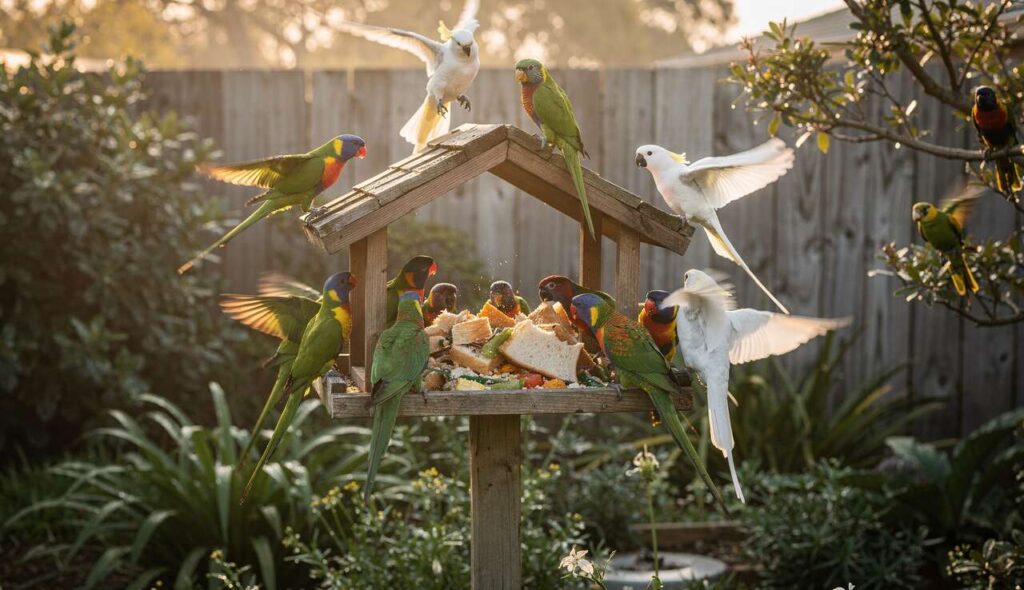
Backyard birdwatching has become a cherished pastime for countless Australians who delight in observing native species up close. The simple act of placing food outside to attract colorful parrots, honeyeaters, and other feathered visitors seems harmless enough. However, a widespread feeding practice continues to cause unintended harm to the very birds enthusiasts hope to support. Most well-meaning bird lovers unknowingly provide inappropriate foods that compromise avian health, disrupt natural foraging behaviors, and ultimately threaten local ecosystems.
Understanding Australian birds’ feeding habits
Australian native birds have evolved over millennia to thrive on specific dietary requirements tailored to their unique environments. Unlike their counterparts in other regions, these species have adapted to the continent’s distinctive flora and seasonal variations.
Natural diet composition
Most Australian birds consume a varied diet that changes throughout the year based on availability. Nectar-feeding species like lorikeets and honeyeaters possess specialized brush-tipped tongues designed to extract nectar from native flowering plants. Seed-eaters such as finches and cockatoos have powerful beaks capable of cracking open tough native seeds and nuts. Insectivorous birds including wrens and thornbills hunt small invertebrates, spiders, and larvae found in bark crevices and leaf litter.
- Nectar from eucalyptus, banksia, and grevillea flowers
- Native seeds from grasses and acacias
- Insects, spiders, and other invertebrates
- Native fruits and berries
- Tree sap and lerps
Seasonal foraging patterns
Bird feeding behaviors shift dramatically with seasonal changes. During spring and summer, abundant flowering triggers increased activity among nectar-feeders, while autumn brings seed production that sustains granivorous species through winter months. Understanding these natural cycles reveals why year-round supplementary feeding can disrupt established patterns and create unhealthy dependencies.
Recognizing these natural dietary preferences becomes essential when considering whether and how to provide supplementary food, leading directly to the potential dangers of well-intentioned but misguided feeding practices.
The risks of improper feeding
The most common mistake backyard birdwatchers make involves offering processed human foods that seem convenient but prove detrimental to avian health. Bread, a staple offering at many feeding stations, represents perhaps the most widespread problem.
Nutritional deficiencies and metabolic disorders
Bread and similar processed foods lack the essential nutrients birds require for proper development and maintenance. When birds fill their stomachs with these nutritionally empty foods, they consume fewer natural foods containing vital proteins, vitamins, and minerals. This dietary imbalance leads to a condition called “angel wing” in waterfowl, where wing bones develop abnormally due to malnutrition. In parrots and other species, inadequate nutrition causes feather disorders, weakened immune systems, and reduced breeding success.
| Health Issue | Cause | Affected Species |
|---|---|---|
| Metabolic bone disease | Calcium deficiency from poor diet | Lorikeets, parrots |
| Obesity | High-fat, high-sugar foods | Magpies, currawongs |
| Liver damage | Excessive protein from meat | Kookaburras, butcherbirds |
Behavioral changes and dependency
Regular feeding creates artificial food sources that alter natural behaviors. Birds become habituated to human-provided meals, reducing their foraging skills and territorial range. Young birds never learn proper hunting or food-finding techniques when parents rely on backyard handouts. This dependency becomes particularly dangerous when food supplies suddenly cease due to vacations, relocations, or changed circumstances.
Beyond individual health concerns, certain foods pose immediate toxic threats that every bird enthusiast must recognize and avoid.
Foods to absolutely avoid
Several common household foods prove actively harmful or fatal to Australian birds, yet many people continue offering them unknowingly.
Toxic and dangerous items
Avocado contains persin, a compound that causes cardiac distress and respiratory failure in many bird species. Chocolate contains theobromine, which birds cannot metabolize, leading to seizures and death. Salt, even in small quantities, overwhelms avian kidneys designed for low-sodium diets. Onions and garlic cause hemolytic anemia by destroying red blood cells.
- Bread and baked goods (nutritionally deficient)
- Milk and dairy products (birds lack lactase enzymes)
- Raw meat and mince (bacterial contamination, nutritional imbalance)
- Processed meats (high salt content)
- Honey (may contain botulism spores)
- Fruit pits and apple seeds (contain cyanide compounds)
Problematic seed mixes
Commercial wild bird seed mixes often contain inappropriate ingredients for Australian species. Many include grains suited to Northern Hemisphere birds but unsuitable for native species. Cheap mixes may contain filler seeds that birds discard, creating waste and attracting rodents. Stale or moldy seeds harbor aflatoxins that cause liver disease and immune suppression.
The consequences of these feeding mistakes extend far beyond individual bird health, affecting entire ecological communities in ways most people never consider.
Impact on local biodiversity
Feeding stations inadvertently create ecological imbalances that ripple through local environments, affecting species diversity and ecosystem health.
Competition and displacement
Concentrated food sources favor aggressive and dominant species like noisy miners, currawongs, and introduced species such as Indian mynas. These birds monopolize feeding areas, driving away smaller, less competitive native species. Research shows that areas with regular feeding stations experience reduced diversity as aggressive species expand their populations at the expense of vulnerable birds like fairy-wrens, thornbills, and smaller honeyeaters.
Disease transmission
Feeding stations where multiple birds congregate become disease hotspots. Avian pox, psittacine beak and feather disease, and bacterial infections spread rapidly when birds share contaminated food and water sources. Droppings accumulate around feeding areas, creating unsanitary conditions that facilitate pathogen transmission between individuals and species.
Predator attraction
Concentrated bird populations attract predators including cats, foxes, and raptors. While predation represents a natural process, artificially dense prey concentrations create unnatural hunting opportunities that can devastate local populations, particularly of ground-feeding species.
Fortunately, those who wish to support backyard birds can adopt practices that minimize harm while still enjoying wildlife observation.
Tips for safely feeding birds
Responsible bird feeding requires thoughtful planning and consistent maintenance rather than simply scattering food scraps outside.
Appropriate food choices
Native plants provide the best nutrition for Australian birds. Planting indigenous flowering shrubs, seed-bearing grasses, and fruit-producing trees creates sustainable food sources that support natural behaviors. For those who choose supplementary feeding, species-appropriate options include small amounts of native seed, commercially prepared nectar for honeyeaters (not honey-water), and insectivorous bird pellets for meat-eaters.
- Plant native grevilleas, banksias, and callistemons for nectar-feeders
- Provide shallow water baths changed daily
- Offer small quantities of black sunflower seeds for parrots
- Use commercially formulated lorikeet nectar, not homemade mixtures
- Feed only during winter when natural food becomes scarce
Hygiene and maintenance
Clean feeding stations prevent disease transmission. Wash feeders with diluted bleach solution weekly, rinse thoroughly, and dry completely before refilling. Remove uneaten food daily to prevent spoilage and pest attraction. Position feeders away from windows to reduce collision risks and near cover that allows birds to escape predators.
While these guidelines help, consulting with professionals ensures feeding practices align with current scientific understanding and conservation priorities.
The importance of consulting ornithology experts
Professional ornithologists and wildlife organizations possess specialized knowledge based on research and field experience that surpasses well-meaning but uninformed advice.
Access to current research
Bird nutrition science evolves constantly as researchers discover new information about dietary requirements, disease risks, and ecological impacts. Ornithological experts stay current with peer-reviewed literature and can provide evidence-based recommendations tailored to specific regions and species. Organizations like BirdLife Australia offer resources developed by scientists who understand the complex needs of native birds.
Species-specific guidance
Different bird species have vastly different requirements. What benefits one species may harm another. Experts can identify which birds visit particular areas and recommend appropriate support strategies. They understand seasonal variations, breeding requirements, and conservation status, ensuring feeding practices support rather than undermine wildlife protection efforts.
Reporting and citizen science
Engaging with ornithological communities allows backyard birdwatchers to contribute valuable observations to scientific databases while learning proper identification and monitoring techniques. Programs like the Aussie Backyard Bird Count transform casual observation into meaningful conservation data.
The desire to connect with nature through bird feeding reflects a genuine appreciation for wildlife, but this connection must be grounded in understanding rather than assumptions. Avoiding processed human foods, particularly bread, represents the single most important change backyard birdwatchers can make. Focusing on native plantings rather than supplementary feeding creates sustainable habitats that support healthy, independent bird populations. When feeding becomes necessary, choosing appropriate foods, maintaining impeccable hygiene, and consulting expert resources ensures these practices benefit rather than harm the remarkable birds that grace Australian gardens. By correcting common mistakes, bird enthusiasts can transform their backyards into genuine sanctuaries that support biodiversity and ecological health.