


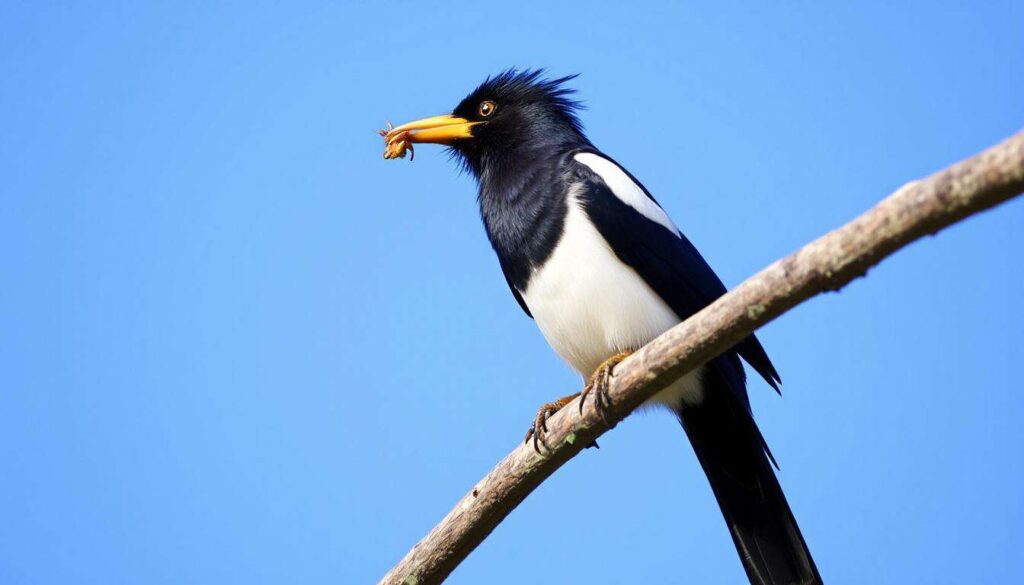
Magpies, iconic birds of the Australian landscape, face significant challenges during prolonged dry spells when their usual food sources become scarce. Understanding how to support these intelligent corvids through drought conditions requires expert guidance from those who study their behavior and nutritional needs most closely. Australian ornithologists have developed comprehensive recommendations to help these birds thrive even when environmental conditions turn harsh.
Australian ornithologists’ dietary recommendations
Protein-rich food options for optimal health
Experts from wildlife research institutions across Australia emphasize that protein should form the cornerstone of any supplementary feeding program for magpies during dry periods. These birds naturally consume a diet high in invertebrates, which become increasingly difficult to find when soil moisture drops.
Recommended protein sources include:
- Mealworms, either live or dried, which closely mimic natural prey
- Small amounts of lean, raw meat cut into appropriate sizes
- Dog or cat food with high meat content, avoiding processed varieties
- Crickets and other commercially available insects
Foods to avoid for magpie welfare
Ornithologists consistently warn against certain foods that well-meaning individuals might offer. Processed human foods, particularly bread and baked goods, provide minimal nutritional value and can lead to malnutrition. Similarly, minced meat from supermarkets often contains excessive fat and additives that compromise avian health.
Understanding these dietary foundations naturally leads to another critical aspect of magpie care during drought conditions.
Importance of hydration for magpies
Water availability as a survival factor
During extended dry spells, access to clean water becomes as crucial as food availability. Magpies require regular hydration not only for drinking but also for maintaining their plumage and regulating body temperature. Research conducted by the Australian National University demonstrates that water scarcity directly impacts breeding success and chick survival rates.
Creating effective water stations
Ornithologists recommend establishing multiple shallow water sources throughout affected areas. The ideal setup includes:
- Birdbaths with depths no greater than 5 centimeters
- Daily water changes to prevent bacterial growth
- Placement in partially shaded locations to keep water cool
- Rough surfaces that provide secure footing for bathing
With hydration needs addressed, attention must turn to the environmental factors affecting food availability.
Natural food sources during drought periods
Adaptation of foraging behavior
Magpies demonstrate remarkable behavioral flexibility when their preferred invertebrate prey becomes scarce. Studies from the CSIRO reveal that these birds shift their foraging patterns, spending more time searching in areas that retain moisture longer, such as beneath dense vegetation or near human-maintained gardens.
Seasonal variations in food availability
| Season | Primary Natural Food | Availability During Drought |
|---|---|---|
| Summer | Beetles, grasshoppers | Severely reduced |
| Autumn | Larvae, earthworms | Moderately reduced |
| Winter | Ground-dwelling insects | Critically low |
| Spring | Emerging insects, spiders | Variable depending on rainfall |
These natural patterns interact complexly with broader climatic trends affecting the continent.
The impact of weather conditions on feeding habits
Temperature extremes and foraging efficiency
Prolonged heat waves compound the challenges magpies face during drought. High temperatures reduce the time birds can safely spend foraging, as they must seek shelter during the hottest parts of the day. This limitation means they have fewer hours to meet their energy requirements, making supplementary feeding particularly valuable.
Long-term climate patterns and dietary shifts
Australian ornithologists tracking magpie populations over decades have documented gradual changes in feeding behavior corresponding with climate trends. Birds in regions experiencing more frequent droughts show increased reliance on alternative food sources and demonstrate greater boldness in approaching human-provided resources.
These observations have inspired researchers to explore new approaches to supporting magpie populations.
Innovative alternatives to feed magpies
Native plant species that support prey populations
Rather than direct feeding, some experts advocate for habitat enhancement strategies that naturally increase food availability. Planting native species that attract insects provides sustainable, long-term support for magpie populations while maintaining ecological balance.
Community-based feeding programs
Several Australian municipalities have established coordinated feeding initiatives during severe droughts. These programs ensure consistent food quality and prevent dependency issues that can arise from irregular supplementary feeding by individuals.
Success of such initiatives depends heavily on engaged local populations willing to participate actively.
Role of local communities in preserving magpies
Education and awareness campaigns
Wildlife organizations across Australia emphasize that informed community action makes the greatest difference for magpie welfare during challenging environmental conditions. Educational programs teach residents about appropriate feeding practices, timing, and the importance of maintaining natural foraging behaviors.
Citizen science contributions
Ornithologists increasingly rely on community observations to track magpie health and distribution during droughts. Platforms allowing residents to report sightings and behavioral changes provide valuable data for conservation strategies and help identify areas requiring intervention.
Supporting magpies through dry spells requires a multifaceted approach combining proper nutrition, adequate hydration, and community engagement. Australian ornithologists stress that protein-rich foods and clean water sources form the foundation of effective care, while avoiding harmful processed foods protects these birds from malnutrition. Natural food source preservation through native plantings offers sustainable long-term solutions, and coordinated community efforts amplify individual actions. By following expert recommendations and remaining attentive to local magpie populations, Australians can help these remarkable birds navigate increasingly challenging environmental conditions while maintaining their vital role in the ecosystem.