


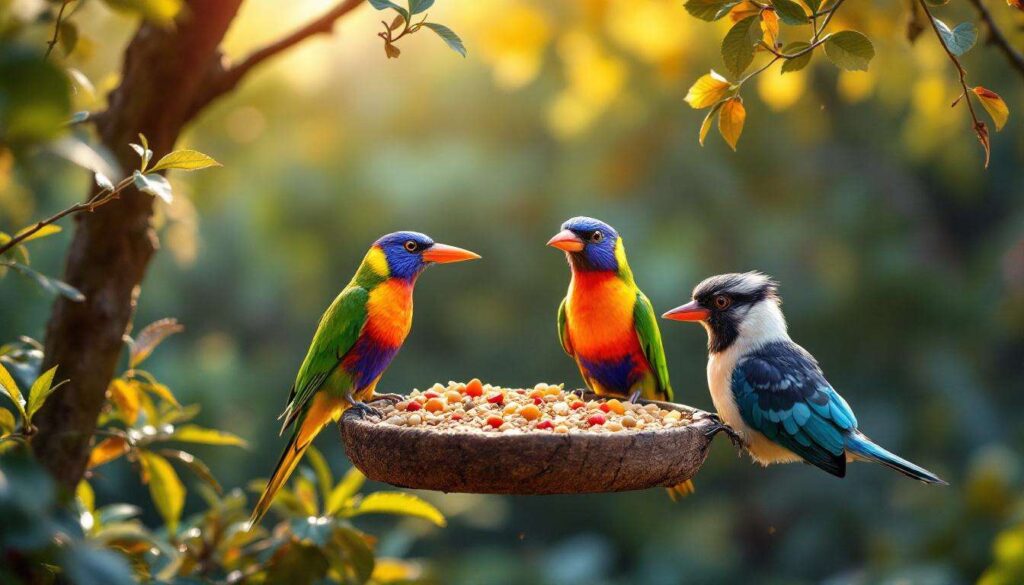
As temperatures begin to cool across Australia and the vibrant greens of summer fade into the warm hues of autumn, native birds face a transitional period that demands careful attention from those who support their well-being. March marks a pivotal moment when food sources shift, migration patterns emerge, and metabolic needs change. For bird enthusiasts committed to responsible feeding practices, understanding these seasonal adjustments ensures that backyard offerings complement rather than disrupt natural foraging behaviors. Providing appropriate nutrition during this transitional month can make a significant difference in supporting healthy populations of lorikeets, honeyeaters, magpies, and countless other species that grace Australian landscapes.
Introduction to feeding Australian birds in March
Understanding the seasonal shift
March represents a critical transition period in the Australian avian calendar. As autumn establishes itself, birds experience changes in available natural food sources, with many summer-flowering plants completing their cycles while autumn-specific vegetation begins to flourish. This seasonal overlap creates both opportunities and challenges for native species adapting their foraging strategies. Supplementary feeding during this period can provide valuable support, particularly in urban areas where natural food sources may be limited or disrupted by development.
Responsible feeding principles
Before establishing any feeding program, it is essential to recognize that supplementary feeding should never replace natural foraging. The primary goals include:
- Supporting birds during periods of natural food scarcity
- Providing nutritional variety that complements wild sources
- Encouraging natural behaviors rather than dependency
- Maintaining hygiene standards to prevent disease transmission
These principles guide responsible practices that benefit bird populations without creating harmful dependencies or health risks.
Understanding these foundational concepts sets the stage for exploring the specific nutritional requirements that drive feeding decisions throughout autumn.
The specific dietary needs of native birds
Diverse feeding categories
Australian native birds exhibit remarkable dietary diversity, requiring tailored approaches based on species-specific needs. The primary feeding categories include:
| Bird Category | Primary Diet | Examples |
|---|---|---|
| Nectarivores | Nectar, pollen, insects | Lorikeets, honeyeaters, wattlebirds |
| Insectivores | Insects, larvae, spiders | Willie wagtails, fantails, thornbills |
| Granivores | Seeds, grains | Finches, pigeons, parrots |
| Omnivores | Mixed diet | Magpies, currawongs, butcherbirds |
Nutritional requirements in autumn
As March progresses, many species increase their protein and fat intake to prepare for cooler temperatures and potential breeding cycles. Insectivorous birds require sustained access to protein sources, while nectarivores need energy-rich alternatives as flowering patterns change. Seed-eating species benefit from native grass seeds that naturally mature during this period, while omnivorous birds require balanced nutrition that mirrors their varied natural diet.
With these dietary distinctions clarified, attention turns to the specific food items that best serve native birds during the autumn transition.
What foods to prioritize in autumn
Recommended food options
March feeding programs should emphasize foods that closely mimic natural sources while providing adequate nutrition. Appropriate offerings include:
- Native flowering plants: grevilleas, banksias, and callistemons attract nectarivores naturally
- Fresh fruits: apple slices, pear pieces, and native fruits for frugivores
- Mealworms and insects: critical protein sources for insectivores
- Native seed mixes: containing grasses and plants indigenous to your region
- Specialized nectar solutions: prepared according to species-specific formulations
Foods to avoid
Equally important is understanding what not to offer. Harmful or inappropriate foods include:
- Bread and processed foods: lacking nutritional value and causing digestive issues
- Milk products: birds cannot properly digest lactose
- Salted or seasoned items: potentially toxic to avian systems
- Honey-based nectar: may harbor harmful bacteria and fungi
- Meat scraps: can attract aggressive species and create dependency
These dietary guidelines require appropriate delivery systems that accommodate changing weather patterns and bird behaviors as autumn progresses.
Adapting feeders for the arrival of autumn
Feeder placement and design
March weather patterns demand strategic feeder positioning that accounts for increased rainfall and shifting sun angles. Position feeders in locations that offer:
- Partial shelter from rain while maintaining visibility
- Protection from strong winds common in early autumn
- Proximity to natural perching sites and escape routes
- Distance from windows to prevent collision injuries
Maintenance and hygiene practices
Autumn’s increased moisture creates ideal conditions for bacterial and fungal growth, making rigorous cleaning protocols essential. Recommended practices include:
| Task | Frequency | Method |
|---|---|---|
| Nectar feeder cleaning | Every 2-3 days | Hot water and brush, thorough rinsing |
| Seed feeder cleaning | Weekly | Remove old seeds, disinfect with diluted vinegar |
| Platform feeder cleaning | Daily | Remove uneaten food, sanitize surface |
| Water bath cleaning | Daily | Fresh water, scrub to remove biofilm |
While food provision receives considerable attention, hydration represents an equally vital component of comprehensive bird support during seasonal transitions.
The importance of hydration for birds
Water requirements in autumn
Despite cooler temperatures, birds maintain consistent hydration needs throughout March. Water serves multiple essential functions including digestion, temperature regulation, and feather maintenance. As natural water sources may become contaminated with fallen leaves and seasonal debris, clean artificial sources become increasingly valuable.
Providing appropriate water sources
Effective water provision requires attention to both safety and accessibility. Optimal water features include:
- Shallow dishes with gradual depth variations accommodating different species
- Textured surfaces providing secure footing for bathing birds
- Regular water changes preventing algae growth and disease transmission
- Strategic placement away from predator ambush points
- Multiple water stations reducing competition and territorial conflicts
These hydration considerations complement feeding practices, creating comprehensive support systems that require ongoing observation and adjustment based on bird responses and seasonal conditions.
Observations and tips for safe feeding
Monitoring bird behavior
Successful feeding programs depend on careful observation of visiting species and their interactions. Key indicators of program effectiveness include:
- Species diversity: healthy programs attract varied native birds
- Natural behaviors: birds should exhibit normal foraging patterns
- Physical condition: visitors should appear healthy with good feather condition
- Appropriate aggression levels: some territoriality is normal, excessive conflict indicates problems
Safety considerations
Protecting both birds and the broader ecosystem requires vigilant attention to potential risks. Essential safety measures include:
- Preventing predator access through strategic feeder design and placement
- Avoiding feeding practices that attract invasive species
- Recognizing signs of disease and temporarily suspending feeding if detected
- Maintaining detailed records of species visits and behavioral patterns
- Consulting local wildlife authorities regarding unusual observations or concerns
Responsible feeding extends beyond simply providing food, encompassing a holistic approach that prioritizes bird welfare, ecological balance, and sustainable practices that support native populations without creating harmful dependencies.
Supporting Australian native birds through March requires understanding the complex interplay between seasonal changes, species-specific dietary needs, and responsible feeding practices. By offering appropriate foods, maintaining clean feeding stations, ensuring adequate hydration, and carefully observing bird responses, enthusiasts can provide valuable supplementary nutrition during this transitional period. The key lies in complementing rather than replacing natural food sources, maintaining rigorous hygiene standards, and adapting practices based on observed outcomes. These efforts contribute meaningfully to the wellbeing of native bird populations while fostering deeper connections between people and the remarkable avian diversity that defines Australian landscapes.