



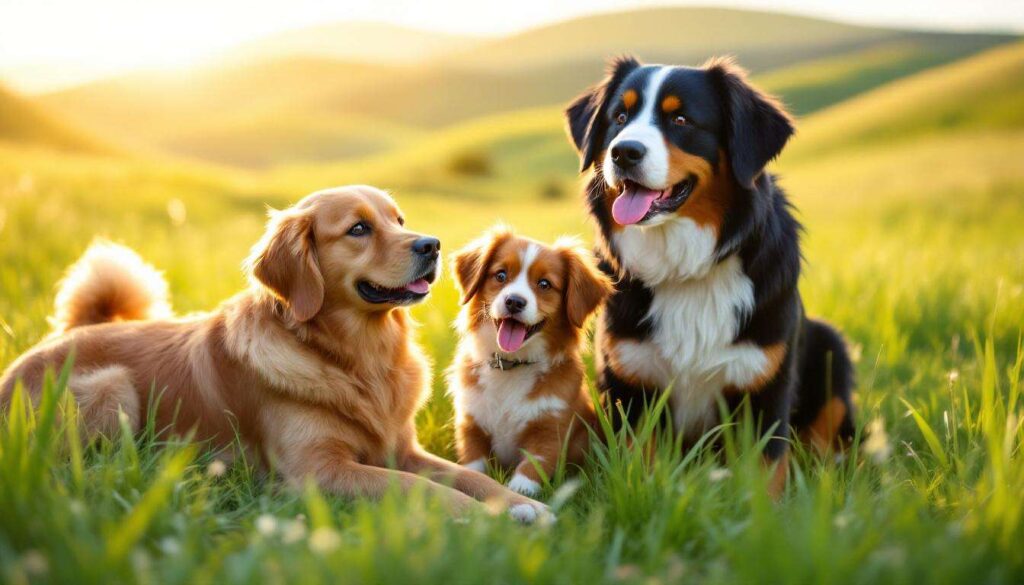
Dogs have long been celebrated as loyal companions, but not all breeds share the same temperament. When families seek a four-legged friend who will integrate seamlessly into their household, gentleness becomes a paramount consideration. Certified canine behaviourists have identified specific breeds that consistently demonstrate exceptional tenderness, making them ideal for homes with children, elderly individuals, or first-time dog owners. Understanding which breeds possess these qualities can help prospective pet parents make informed decisions that benefit both humans and animals alike.
Criteria for selecting gentle dog breeds
Temperament assessment by professionals
Certified canine behaviourists evaluate dog breeds based on scientifically validated temperament tests that measure reactions to various stimuli. These assessments examine how dogs respond to strangers, children, other animals, and unexpected situations. Professionals observe stress indicators, aggression thresholds, and recovery times after startling events. Breeds that consistently demonstrate calm demeanors, low reactivity, and quick emotional regulation earn recognition for their gentle nature.
Key characteristics of gentle breeds
Several defining traits distinguish exceptionally gentle dogs from their more excitable counterparts. These characteristics include:
- High tolerance for handling: gentle breeds accept physical contact from unfamiliar people without showing discomfort or defensive behaviors
- Predictable reactions: these dogs respond consistently to situations, reducing the risk of unexpected aggressive responses
- Natural patience: gentle breeds demonstrate remarkable forbearance with children’s unpredictable movements and vocalizations
- Social adaptability: they integrate well into various household compositions and adjust to changing family dynamics
- Low prey drive: minimal instinct to chase or harm smaller animals or moving objects
The role of breeding and socialization
While genetics establish a foundation for temperament, early socialization and responsible breeding practices significantly influence a dog’s gentleness. Reputable breeders prioritize temperament alongside physical characteristics, selecting parent dogs with proven gentle dispositions. Puppies exposed to diverse people, environments, and experiences during critical developmental periods typically develop into more balanced, gentle adults. This combination of genetic predisposition and environmental factors creates the ideal gentle companion.
With these criteria established, examining specific breeds that exemplify these qualities reveals why certain dogs have earned their reputation for exceptional gentleness.
The Labrador Retriever: affectionate and protective companion
Historical background and purpose
Originally bred in Newfoundland to assist fishermen, Labrador Retrievers developed their gentle mouths to retrieve fish without damaging them. This selective breeding for soft retrieval translated into an overall gentle disposition. Their history as working dogs alongside humans fostered a deep desire to please and cooperate, traits that remain central to the breed’s character today.
Temperament and family compatibility
Labrador Retrievers consistently rank among the most family-friendly breeds due to their remarkable patience with children. These dogs exhibit a natural protective instinct without aggression, making them excellent guardians who alert families to potential concerns while remaining approachable to welcomed guests. Their enthusiasm for life balances perfectly with their inherent gentleness, creating companions who engage joyfully in play while respecting boundaries.
| Trait | Rating (1-10) |
|---|---|
| Patience with children | 10 |
| Trainability | 9 |
| Energy level | 8 |
| Gentleness | 10 |
Care considerations
Despite their gentle nature, Labrador Retrievers require substantial exercise to maintain their emotional balance. Daily walks, swimming opportunities, and retrieving games channel their energy productively. Without adequate physical activity, even these gentle giants may develop unwanted behaviors. Their food motivation makes training straightforward, though it also necessitates careful portion control to prevent obesity.
Another breed shares many of these admirable qualities while bringing its own unique characteristics to the table.
The Golden Retriever: embodiment of gentleness and patience
Distinctive qualities of the breed
Golden Retrievers embody unconditional affection and possess an almost intuitive understanding of human emotions. Certified behaviourists note their exceptional ability to modulate energy levels according to their environment. A Golden Retriever will romp enthusiastically with active children, yet display remarkable calmness around infants or elderly individuals. This emotional intelligence distinguishes them as particularly gentle companions.
Therapeutic and service applications
The breed’s inherent gentleness has made Golden Retrievers the preferred choice for numerous service roles:
- Therapy dogs: their calming presence benefits hospital patients, nursing home residents, and individuals with anxiety disorders
- Guide dogs: their reliability and gentle guidance assist visually impaired individuals
- Emotional support animals: their empathetic nature provides comfort during psychological distress
- Autism assistance dogs: their patience and predictability help children with autism spectrum disorders navigate social situations
Social behavior and interaction
Golden Retrievers demonstrate exceptional friendliness toward strangers, other dogs, and even cats when properly introduced. Their lack of territorial aggression makes them poor guard dogs but excellent family companions. They thrive on human interaction and may experience separation anxiety if left alone for extended periods. This social dependency reflects their deep bond with family members and their desire to participate in all household activities.
While retrievers dominate discussions of gentle breeds, herding dogs also deserve recognition for their remarkable temperaments.
The Collie: intelligence and calming character
Heritage as a herding breed
Collies were developed to manage livestock with minimal aggression, using strategic positioning and eye contact rather than force. This breeding for gentle control created dogs with exceptional impulse control and measured responses. Their herding instinct translates into a protective nature toward family members, particularly children, whom they may gently guide away from perceived dangers.
Cognitive abilities and trainability
Ranked among the most intelligent dog breeds, Collies learn commands quickly and retain training long-term. Their cognitive abilities enable them to understand complex household rules and distinguish between appropriate and inappropriate situations for various behaviors. This intelligence, combined with their eagerness to please, makes them highly responsive to gentle training methods. Harsh corrections are unnecessary and counterproductive with this sensitive breed.
Temperament with children and other pets
Collies exhibit legendary patience with children, tolerating ear pulling, tail grabbing, and other inadvertent rough handling that would provoke reactions in less gentle breeds. They instinctively moderate their play intensity based on the size and age of their playmates. With other household pets, Collies typically assume a peaceful coexistence, though their herding instinct may manifest as circling behavior around smaller animals.
| Characteristic | Description |
|---|---|
| Vocalization | Moderate to high; alert barking |
| Grooming needs | High; regular brushing required |
| Exercise requirements | Moderate; daily walks sufficient |
| Adaptability | High; adjusts to various living situations |
Understanding why these breeds excel as gentle companions reveals broader advantages of selecting temperament-focused dogs.
The benefits of adopting a gentle breed dog
Enhanced family harmony
Gentle dogs create peaceful household environments where family members feel relaxed rather than vigilant. Children develop confidence around animals when interacting with patient, predictable dogs. Parents experience reduced stress knowing their dog poses minimal risk of aggressive incidents. This emotional security strengthens family bonds and allows everyone to enjoy pet ownership fully.
Simplified training and management
Dogs with gentle temperaments typically respond well to positive reinforcement training methods. Their natural desire to cooperate reduces the time and frustration involved in teaching basic obedience and household manners. First-time dog owners particularly benefit from breeds that forgive training mistakes and remain responsive despite inconsistent handling.
Positive community interactions
Gentle dogs facilitate positive social experiences during walks, veterinary visits, and public outings. Their friendly demeanor encourages neighbors to approach, creating opportunities for community connections. These dogs can safely attend family gatherings, outdoor events, and travel adventures without causing concern about unpredictable behavior.
Long-term relationship satisfaction
Owners of gentle breeds report higher satisfaction with their pet ownership experience. The absence of aggression-related stress allows deeper emotional bonds to form. These dogs become genuine family members rather than animals requiring constant management. The mutual trust that develops between gentle dogs and their families creates relationships that enrich both human and canine lives.
Successfully incorporating one of these gentle breeds into your home requires thoughtful preparation and consistent approach.
Tips for integrating a gentle dog into the family
Preparing the home environment
Before bringing a gentle breed home, create a safe, welcoming space designated specifically for the dog. This area should include a comfortable bed, water bowl, and toys. Remove potential hazards such as toxic plants, small objects that could be swallowed, and accessible electrical cords. Establish clear household rules regarding furniture access, sleeping arrangements, and feeding schedules before the dog arrives so all family members present consistent expectations.
Establishing routines and boundaries
Gentle dogs thrive on predictable routines that provide structure without rigidity. Implement consistent feeding times, walk schedules, and play sessions. While these breeds tolerate irregularity better than anxious breeds, routine helps them understand household expectations. Set boundaries gently but firmly, redirecting unwanted behaviors rather than punishing them. Even the gentlest dog needs clear communication about acceptable conduct.
Socialization and continued training
Despite their natural gentleness, these breeds benefit from ongoing socialization experiences:
- Puppy classes: structured environments teach appropriate play and basic commands
- Varied environments: exposure to different settings builds confidence and adaptability
- Diverse people: interactions with individuals of various ages, appearances, and mobility levels
- Other animals: supervised encounters with dogs and other species promote social skills
Meeting exercise and mental stimulation needs
Gentle temperament does not equate to low energy. These breeds require appropriate physical activity matched to their age, health status, and individual personality. Interactive toys, puzzle feeders, and training sessions provide mental stimulation that prevents boredom-related behaviors. A well-exercised gentle dog is a content companion who can relax calmly during family downtime.
The three breeds highlighted by certified canine behaviourists represent exceptional choices for families seeking gentle companions. Labrador Retrievers bring protective affection, Golden Retrievers offer intuitive empathy, and Collies provide intelligent calmness. Each breed demonstrates the patience, predictability, and adaptability that define truly gentle dogs. Selecting a dog based on temperament rather than appearance alone increases the likelihood of a harmonious, lasting relationship. With proper preparation, consistent training, and attention to their physical and emotional needs, these gentle breeds become cherished family members who enrich daily life through their remarkable capacity for unconditional love and unwavering gentleness.