



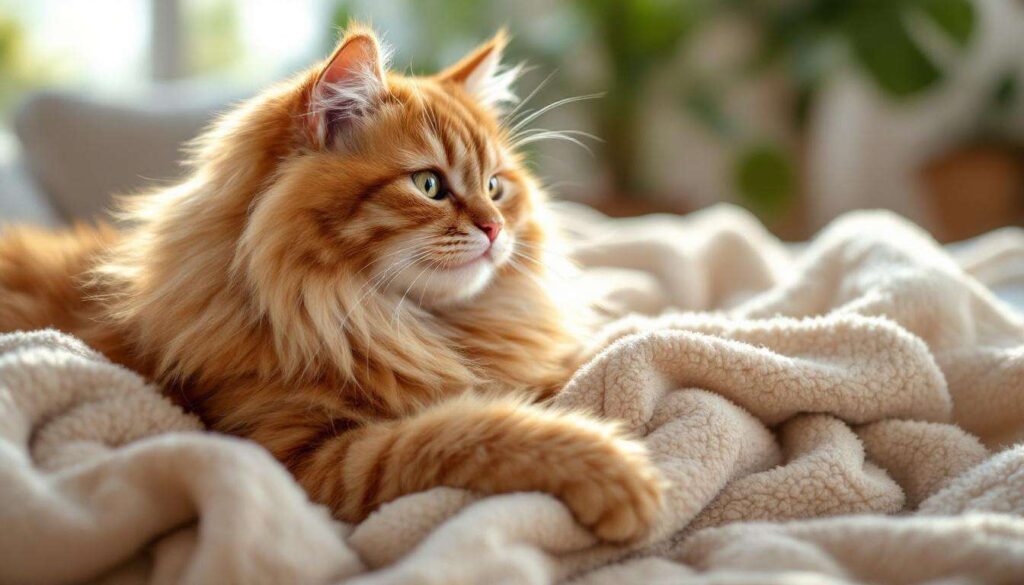
Every cat owner has experienced that peculiar moment when their feline companion begins rhythmically pushing their paws against a soft surface, alternating between left and right in a mesmerizing pattern. This behavior, commonly known as kneading, represents one of the most endearing yet mysterious aspects of cat behavior. While it may seem like a simple quirk, veterinary professionals across Australia have been working to help pet owners understand the deeper significance of this instinctive action. Recognizing what drives this behavior can strengthen the bond between cats and their human companions while ensuring optimal feline welfare.
Understanding the behavior of kneading in cats
What kneading looks like
Kneading manifests as a repetitive pushing motion where cats press their front paws alternately into soft surfaces such as blankets, pillows, or even their owner’s lap. The movement closely resembles the action of kneading dough, which is how this behavior earned its name. During this activity, cats often extend and retract their claws in rhythm with the paw movements, creating a distinctive pattern that most cat owners instantly recognize.
Common contexts for kneading
Cats typically engage in kneading behavior during moments of contentment and relaxation. The most frequent scenarios include:
- Settling down on a comfortable surface before sleep
- Sitting on their owner’s lap during bonding moments
- Encountering particularly soft fabrics like fleece or wool
- Nursing or feeding time for kittens
- Moments of heightened affection or security
Many cats also accompany their kneading with purring, drooling, or a glazed expression, indicating a state of deep relaxation. Understanding these contexts helps owners recognize when their cats feel most secure and comfortable.
These observable patterns provide important clues about the deeper origins of this behavior, which trace back to the earliest stages of feline development.
The evolutionary reasons for kneading
Origins in kittenhood
The primary evolutionary explanation for kneading stems from nursing behavior in kittens. Newborn kittens instinctively knead their mother’s mammary glands to stimulate milk flow during feeding. This rhythmic pressing action creates a positive association with comfort, nourishment, and maternal care that persists throughout a cat’s life. Even after weaning, many cats retain this behavior as a self-soothing mechanism that recalls the security of their earliest experiences.
Territorial marking through scent glands
Beyond its nursing origins, kneading serves an important territorial function. Cats possess scent glands in the soft pads of their paws, and the kneading motion helps deposit their unique scent onto surfaces. This behavior allows cats to:
- Mark their territory in a subtle, non-aggressive manner
- Create familiar scent markers in their environment
- Establish ownership over preferred resting spots
- Communicate their presence to other animals
Preparing sleeping areas
Wild feline ancestors engaged in similar behaviors to create comfortable resting spots by patting down grass, leaves, or other natural materials. This instinct remains encoded in domestic cats, who knead soft surfaces to prepare an ideal sleeping environment, even though modern cushions require no such preparation.
These evolutionary foundations inform how veterinary professionals interpret and advise on this common feline behavior.
Australian veterinarians’ views on kneading
Professional consensus on normalcy
Veterinary professionals throughout Australia consistently emphasize that kneading represents completely normal and healthy behavior in cats. Dr. Sarah Mitchell from the Australian Veterinary Association notes that this action should be viewed as a positive indicator of a cat’s emotional state rather than a concern requiring intervention. The behavior demonstrates that a cat feels safe, secure, and content in its environment.
When kneading might signal concerns
While kneading itself is benign, Australian vets advise owners to monitor certain aspects:
| Observation | Potential Concern | Recommended Action |
|---|---|---|
| Excessive kneading with distress signs | Anxiety or stress | Consult veterinarian |
| Sudden cessation of usual kneading | Pain or discomfort | Physical examination |
| Kneading accompanied by aggression | Behavioral issue | Behavioral assessment |
| Overly sharp claws causing injury | Nail maintenance needed | Regular trimming |
These professional insights help owners distinguish between normal behavior and situations requiring veterinary attention, which directly impacts how they should approach their cat’s overall care.
Implications for cat welfare
Emotional health indicators
The presence of kneading behavior serves as a valuable barometer for feline emotional wellbeing. Cats who regularly knead typically experience appropriate levels of comfort and security in their home environment. This behavior suggests that owners are successfully meeting their cat’s psychological and physical needs, creating conditions where the animal feels relaxed enough to engage in vulnerable, instinctive behaviors.
Environmental enrichment considerations
Understanding kneading’s connection to comfort allows owners to optimize their cat’s living space. Providing appropriate outlets for this behavior contributes to overall welfare:
- Offering designated soft blankets or beds for kneading
- Creating quiet, secure spaces where cats feel safe
- Maintaining consistent routines that promote security
- Ensuring adequate bonding time with human companions
The role of early socialization
Kittens who experience positive early socialization and adequate nursing time often develop healthier kneading patterns as adults. This connection underscores the importance of allowing kittens to remain with their mothers for appropriate developmental periods, typically at least eight to twelve weeks.
These welfare considerations naturally lead to practical questions about how owners should respond when their cats engage in this behavior.
How to react when your cat kneads
Encouraging positive interactions
When a cat kneads on your lap, the most appropriate response involves acknowledging and accepting the behavior as a sign of affection and trust. Veterinarians recommend:
- Remaining calm and still to maintain the cat’s sense of security
- Gently petting or speaking softly to reinforce the positive experience
- Allowing the behavior to continue naturally without interruption
- Recognizing the gesture as a compliment and bonding opportunity
Managing sharp claws
The primary challenge with kneading involves sharp claws that may puncture skin or damage fabrics. Practical solutions include:
- Placing a thick blanket on your lap before allowing your cat to settle
- Maintaining regular nail trimming schedules
- Using nail caps as a humane alternative to declawing
- Gently redirecting your cat to appropriate kneading surfaces
What to avoid
Certain reactions can damage the trust between cat and owner. Never punish, yell at, or roughly push away a kneading cat, as this behavior represents vulnerability and affection. Such negative responses may cause anxiety and erode the bond you share with your pet.
Recognizing kneading as part of a broader behavioral repertoire helps owners appreciate the full complexity of feline communication.
Typical feline behaviors associated with kneading
Purring and vocalizations
Kneading frequently occurs alongside purring, creating a multisensory expression of contentment. Some cats also emit soft chirps or trills while kneading, further indicating their relaxed emotional state. This combination of behaviors represents one of the most reliable indicators that a cat feels completely at ease.
Drooling during kneading sessions
Many cats produce small amounts of saliva while kneading, a phenomenon that often concerns first-time cat owners. This drooling actually represents an extreme state of relaxation, harking back to the nursing response when kittens would salivate in anticipation of feeding. Unless excessive or accompanied by other symptoms, this behavior requires no intervention.
Suckling behavior
Some cats, particularly those weaned early, combine kneading with suckling on blankets, clothing, or even their owner’s skin. This behavior represents a more pronounced retention of kitten nursing behaviors. While generally harmless, owners should ensure cats don’t ingest fabric fibers and may need to provide appropriate alternatives.
Slow blinks and relaxed posture
Cats engaged in kneading often display additional signs of comfort:
- Half-closed eyes or slow blinking patterns
- Relaxed ear position pointing slightly outward
- Loose, comfortable body posture
- Soft, fluid tail movements
These accompanying behaviors create a comprehensive picture of feline contentment that owners can learn to recognize and appreciate.
Understanding kneading as an instinctive behavior rooted in both evolutionary history and individual development allows cat owners to respond appropriately to this common feline action. Australian veterinary professionals emphasize that kneading represents a positive indicator of emotional wellbeing, demonstrating that a cat feels secure and content in its environment. Rather than discouraging this behavior, owners should embrace it as a form of communication and bonding while taking practical steps to manage sharp claws. By recognizing kneading within the broader context of feline behavior patterns, including purring, drooling, and relaxed body language, owners can better interpret their cat’s emotional state and strengthen the human-animal bond. This instinctive action, passed down through generations of felines, serves as a reminder that even the most domesticated cats retain connections to their evolutionary past while expressing trust and affection in their modern homes.