



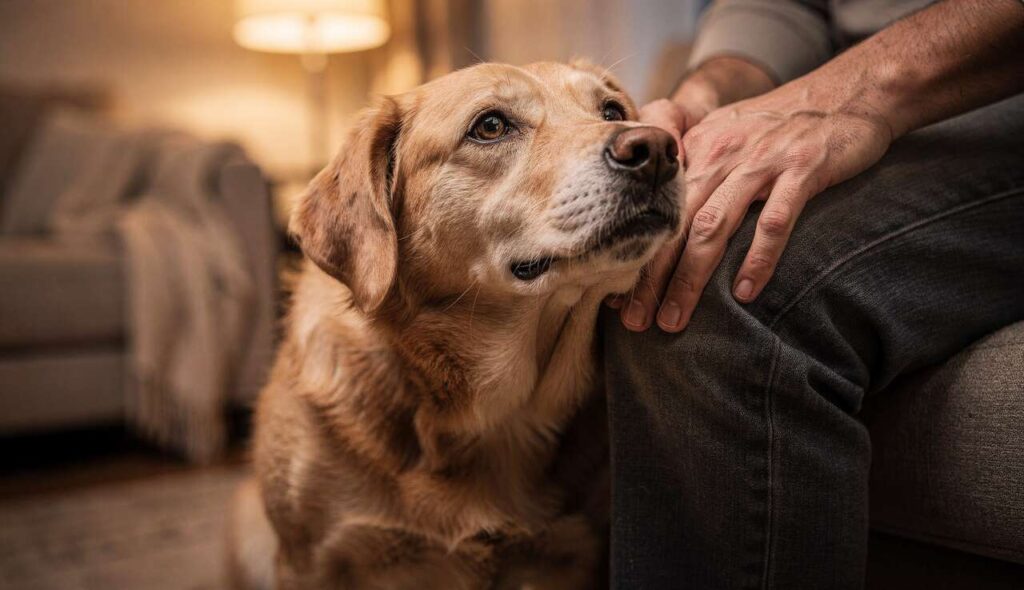
Dogs have developed countless ways to communicate with their human companions, and one of the most common yet often misunderstood behaviors is leaning. When your furry friend presses their body weight against your legs or side, this seemingly simple gesture carries deeper meaning than many pet owners realize. Animal behaviorists have studied this phenomenon extensively, revealing that canine leaning serves multiple purposes ranging from affection to anxiety. Understanding what your dog is trying to tell you through this physical contact can significantly enhance your relationship and help you respond appropriately to their needs. Whether your dog leans during quiet moments on the couch or seeks contact in unfamiliar environments, recognizing the context and accompanying signals provides valuable insight into their emotional state.
Canine behavior analysis: the basics
Understanding how dogs communicate
Dogs rely primarily on body language and physical contact to express their feelings and intentions. Unlike humans who depend heavily on verbal communication, canines have evolved a sophisticated system of non-verbal signals that include posture, tail position, ear placement, and tactile behaviors. Leaning represents one form of this tactile communication, allowing dogs to convey messages through direct physical connection with their owners or other dogs.
Animal behaviorists emphasize that interpreting any single behavior requires examining the complete context. The same action can mean different things depending on:
- The environment where the behavior occurs
- Other body language signals displayed simultaneously
- The dog’s individual personality and history
- Recent events or changes in routine
- The presence of other animals or people
The role of domestication in physical contact
Thousands of years of domestication have shaped how dogs interact with humans. Modern dogs have developed behaviors specifically designed to communicate with people, many of which their wolf ancestors never displayed. Physical contact serves as a bridge between species, allowing dogs to form bonds that extend beyond pack dynamics. Research shows that dogs who maintain close physical proximity to their owners often experience reduced stress levels and increased feelings of security, making leaning a mutually beneficial behavior that strengthens the human-animal bond.
This foundation in canine communication sets the stage for exploring the specific motivations behind why dogs choose to lean against their owners.
Reasons why a dog leans against its owner
Affection and bonding
The most common reason dogs lean against their owners is pure affection. This behavior represents their version of a hug, a way to express love and strengthen the emotional connection. Dogs are pack animals by nature, and physical closeness reinforces social bonds within the group. When your dog leans against you while relaxing, they’re essentially saying they trust you and enjoy your company. This type of leaning typically occurs in calm environments and is accompanied by relaxed body language, soft eyes, and sometimes contented sighing.
Seeking security and comfort
Dogs often lean against their owners when feeling uncertain or anxious. This behavior provides them with reassurance and a sense of safety. Your presence acts as a security blanket, and physical contact helps calm their nerves. Common situations that trigger security-seeking leaning include:
- Thunderstorms or fireworks
- Visits to the veterinarian
- Encounters with unfamiliar people or animals
- New environments or situations
- Loud or unexpected noises
Attention-seeking behavior
Some dogs learn that leaning effectively captures their owner’s attention. If you consistently respond to leaning by petting, talking to, or otherwise engaging with your dog, they may use this strategy whenever they want interaction. This isn’t manipulation but rather learned behavior based on positive reinforcement. Dogs are intelligent creatures who quickly identify which actions produce desired results.
Claiming ownership and displaying confidence
In certain contexts, leaning can represent a confident assertion of ownership or dominance. Some dogs lean against their owners in the presence of other people or animals as a way of saying “this is my person.” This behavior differs from affectionate leaning in that it often includes more rigid body posture and alert facial expressions. However, modern animal behaviorists generally downplay dominance theories in favor of understanding these behaviors as resource guarding or preference displays.
Understanding these various motivations helps owners recognize that context matters tremendously when interpreting their dog’s behavior.
Body language: understanding your dog’s signals
Accompanying physical cues to observe
Leaning never occurs in isolation from other body language signals. Observing your dog’s complete physical presentation provides crucial context for interpretation. The following table outlines key indicators that help distinguish between different types of leaning:
| Body Part | Relaxed/Affectionate Leaning | Anxious/Fearful Leaning |
|---|---|---|
| Tail | Gentle wagging or relaxed position | Tucked between legs or low |
| Ears | Natural position or slightly forward | Pinned back against head |
| Eyes | Soft, relaxed, normal pupil size | Wide, showing whites, dilated pupils |
| Mouth | Closed or slightly open, relaxed | Panting, lip licking, yawning |
| Body | Loose muscles, comfortable weight distribution | Tense muscles, trembling, weight shifted back |
Vocalizations and breathing patterns
Sound cues complement visual body language when interpreting leaning behavior. A dog leaning for affection might emit soft sighs or contented groans, while an anxious dog may whine, whimper, or breathe rapidly. Paying attention to these auditory signals provides additional layers of understanding about your dog’s emotional state. Some dogs remain completely silent regardless of their motivation for leaning, making visual cues even more important for these individuals.
Recognizing these signals allows owners to better understand the emotional benefits their dogs derive from leaning behaviors.
Emotional benefits for the dog
Stress reduction and calming effects
Physical contact between dogs and their owners triggers the release of oxytocin in both species. This hormone, often called the “love hormone,” promotes bonding and reduces stress. When a dog leans against their owner, their heart rate typically decreases, breathing becomes more regular, and cortisol levels drop. This physiological response demonstrates that leaning provides genuine emotional comfort beyond simple behavioral patterns.
Confidence building through connection
For dogs struggling with anxiety or fear-based behaviors, leaning against a trusted owner can help build confidence over time. The security provided by physical contact allows them to face challenging situations with greater resilience. This support system encourages gradual desensitization to stressors while maintaining an emotional safety net. Dogs who receive appropriate responses to their leaning behavior often develop stronger coping mechanisms and improved overall emotional regulation.
Fulfilling social needs
As pack animals, dogs have inherent social requirements that must be met for optimal wellbeing. Leaning satisfies these needs by:
- Reinforcing pack membership and belonging
- Providing tactile stimulation and comfort
- Strengthening trust between dog and owner
- Creating opportunities for positive interaction
- Reducing feelings of isolation or loneliness
While leaning typically indicates positive emotional states, certain circumstances require closer attention to ensure your dog isn’t experiencing distress.
When leaning can indicate discomfort
Signs of anxiety or fear
Excessive or compulsive leaning may signal underlying anxiety issues that require intervention. If your dog constantly seeks physical contact, refuses to be independent, or shows panic when unable to lean against you, they may be experiencing separation anxiety or generalized anxiety disorder. These conditions require professional assessment and treatment rather than simple behavioral modification at home.
Physical pain or illness
Sometimes dogs lean against their owners because they feel physically unwell or are experiencing pain. A dog with joint problems, muscle soreness, or internal discomfort might seek support by leaning. Watch for additional symptoms such as:
- Limping or favoring certain legs
- Reluctance to move or exercise
- Changes in appetite or drinking habits
- Unusual vocalizations when touched
- Altered sleeping patterns or restlessness
Balance or neurological issues
In some cases, leaning results from balance problems or neurological conditions. Older dogs may develop vestibular disease, which affects equilibrium and causes them to lean for physical support rather than emotional comfort. If your dog suddenly begins leaning more frequently, especially if accompanied by head tilting, circling, or difficulty walking, veterinary evaluation becomes essential to rule out medical causes.
Recognizing when leaning indicates problems rather than affection helps owners provide appropriate care while also strengthening their overall relationship with their pets.
Tips to strengthen the bond with your pet
Responding appropriately to leaning behavior
How you respond to your dog’s leaning significantly impacts your relationship. Acknowledge affectionate leaning with gentle petting or calm verbal praise, reinforcing the positive connection. For anxiety-based leaning, provide reassurance without excessive coddling, which can inadvertently reinforce fearful behavior. Strike a balance between offering comfort and encouraging independence to promote healthy emotional development.
Creating positive physical contact opportunities
Beyond responding to your dog’s initiated contact, actively create opportunities for bonding through:
- Regular grooming sessions that involve gentle touch
- Massage or gentle petting during quiet times
- Sitting together during relaxation periods
- Incorporating touch into training sessions as rewards
- Allowing your dog to rest near you without demanding interaction
Building confidence through training and socialization
Well-trained, properly socialized dogs typically display healthier leaning behaviors. Invest time in positive reinforcement training that builds your dog’s confidence and communication skills. Expose them to various environments, people, and situations gradually, always providing support when needed but encouraging brave exploration. This approach creates a secure attachment style where your dog feels comfortable seeking contact without becoming overly dependent.
Recognizing individual personality differences
Not all dogs lean with the same frequency or intensity. Some breeds and individual personalities naturally seek more physical contact than others. Respect your dog’s unique communication style rather than expecting them to conform to generalized patterns. A dog who rarely leans isn’t necessarily less bonded to you; they may simply express affection through different behaviors like following you around, bringing toys, or maintaining visual contact.
Understanding your dog’s leaning behavior represents just one aspect of the complex, rewarding relationship between humans and their canine companions. Animal behaviorists confirm that this simple gesture carries significant meaning, whether expressing affection, seeking comfort, or occasionally indicating concern. By observing the complete context including body language, environmental factors, and individual personality, owners can accurately interpret what their dogs communicate through leaning. This knowledge strengthens bonds, improves responsiveness to canine needs, and enhances the overall quality of life for both species. When your dog leans against you, they’re offering trust, seeking connection, and reinforcing the special relationship that makes dog ownership so fulfilling. Responding with understanding and appropriate care ensures this behavior continues to serve its intended purpose: bringing you closer together.