



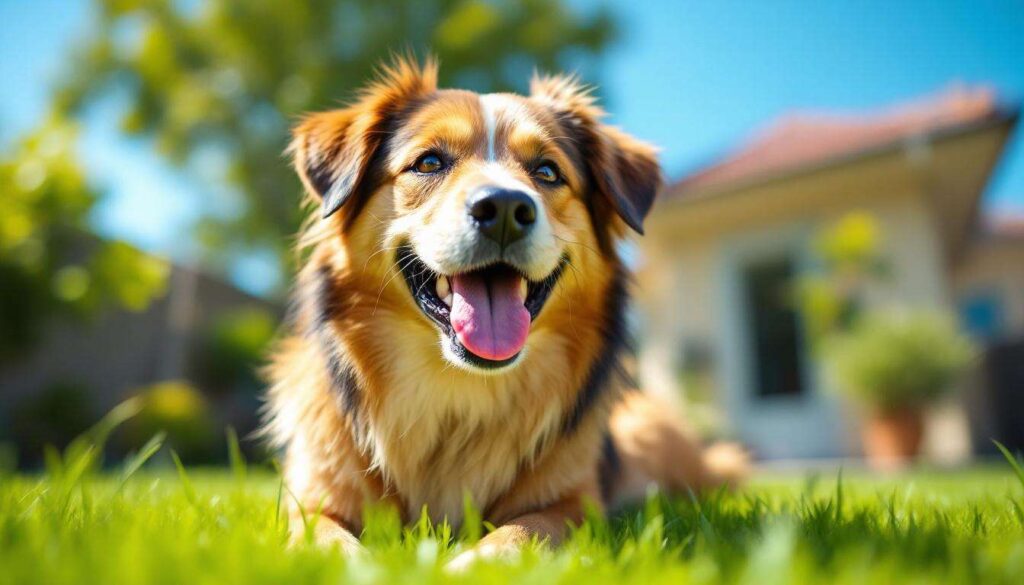
Australian summers bring scorching temperatures that pose serious risks to canine companions. Emergency veterinary clinics across the country report a significant surge in heat-related cases during the warmer months, with many incidents stemming from a single preventable mistake: underestimating the impact of extreme heat on dogs. Understanding these dangers and taking appropriate precautions can mean the difference between a pleasant summer outing and a life-threatening emergency for your beloved pet.
The dangers of dehydration in dogs during summer
How quickly dehydration develops in hot weather
Dogs lose moisture through panting, which serves as their primary cooling mechanism. Unlike humans who sweat through their skin, canines rely almost entirely on evaporative cooling through their respiratory system. During hot Australian summers, this process accelerates dramatically, causing rapid fluid loss that can lead to dehydration within hours or even minutes in extreme conditions.
Several factors influence how quickly a dog becomes dehydrated:
- Ambient temperature and humidity levels
- Duration of sun exposure
- Physical activity intensity
- Access to shade and water
- Individual dog characteristics such as age, breed, and health status
Vulnerable breeds and risk factors
Brachycephalic breeds face particularly high risks during summer. Dogs with flat faces, including bulldogs, pugs, and boxers, struggle with efficient heat dissipation due to their compressed airways. Senior dogs and puppies also have compromised thermoregulation systems, making them more susceptible to heat-related complications.
| Risk Category | Examples | Vulnerability Level |
|---|---|---|
| Brachycephalic breeds | Bulldogs, pugs, Boston terriers | Very high |
| Double-coated breeds | Huskies, malamutes, chow chows | High |
| Senior dogs | Dogs over 7 years | High |
| Overweight dogs | Any breed above ideal weight | Moderate to high |
The combination of high temperatures and insufficient hydration creates a dangerous cascade of physiological problems. Dehydration thickens the blood, forcing the heart to work harder while simultaneously reducing the body’s ability to cool itself. This vicious cycle can rapidly progress to heatstroke, organ failure, and death if left unaddressed.
Recognizing the warning signs early becomes crucial for preventing these dangerous situations from escalating into medical emergencies.
Symptoms to watch for in case of heatstroke
Early warning signs
The initial symptoms of heat distress often appear subtle but progress rapidly. Excessive panting and increased drooling typically manifest first, indicating that your dog is struggling to regulate body temperature. Pet owners should remain vigilant for these early indicators:
- Rapid, shallow breathing
- Excessive salivation or thick, ropy drool
- Bright red gums and tongue
- Restlessness or anxiety
- Seeking cool surfaces or shade
Advanced symptoms requiring immediate action
As heatstroke progresses, symptoms become more severe and life-threatening. Veterinary intervention becomes critical once these advanced signs appear. Dogs experiencing severe heat distress may exhibit:
- Vomiting or diarrhea, sometimes with blood
- Weakness or collapse
- Disorientation or stumbling
- Seizures or muscle tremors
- Loss of consciousness
- Pale or blue-tinged gums
Body temperature exceeding 40°C (104°F) indicates a medical emergency. At this point, internal organs begin suffering damage, with the brain, kidneys, and liver particularly vulnerable. Without immediate cooling and veterinary care, permanent organ damage or death can occur within minutes.
Understanding how to respond appropriately when these symptoms appear can save your dog’s life.
First aid for dogs in distress
Immediate cooling techniques
When heatstroke symptoms appear, rapid cooling is essential but must be done correctly. Many well-intentioned owners make the mistake of using ice-cold water, which can actually worsen the situation by causing blood vessels to constrict and trapping heat inside the body. Instead, use lukewarm or cool water applied strategically:
- Move the dog to a shaded or air-conditioned area immediately
- Apply cool (not cold) water to the belly, paws, and inner thighs
- Place wet towels on these areas, replacing them frequently
- Direct a fan toward the dog to enhance evaporative cooling
- Offer small amounts of cool water to drink if the dog is conscious
When to seek veterinary care
Even if your dog appears to recover after cooling measures, veterinary assessment remains crucial. Internal damage may not be immediately apparent, and delayed complications can prove fatal. Contact your veterinarian or emergency clinic while implementing cooling measures, and transport your dog as soon as possible.
During transport, continue cooling efforts by keeping windows open for air circulation and maintaining damp towels on cooling points. Never leave a heat-stressed dog unattended, as their condition can deteriorate rapidly.
Preventing these emergencies requires understanding and avoiding the common mistakes that lead dogs into dangerous situations.
Common mistakes to avoid during summer walks
The hot pavement problem
The most prevalent mistake sending Australian dogs to emergency clinics involves walking them on scorching pavement. Asphalt and concrete can reach temperatures 40-60°C higher than the air temperature, causing severe burns to paw pads within seconds. A simple test: if you cannot comfortably hold your bare hand on the pavement for seven seconds, it is too hot for your dog’s paws.
Timing and duration errors
Many owners underestimate how quickly heat affects their pets, maintaining normal walking schedules despite dangerous temperatures. The intensity of Australian summer sun makes midday walks particularly hazardous. Consider these timing guidelines:
| Time of Day | Safety Level | Recommended Duration |
|---|---|---|
| Before 8 AM | Safe | Normal walk length |
| 10 AM – 4 PM | Dangerous | Avoid outdoor activity |
| After 6 PM | Moderate to safe | Shortened walk, monitor closely |
Inadequate water provision
Assuming that a single water bowl before departure suffices represents another critical error. Dogs require continuous access to fresh water during summer outings. Carry a portable water bottle and collapsible bowl, offering water every 15-20 minutes during walks, even if your dog does not appear thirsty.
Implementing protective strategies transforms summer from a season of danger into one of safe enjoyment for your canine companion.
Tips for protecting your dog during heatwaves
Environmental modifications
Creating a cool environment helps dogs maintain safe body temperatures during extreme heat. Indoor climate control becomes essential during heatwaves, but not all homes have air conditioning. Alternative cooling strategies include:
- Setting up fans to circulate air throughout the house
- Closing curtains and blinds during peak sun hours
- Providing cooling mats or damp towels for dogs to lie on
- Creating shaded outdoor areas with proper ventilation
- Offering frozen treats like ice cubes or frozen broth
Exercise alternatives
Physical activity remains important for canine health, but summer demands modified approaches. Indoor play sessions, swimming in dog-safe pools, and mental stimulation through puzzle toys provide exercise without heat exposure. Early morning or late evening walks on grass rather than pavement offer safer alternatives to midday outings.
Grooming considerations
While trimming excess fur helps some breeds stay cool, never shave double-coated breeds completely. Their coat actually provides insulation against heat and protects skin from sunburn. Consult a professional groomer about appropriate summer cuts for your dog’s specific breed and coat type.
Maintaining these protective measures works best alongside proper hydration practices and professional veterinary oversight.
The importance of hydration and regular vet visits
Establishing proper hydration habits
Adequate water intake forms the foundation of summer safety for dogs. Fresh, cool water should be available at all times, with multiple water stations throughout the house and yard. Change water frequently to keep it cool and appealing, and clean bowls daily to prevent bacterial growth.
Monitor your dog’s water consumption, as changes in drinking patterns can indicate health problems. Increased thirst may signal dehydration or underlying conditions, while decreased drinking despite hot weather suggests potential illness requiring veterinary attention.
Pre-summer veterinary assessments
Annual check-ups become particularly crucial before summer arrives. Your veterinarian can identify risk factors that increase heat vulnerability, such as heart conditions, respiratory problems, or obesity. These assessments allow for proactive management strategies tailored to your dog’s specific needs.
Ongoing monitoring and care
Regular veterinary visits throughout summer help catch developing problems early. Dogs with pre-existing conditions may require medication adjustments or additional precautions during hot weather. Maintaining open communication with your veterinary team ensures optimal care and provides access to professional advice when concerns arise.
Australian summer heat poses genuine threats to canine health, but awareness and preparation dramatically reduce risks. By recognizing dehydration dangers, identifying heatstroke symptoms, knowing appropriate first aid responses, avoiding common mistakes, implementing protective strategies, and maintaining proper hydration with veterinary oversight, pet owners can keep their dogs safe throughout the hottest months. The common mistake of underestimating heat’s impact sends countless dogs to emergency clinics annually, yet simple precautions prevent most incidents. Taking these measures seriously protects your companion from becoming another preventable summer emergency statistic.